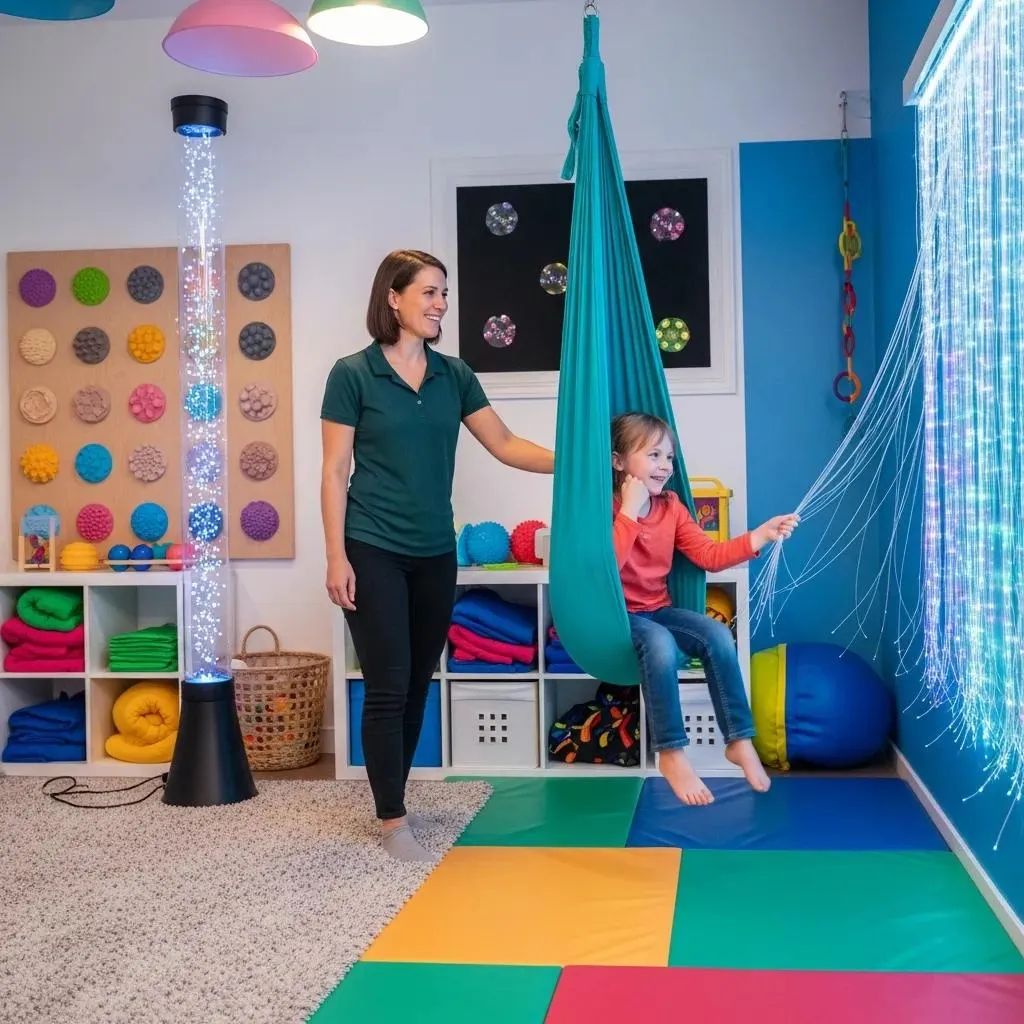

Occupational therapy plays a vital role in helping Tampa Bay children grow, learn, and feel confident in daily life. When parents understand how occupational therapy helps children, it becomes easier to see how small steps in treatment can lead to significant changes at home and school. Many families begin their journey by simply asking questions and learning what support might help their child thrive.
In our Tampa and Brandon Skill Point Therapy offices—and in many other pediatric therapy centers that use the DIRFloortime approach—children learn through connection, play, and meaningful relationships. Therapy sessions help children stay calm, follow routines, and build skills they use every day. Parents who search for “occupational therapy near me” often want a clear picture of what therapy looks like, and we are here to guide them in a warm, supportive way.
There are many reasons a parent might consider pediatric OT, and the top four include sensory challenges, autism, developmental delays, and delays in fine motor skills or daily routines like dressing or feeding. Social skills and self-regulation are also common areas where children may need extra help. Research shows that early identification and early therapy lead to the strongest long-term results, which is why it’s always a good idea to talk with a pediatric OT—to get their thoughts and understand what your child may need.
Key Takeaways
- Occupational therapy enhances sensory processing, promoting engagement in daily activities and helping children thrive at home and school.
- Tailored interventions build fine motor skills, fostering independence in tasks like dressing and eating, which are crucial for children’s development.
- Group-based therapy sessions improve social skills and emotional regulation, boosting confidence in social interactions and self-expression.
- Early identification of developmental delays through occupational therapy enables timely interventions that maximize growth and neuroplasticity.
- Monitoring progress and celebrating milestones boosts self-esteem, creates a supportive community for families, and encourages continued commitment to therapy.
Understanding Sensory Processing Benefits
How can understanding sensory processing benefits transform a child’s daily experiences? Through occupational therapy for kids in Tampa, children learn to process and respond to sensory input more effectively, enhancing their daily functioning. Tailored sensory experiences, offered in sensory-rich environments, encourage engagement and motivation while helping children develop sensory modulation and adaptive responses.
Activities like swinging, jumping, and tactile play challenge their sensory processing abilities in a fun and safe manner. As children grow skilled at managing sensory stimuli, their self-regulation improves, reducing anxiety and promoting stability across settings, including home and school. This thorough sensory and motor skills support in Tampa fosters greater participation in community activities, enabling children to thrive in their everyday lives.
Effective interventions are crucial for addressing the challenges posed by sensory processing difficulties, ensuring that each child can reach their full potential. Additionally, a well-structured sensory diet can provide ongoing support as children’s sensory needs evolve, and personalized sensory diets are essential for improving self-regulation and emotional balance.
Enhancing Social and Emotional Development
Many children face challenges in social and emotional development, which can significantly affect their relationships and daily interactions. Occupational therapy, particularly through pediatric OT in Tampa Bay, offers effective interventions to improve social skills. Group-based OT sessions have shown measurable progress in children’s social performance.
Engaging parents in the process further promotes satisfaction and success. Through playful, interactive methods, children can improve their expressive regulation and learn crucial social-emotional skills such as empathy and cooperation.
Additionally, addressing sensory processing issues early on can bolster expressive stability and social comfort. Implementing sensory integration techniques can improve children’s self-regulation, enhancing their ability to engage socially. With consistent support from occupational therapy near me for kids, families can create environments that will improve their children’s development, leading to healthier relationships and a more fulfilling social life.
Evidence shows that occupational therapy interventions can significantly improve student performance in the school environment, demonstrating the value of early and consistent OT support. Pediatric OTs utilize early intervention strategies to identify social development delays, ensuring that children receive the support they need as early as possible.
Building Fine Motor Skills for Independence

Building fine motor skills is essential for children’s independence in everyday tasks. Targeted skill-building activities, along with adaptive tools and strategies, can significantly improve their ability to dress, eat, and engage in academic activities. By focusing on these areas, occupational therapy provides practical solutions that help children thrive at home and in school.
Strengthening fine motor skills through engaging activities not only enhances their confidence but also fosters creativity in various tasks. Regular practice of these skills is crucial to prevent developmental delays and support a child’s overall growth. Engaging in activities such as container play allows children to refine their dexterity while learning about cause and effect.
Targeted Skill-Building Activities
Developing fine motor skills is vital for fostering independence in children as they navigate daily tasks. Engaging in targeted skill-building activities can significantly improve these abilities. Play-based approaches, such as building with blocks, stringing beads, and utilizing playdough, promote hand strength and coordination while offering creative exploration.
Activities like tracing and coloring enhance hand-eye coordination and writing readiness. Furthermore, early intervention in fine motor skill development can lead to better overall outcomes for children. Pediatric occupational therapists use personalized therapy plans to address specific developmental needs effectively.
Parents seeking support in these areas may consider options such as “OT for school readiness Tampa” to find local resources.
Additionally, searching for “who does a pediatric OT do near me” can connect families with professionals who can guide tailored activities that enable children. These practical strategies nurture fundamental skills for independence and overall achievement in daily life. Fine motor skills play a crucial role in performing self-care tasks, such as buttoning shirts and using utensils, underscoring the importance of developing these abilities early.
Adaptive Tools and Strategies
Adaptive tools and strategies play a vital role in supporting children’s fine motor skill development, ultimately enhancing their independence in everyday tasks. Tools such as pencil grips, weighted utensils, and adapted scissors provide critical support for writing and cutting, promoting precision and control. Incorporating slanted writing surfaces and ergonomic desks can stabilize the upper limb and improve hand movements.
Specialized utensils facilitate self-feeding, fostering autonomy in daily activities. Sensory activities, like using playdough and textured materials, strengthen hand muscles and improve dexterity. By tailoring adaptive strategies to personal needs and involving parents in the process, children can experience significant progress.
These adaptations create an inclusive environment that nurtures the acquisition and engagement of fine motor skills, allowing every child to thrive. Engaging in fine-motor activities, such as playdough, not only enhances grip strength but also contributes to greater enjoyment of writing tasks. Additionally, task-oriented interventions have been shown to boost fine motor skills, further supporting children’s independence in writing and other activities.
The Importance of Early Identification
Recognizing developmental delays early is essential, as timely identification can significantly improve a child’s potential for growth and success. Conditions such as autism can be diagnosed by 24 months, emphasizing the need for continuous developmental surveillance. Unfortunately, many children—especially those from underserved communities—do not receive necessary screenings, with less than half qualifying for intervention services.
Occupational therapists play a key role in early detection, educating caregivers and community health professionals to facilitate developmental monitoring. By promptly identifying delays, therapists can guide families toward effective interventions, fostering improvements in academic performance and social skills.
Additionally, early screening for cerebral palsy is crucial when it comes to accessing rehabilitation services effectively. Equipping families with knowledge and resources greatly enhances a child’s quality of life, underlining the importance of early identification in nurturing future achievements. Early intervention maximizes neuroplasticity during foundational years of development, significantly improving long-term outcomes.
Play-Based Therapy for Skill Development

Early identification of developmental delays sets the stage for effective interventions that foster skill development through engaging methods. Play-based therapy is a crucial approach that utilizes enjoyable activities to improve children’s motor skills, cognitive abilities, and social-emotional development, making therapy both fun and impactful.
- Activities like climbing and crawling build strength and coordination, playfully promoting motor skills.
- Board games improve problem-solving and patience.
- Pretend play nurtures communication and emotional expression.
- Puzzles refine visual skills and perseverance.
- Structured play boosts independence in daily tasks.
Through tailored interventions, therapists promote meaningful growth while keeping children engaged. This dynamic approach not only supports developmental milestones but also equips children to thrive across diverse settings.
Self-Care Skills and Independence Strategies
Many children face challenges in acquiring self-care skills, which are vital for their independence and thorough development. Occupational therapists support children in mastering tasks such as dressing, eating, and personal hygiene by implementing adaptive strategies and tailored routines. These skillsets improve focus and participation in academic environments.
Structured approaches emphasize task initiation and sequencing, promoting successful task completion. Engaging in play-based activities, such as feeding dolls, also facilitates learning and independence. Collaborative efforts among OTs, educators, and families create a supportive environment that enriches the child’s self-management skills.
Active parental involvement further improves knowledge and confidence regarding their child’s care, fostering motivation through peer interactions and targeted practice. This holistic approach nurtures fundamental self-care skills necessary for lifelong independence, ultimately contributing to classroom inclusivity.
Tailored Interventions for Individual Needs

To improve children’s self-care skills and promote independence, specialized interventions address their private needs and challenges. These customized approaches are crucial for fostering growth and development in diverse areas:
Specialized interventions tailored to children’s needs foster growth and independence in self-care skills and daily functioning.
- Sensory Integration: Tailored strategies help manage sensitivities, enhancing daily functioning.
- Motor Skills Development: Personalized exercises strengthen fine and gross motor abilities, improving independence in everyday tasks. Fine motor skills are key for daily activities and self-reliance, supporting transitions into academic environments and social interactions.
- Social Skills Training: Programs are adapted to each child’s interactions, helping them build confidence in social scenarios.
- Emotional Regulation: Targeted techniques help children manage anxiety and disruptions effectively.
- Environmental Adaptations: Modifications to living or school environments promote accessibility and safety tailored to each child’s distinct requirements.
These interventions enable children to thrive, facilitating their path toward greater independence and self-efficacy.
Why Ongoing Pediatric Occupational Therapy Matters
Pediatric occupational therapy gives children time, space, and support to practice the skills they use every day. Weekly sessions allow therapists to truly understand a child’s strengths and challenges, helping them create a plan that fits the child’s needs. This steady rhythm helps children grow at a comfortable pace while building confidence along the way.
In a private therapy setting, children receive focused, one-on-one attention that encourages deeper progress. Therapists can adjust activities quickly based on how the child is feeling that day, which keeps learning positive and meaningful. Over time, children develop stronger skills because each session builds directly on the last.
Another benefit of ongoing OT is the partnership it creates between parents and therapists. Families learn simple strategies they can use at home to support their child’s progress, which helps carry learning into real-life routines. When everyone works together, children experience more success and feel proud of what they can do.
Collaboration With Parents and Caregivers

When parents and caregivers actively engage in occupational therapy, the impact on a child’s development can be profound. Collaborative involvement fosters significant progress across diverse developmental areas. The therapeutic experience is improved through such partnerships, resulting in tailored outcomes that align with family values and routines.
- Improved cognitive, verbal, and motor skills
- Boosted social and self-care abilities
- Better generalization of skills within natural home contexts
- Increased family harmony through aligned interventions
- Greater enablement for parents in supporting their child’s needs
This collaboration not only enriches therapy sessions but also encourages meaningful learning opportunities, creating a supportive environment where children can thrive. By embracing a collaborative approach, families contribute to a holistic path toward their child’s success.
Encouraging Progress and Celebrating Achievements
Recognizing small milestones in a child’s occupational therapy path plays a vital role in enhancing their self-esteem and motivation. Celebrating these achievements not only reinforces their progress but also encourages a positive outlook toward future challenges. By sharing success stories, therapists can inspire both children and families, fostering a sense of accomplishment that propels ongoing growth.
Acknowledging Small Milestones
Celebrating small milestones is critical for children undergoing occupational therapy, as these incremental achievements can markedly improve motivation and engagement. Recognizing these milestones not only fosters a sense of accomplishment but also supports sustained participation in therapeutic activities.
- Use milestone checklists to document each achievement.
- Share progress updates with families to reinforce the significance of small gains.
- Incorporate milestone celebrations into therapy to raise morale.
- Encourage parents to acknowledge daily progress at home.
- Adjust therapy goals based on milestone progress for ongoing success.
Boosting Self-Esteem
A focus on small milestones naturally leads to improving self-esteem in children undergoing occupational therapy. By mastering daily living skills through targeted activities, children build confidence, contributing to their overall self-worth. Engaging in appropriately challenging tasks fosters a sense of achievement, reinforcing positive self-concept.
Furthermore, therapeutic movement programs promote physical competency and social interaction, which support self-perception. Children find success with sensory integration techniques, which improve their confidence in their abilities. Art-based therapies further boost emotional expression and self-awareness, bolstering self-esteem among those with mental health challenges. Ultimately, helping children develop emotional regulation and coping strategies equips them with resilience, enabling them to navigate social and occupational situations confidently and thereby greatly enhancing their self-esteem and wellbeing.
Sharing Success Stories
Success stories in occupational therapy for children serve as powerful reminders of the progress that can be achieved through dedication and tailored support. These narratives highlight measurable improvements and foster a sense of community among families. Key achievements often include:
- Improved fine motor skills that support school readiness.
- Increased confidence in social interactions through structured play.
- Enhanced emotional regulation from addressing sensory processing challenges.
- Greater independence in daily self-care tasks.
- Documented improvements in overall health and behavior.
Celebrating these milestones encourages ongoing commitment from both parents and therapists, reinforcing the importance of shared progress. By documenting and sharing these success stories, families gain hope and motivation, ultimately fostering a resilient environment for continued growth.
Frequently Asked Questions
How Occupational Therapy Helps Children
Occupational therapy builds foundational skills in motor development, attention, regulation, and independence. With the proper support, children gain confidence and make meaningful progress at home, school, and in the community.
How Occupational Therapy Helps Children in Everyday Routines
By strengthening sensory processing, coordination, and problem-solving, occupational therapy makes daily routines smoother and less stressful. Kids gradually master tasks that once felt overwhelming, helping families experience more ease and connection.
How Can I Find an Occupational Therapist in Tampa Bay?
To find an occupational therapist in Tampa Bay, families can investigate online directories, local health systems, and review platforms. Verifying credentials, specialties, and service options ensures the therapist effectively serves their child’s distinct needs. What
What is the Cost of Occupational Therapy Sessions?
Occupational therapy sessions typically cost between $75 and $400, depending on factors like session length and provider type. Families should consider package deals to reduce costs and investigate insurance coverage for financial relief.
How Long Does Occupational Therapy Treatment Typically Last?
Occupational therapy sessions typically last 30 to 60 minutes and are tailored to age and personal needs. Younger children benefit from shorter sessions, while older adolescents may engage in longer sessions, adapting to their progress and energy levels.
Can Occupational Therapy Help With Reading or Academic Challenges?
Occupational therapy can considerably improve reading and academic performance, much like a gardener nurtures seeds into blooms. Targeted interventions enhance crucial skills, fostering confidence and engagement in children facing learning challenges, ultimately cultivating their academic success.
What Qualifications Do Occupational Therapists Have in Florida?
Occupational therapists in Florida are required to hold a Bachelor’s or Master’s degree from an accredited program, complete supervised fieldwork, pass the NBCOT exam, and adhere to continuing education for license renewal, ensuring their competence.
How Does Occupational Therapy Support Sensory Regulation?
Occupational therapy uses structured sensory activities to help children stay calm, organized, and attentive. This support improves behavior, learning, and interactions throughout the day.
Conclusion
Childhood is full of new experiences, and occupational therapy can help guide children as they learn and grow. When parents notice things like extra frustration, trouble staying focused, or challenges with everyday tasks, therapy can offer calm, clear support. Early identification makes a big difference, and even small steps can help a child build confidence over time.
As children learn through play, connection, and practice, their progress becomes something families and therapists celebrate together. Parents often see changes in how their child handles emotions, follows routines, and connects with others, and these moments show just how far a child can go with the right help.
If you ever have questions or want to talk about something you’re noticing in your child’s behavior, Skill Point Therapy is here to help. We’re always happy to listen, answer questions, and guide you toward the support that feels right for your family.
References
- https://www.skillpointtherapy.com/occupational-therapy-helps-kids/
- https://www.skillpointtherapy.com/therapys-impact-on-child-development-2/
- https://www.h2health.com/benefits-of-occupational-therapy-for-kids/
- https://www.bls.gov/oes/2023/may/oes_45300.htm
- https://www.shrinerschildrens.org/en/pediatric-care/occupational-therapy
- https://www.tgh.org/-/media/files/rehab/tgh_rehabmatters_2024-12_winter.pdf?rev=4635713026f74bdbbcab1526e9bf1773&hash=29CC701BEE78D07A0A0A3EA10FF58169
- https://osteopathic.nova.edu/degrees/doctoral/occupational-therapy/tampa/documents/otd-tampa-program-sheet.pdf
- https://www.floridahealth.gov/programs-and-services/childrens-health/early-steps/index.html
- https://flourishinglivesmi.com/how-occupational-therapy-can-help-children-with-sensory-processing-disorder/
- https://basaltherapies.com/how-occupational-therapy-can-help-children-with-sensory-differences