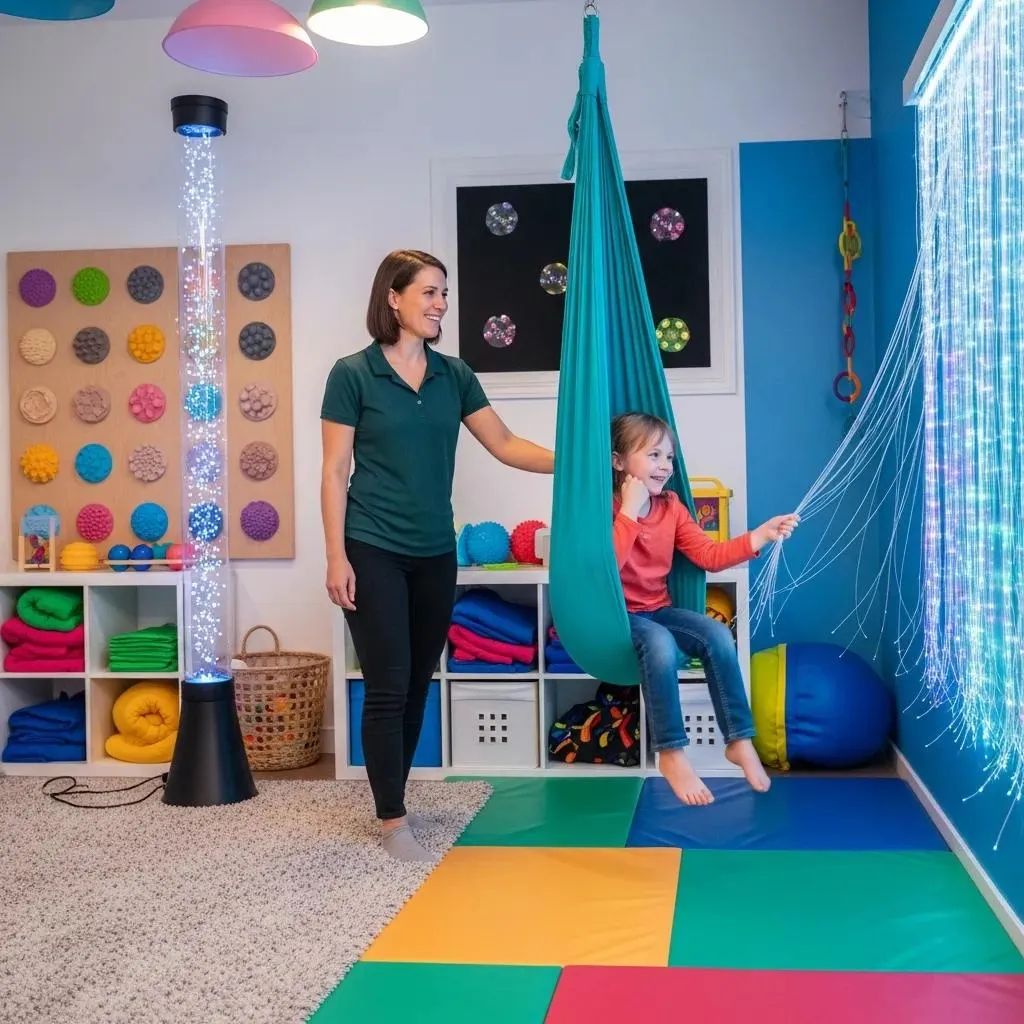

Specialized Handwriting Therapy in Tampa, Florida: Pediatric Solutions for Dysgraphia and Writing Skills
Specialized handwriting therapy is a focused pediatric intervention that targets the motor, sensory, and cognitive skills required for fluent, legible writing, improving legibility, speed, endurance, and a child’s confidence at school. This article explains what specialized handwriting therapy entails, who benefits in Tampa, and how pediatric occupational therapy interventions address dysgraphia and related handwriting challenges. Parents and educators will learn common signs of dysgraphia, how evidence-based programs like Writing Without Tears are used in therapy, and the roles of fine motor strengthening and sensory integration in producing measurable gains. The guide also maps practical next steps for families in Tampa who need handwriting help, including assessment components, service delivery options, and what to expect during therapy. Throughout, we reference local service availability options and caregiver-focused recommendations so readers know how to pursue evaluations and supportive interventions. By the end, you will understand evaluation markers, targeted activities that improve writing skills, and clear actions to begin therapy in the Tampa area.
What Is Specialized Handwriting Therapy and Who Benefits in Tampa?
Specialized handwriting therapy is a pediatric occupational therapy service that addresses the physical and perceptual foundations of handwriting by combining motor learning, multisensory instruction, and task-specific practice to produce clearer, faster, and more automatic written work. Therapists analyze posture, grip, visual-motor integration, and fine motor control to design individualized interventions that directly target the root causes of messy or slow handwriting rather than just re-teaching letter shapes. The primary outcomes are improved legibility, writing speed, task endurance, and a child’s willingness to engage in classroom writing. These interventions overlap with fine motor development and sensory integration therapy and are often linked to classroom accommodations to support academic success. Understanding who benefits helps families and schools prioritize assessment and referrals for children with persistent writing challenges.
Children who benefit from specialized handwriting therapy include those with motor delays, sensory processing differences, or diagnosed dysgraphia, as well as students whose classroom performance suffers due to fatigue or illegible work. For Tampa families seeking local options, services are available through pediatric occupational therapy providers in clinics, in-home, in daycare, and via telehealth to accommodate varying needs and schedules. Parents can inquire about evaluations and program enrollment through Skill Point Therapy to explore personalized options. These service-delivery choices make therapy more accessible and allow practice in natural settings, thereby improving skill generalization. Knowing where and how services can be delivered helps families match therapy to daily routines and school requirements.
How Does Pediatric Occupational Therapy Improve Handwriting Skills?

Pediatric occupational therapy improves handwriting by combining motor skill training, sensory strategies, and structured practice so children develop efficient movement patterns and automatic letter formation. Therapists use activity-based drills—such as pegboard sequencing, theraputty hand strengthening, and guided tracing—to build finger dexterity and intrinsic hand strength while integrating visual tracking and spatial planning tasks. Adaptive tools (angled slates, pencil grips) and ergonomic adjustments (chair/desk height, seating support) reduce compensatory strain and promote better posture and wrist positioning during writing. Progress is tracked using standardized and informal measures, and goals are set collaboratively with families and teachers to ensure functional carryover into classroom tasks. These coordinated approaches translate motor improvements into more fluent written expression and reduced writing avoidance.
Which Children Are Ideal Candidates for Handwriting Therapy?
Identifying ideal candidates centers on patterns of persistent difficulty despite practice and instruction; these profiles guide referrals and assessment priorities. Children who demonstrate inconsistent letter formation, cramped or immature pencil grasp, very slow copying speed, frequent erasures, or avoidance of writing tasks are typical referrals from teachers or pediatricians. Age-related notes matter: early elementary students may show immature fine motor milestones and poor letter formation, while older students often present with disorganized written work, spelling errors tied to motor planning, or declining handwriting stamina. Assessment is recommended when difficulties interfere with classroom performance or when parents notice ongoing frustration; early intervention often reduces long-term academic consequences and supports confidence.
How Does Dysgraphia Affect Children’s Writing and How Is It Treated?
Dysgraphia is a neurodevelopmental condition that disrupts the fine motor and cognitive processes required for written expression, resulting in persistent challenges with legibility, spelling, and organization that affect academic performance and self-esteem. The condition impairs motor planning, visual-motor integration, and the automaticity of handwriting, which in turn slows composition and increases avoidance of writing tasks. Treatment focuses on assessment-driven occupational therapy interventions: decomposing writing tasks, multisensory motor retraining, assistive technology when appropriate, and classroom collaboration to create accommodations. Early, targeted intervention reduces functional impacts and helps children regain confidence and academic momentum.
Below is a quick comparison of dysgraphia and related handwriting issues, along with the therapeutic approaches commonly matched to each presentation.
This table clarifies how clinicians select interventions based on the child’s dominant writing barrier, helping families understand therapy recommendations and likely progress. Effective plans combine multiple approaches to address overlapping deficits.
What Are the Common Signs and Symptoms of Dysgraphia in Kids?
Recognizing dysgraphia early requires observing patterns across tasks and settings rather than isolated instances of messy work. Common signs include illegible letter formation, irregular letter size, inconsistent spacing, frequent reversals, and markedly slow writing speed compared with peers. Children may avoid or rush writing tasks, show fatigue during sustained writing, or produce written work that does not reflect their verbal knowledge; middle-schoolers might produce short, underdeveloped essays or rely heavily on verbal responses. These functional indicators prompt referral for a handwriting assessment when they persist despite school-based supports, and they guide targeted OT evaluation components.
How Does Skill Point Therapy Address Dysgraphia Through Occupational Therapy?
Skill Point Therapy approaches dysgraphia with individualized, assessment-driven occupational therapy plans that combine motor skill building, multisensory handwriting instruction, and coordinated communication with families and educators. Initial assessments gather functional history, observe task performance (copying, dictation, near-point tasks), and include standardized and informal measures to pinpoint motor, sensory, and visual-motor contributors. Interventions may consist of graded fine-motor exercises, multisensory tracing and formation activities, ergonomic adjustments, and practice schedules designed to build automaticity. Progress is monitored through measurable goals and regular updates to families and schools, supporting consistent strategies across environments and ensuring that therapy gains translate into classroom improvement.
What Is the Writing Without Tears Program and How Does It Support Handwriting Development?

Writing Without Tears is a multisensory, developmental handwriting curriculum that simplifies letter formation using child-friendly cues, kinesthetic practice, and sequenced instruction to build legibility and confidence. The program uses tactile materials, large-motor activities, and graded steps that reduce cognitive load while reinforcing correct stroke sequences and spatial organization. By integrating kinesthetic, visual, and verbal cues, Writing Without Tears promotes automatic letter formation and supports children who struggle with traditional, drill-based instruction. Recent practice in pediatric OT emphasizes that such evidence-based curricula are most effective when embedded in a broader motor-learning framework and individualized to the child’s needs.
Before the table below, we explain its purpose: it links core program components to the specific techniques used and the expected benefits for handwriting, so families understand the practical outcomes.
This table demonstrates how Writing Without Tears components map directly onto motor and perceptual mechanisms underlying handwriting, clarifying why the curriculum is a practical choice in therapy.
What Multisensory Techniques Are Used in Writing Without Tears?
Writing Without Tears employs multisensory techniques—kinesthetic practice, tactile tracing, and simplified visual cues—to reinforce correct letter formation and spacing through active learning. Sessions often begin with large-motor warm-ups that connect arm movements to letter strokes, followed by tactile tracing or finger-painting letters to provide sensory feedback that anchors shape memory. Simplified, sequential letter cues reduce cognitive load, allowing children to internalize stroke order before refining size and spacing; this progression strengthens automaticity. Parents can reinforce gains with brief, playful home activities that mirror clinic tasks, accelerating carryover to classroom writing.
How Is This Program Integrated Into Tampa’s Pediatric Handwriting Therapy?
In Tampa, therapists adapt Writing Without Tears to individual needs and settings, using clinic-based materials, in-home practice, daycare sessions, or telehealth coaching to maintain consistency and context-specific practice. A typical therapy session might combine kinesthetic warm-ups, guided tactile work, and graded fine motor exercises tailored to the child’s current level. In contrast, telehealth sessions focus on caregiver coaching and environmental setup for practice. Adapting the program in natural settings—such as in-daycare activities or at the kitchen table—helps children generalize skills to real-life tasks, and therapists coordinate with teachers to embed strategies in classroom routines. This flexible implementation supports sustained progress across environments and routines.
How Do Fine Motor Skills and Sensory Integration Impact Handwriting in Children?

Fine motor skills and sensory integration form the mechanical and regulatory foundation for handwriting, determining a child’s ability to control a pencil, manage pressure, and sustain focused attention through tasks. Finger strength, dexterity, and coordinated bilateral hand use underpin precise letter formation, while fine motor endurance affects a child’s ability to complete classroom assignments without fatigue. Sensory integration influences how a child perceives proprioceptive and tactile feedback, which in turn affects grip modulation and pressure consistency; sensory dysregulation can lead to variable handwriting and distractibility during tasks. Targeted therapy addresses these components concurrently to produce coordinated improvements that translate into better writing performance and task endurance.
Below is a practical list describing therapeutic targets and their connection to handwriting outcomes.
- Hand Strength and Endurance: Improved grip stability supports consistent letter formation and reduces fatigue.
- Finger Isolation and Dexterity: Better dexterity enables fine strokes and the detailed control required for neat writing.
- Visual-Motor Integration: Coordinated eye-hand interaction enables accurate copying and spacing on the page.
- Sensory Modulation: Controlled sensory input maintains attention and pressure consistency during writing tasks.
Why Are Fine Motor Skill Development Therapies Essential for Writing Success?
Fine motor therapies progress from gross motor stabilization to precise finger coordination, enabling children to develop the strength and control necessary for fluent handwriting. Therapy activities such as pegboard sequences, scissor tasks, bead stringing, and theraputty resistive work systematically increase dexterity and intrinsic hand muscle endurance. Improvements in these areas typically show functional gains in legibility and speed over weeks to months, as motor patterns stabilize and become automatic. Therapists translate motor gains into handwriting-specific practice so that strengthening directly supports letter formation and endurance during classroom tasks.
How Does Sensory Processing Therapy Enhance Handwriting Abilities?
Sensory processing therapy helps children regulate input so they can maintain consistent pressure, attention, and motor control while writing, addressing under- or over-responsivity that disrupts task performance. Techniques include proprioceptive input (heavy work activities) to stabilize muscle tone, tactile strategies to improve feedback during pencil use, and environmental adjustments to reduce distracting stimuli during writing tasks. When sensory strategies are incorporated into daily pre-writing routines and classroom accommodations, children demonstrate improved focus and pressure consistency, which, in turn, supports legibility and speed. Collaboration with educators ensures sensory-friendly accommodations are practical and effective at school.
Why Choose Skill Point Therapy for Pediatric Handwriting Help in Tampa?
Skill Point Therapy offers comprehensive pediatric occupational therapy services that emphasize personalized treatment plans, family-centered communication, and flexible delivery options to meet the needs of children in the Tampa area. The practice provides evidence-based handwriting interventions—including fine-motor strengthening, sensory integration strategies, and curriculum-based programs such as Writing Without Tears—across clinic, in-home, in-daycare, and telehealth settings. Their approach centers on collaborative goal-setting with families and schools, frequent progress updates, and practical home programs to reinforce gains. For parents seeking local evaluation and treatment choices, Skill Point Therapy’s service model prioritizes access, continuity, and coordinated care with educators and caregivers.
The following bulleted list highlights core value propositions that parents commonly weigh when selecting a pediatric handwriting provider.
- Compassionate, Family-Centered Care: Therapists involve caregivers in goal-setting and daily strategies.
- Personalized Treatment Plans: Interventions are tailored based on comprehensive assessment findings.
- Flexible Service Delivery: Sessions are available in the clinic, at home, in daycare, and via telehealth to support generalization.
What Personalized Treatment Plans and Compassionate Care Does Skill Point Therapy Offer?
Personalized plans at Skill Point Therapy begin with a thorough history and assessment to identify motor, sensory, and visual-motor contributors to handwriting challenges, leading to targeted goals developed with caregivers and teachers. Sessions incorporate graded motor practice, multisensory handwriting instruction, and caregiver education to reinforce strategies across home and school. Therapists provide regular progress reports and adjust frequency and techniques based on measurable improvements, ensuring families understand milestones and next steps. This collaborative process supports consistency across environments and keeps families actively involved in skill generalization and maintenance.
How Do Community-Based and Telehealth Services Improve Access to Therapy?
Community-based and telehealth delivery expand access by reducing travel barriers, enabling practice in natural contexts, and empowering caregivers through coaching. In-home and in-daycare sessions allow therapists to address environmental factors, model strategies for caregivers, and practice handwriting within authentic routines, which enhances generalization. Telehealth facilitates caregiver-mediated sessions focused on strategy implementation and observational feedback, making therapy possible when in-person visits are limited. While each model has limitations—such as equipment availability or hands-on facilitation—combining in-person and virtual options maximizes reach and supports sustained practice.
How Can Parents Get Started with Handwriting Therapy for Their Child in Tampa?
To begin, parents should seek a structured handwriting assessment that clarifies functional challenges, pinpoints underlying motor or sensory contributors, and produces clear, actionable recommendations for therapy and classroom supports. The evaluation typically includes a caregiver interview, observation of writing tasks (copying, dictation, near-point tasks), and standardized or criterion-referenced measures to quantify legibility, speed, and motor skills. Following assessment, families receive a written plan with targeted goals, suggested session frequency, and practical home activities to reinforce progress. These steps reduce uncertainty and provide a clear pathway from evaluation to targeted intervention.
Below is a concise three-step checklist parents can follow to initiate services and ensure a smooth start to therapy.
- Assess: Request a comprehensive handwriting assessment to identify specific skill gaps and set measurable goals.
- Schedule: Discuss service delivery options—clinic, in-home, in-daycare, or telehealth—and select a plan that fits family routines.
- Begin Therapy: Start with a tailored treatment plan that includes therapy sessions, home practice, and regular progress reviews.
What Is the Handwriting Assessment Process at Skill Point Therapy?
Skill Point Therapy’s handwriting assessment process combines a caregiver interview, functional observation, and targeted tasks to identify motor, sensory, and visual-motor contributors to writing difficulty and generate practical recommendations. Assessments include observing the child copy, writing, copying from dictation, and performing near-point tasks, while noting posture, grip, letter formation, spacing, and stamina; standardized measures and informal checklists help quantify strengths and deficits. Deliverables include prioritized goals, suggested session frequency, home program activities, and recommendations for classroom accommodations to support academic success. This comprehensive evaluation ensures that therapy focuses on the most impactful areas for functional improvement.
Before the following table, we introduce it: it summarizes standard assessment components, what each measures, and what parents can expect as next steps.
This table gives parents a transparent view of assessment components and how each contributes to a clear action plan for therapy and classroom collaboration.
How Can Parents Schedule Evaluations and Contact Occupational Therapists?
Parents can prepare for scheduling by gathering teacher observations, samples of recent written work, and notes about when and where writing difficulties occur to ensure the evaluation is focused and efficient. Check provider availability for in-clinic, in-home, in-daycare, or telehealth appointments and inquire about intake paperwork and required documentation to streamline the process. Discuss preferred session frequency and goals during the initial planning call or intake to align expectations and logistics. For families in Tampa, contacting Skill Point Therapy through their online presence or Google Business Profile is the recommended next step to request an evaluation and learn about service options and scheduling availability.
This final action step emphasizes practical preparation and a clear next step so families can quickly move from concern to evaluation and begin targeted handwriting therapy.
Frequently Asked Questions
What age group is most suitable for handwriting therapy?
Handwriting therapy is beneficial for children typically aged 4 to 12 years, as this is the developmental window when fine motor skills and writing abilities are being established. Early intervention is crucial, especially for those showing signs of dysgraphia or other writing difficulties. However, older children and adolescents can also benefit from therapy if they continue to struggle with handwriting tasks. Tailored interventions can help improve their skills and boost confidence, making it essential to assess each child’s unique needs regardless of age.
How long does handwriting therapy usually take to show results?
The duration of handwriting therapy varies based on individual needs, the severity of challenges, and the frequency of sessions. Generally, families may start to see improvements within 6 to 12 weeks of consistent therapy, especially when combined with home practice. Progress is monitored regularly, and therapists adjust goals and techniques as needed. It’s important to remember that each child’s journey is unique, and some may require more extended periods of intervention to achieve their desired outcomes.
Are there specific tools or materials used in handwriting therapy?
Yes, handwriting therapy often incorporates a variety of tools and materials designed to enhance fine motor skills and writing abilities. Commonly used items include pencil grips, slant boards, textured paper, and multisensory materials like sandpaper letters or theraputty. These tools help children develop better grip, greater control, and enhanced sensory feedback during writing tasks. Additionally, programs like Writing Without Tears utilize specific materials that promote kinesthetic learning and reinforce correct letter formation, making the learning process engaging and effective.
Can parents participate in their child’s handwriting therapy sessions?
Absolutely! Parental involvement is encouraged in handwriting therapy. Therapists often provide guidance on how parents can support their child’s progress at home through practice activities and strategies. In some cases, parents may even participate in sessions, especially during telehealth appointments, to learn techniques that can be reinforced in daily routines. This collaborative approach not only enhances the child’s learning experience but also fosters a supportive environment for skill development.
What should parents look for when choosing a handwriting therapy provider?
When selecting a handwriting therapy provider, parents should consider several factors. Look for a provider with experience in pediatric occupational therapy and a focus on handwriting challenges. Check for evidence-based practices, such as multisensory approaches and individualized treatment plans. Additionally, consider the flexibility of service delivery options, including in-clinic, in-home, and telehealth sessions. Finally, ensure the provider emphasizes family involvement and communication, as these are crucial to effective therapy outcomes.
How can schools support children undergoing handwriting therapy?
Schools can play a vital role in supporting children receiving handwriting therapy by implementing accommodations and modifications tailored to each child’s needs. This may include providing extra time for writing tasks, allowing the use of assistive technology, or modifying classroom materials to enhance accessibility. Collaboration between therapists and educators is essential to ensure that strategies learned in therapy are reinforced in the classroom. Regular communication about the child’s progress and challenges can help create a supportive learning environment that fosters success.
Conclusion
Specialized handwriting therapy in Tampa offers children the opportunity to enhance their writing skills through tailored interventions that address motor, sensory, and cognitive challenges. By utilizing evidence-based programs like Writing Without Tears, children can experience significant improvements in legibility, speed, and confidence. Parents are encouraged to take the first step by seeking a comprehensive handwriting assessment to identify their child’s specific needs. Explore how Skill Point Therapy can support your child’s writing journey today.