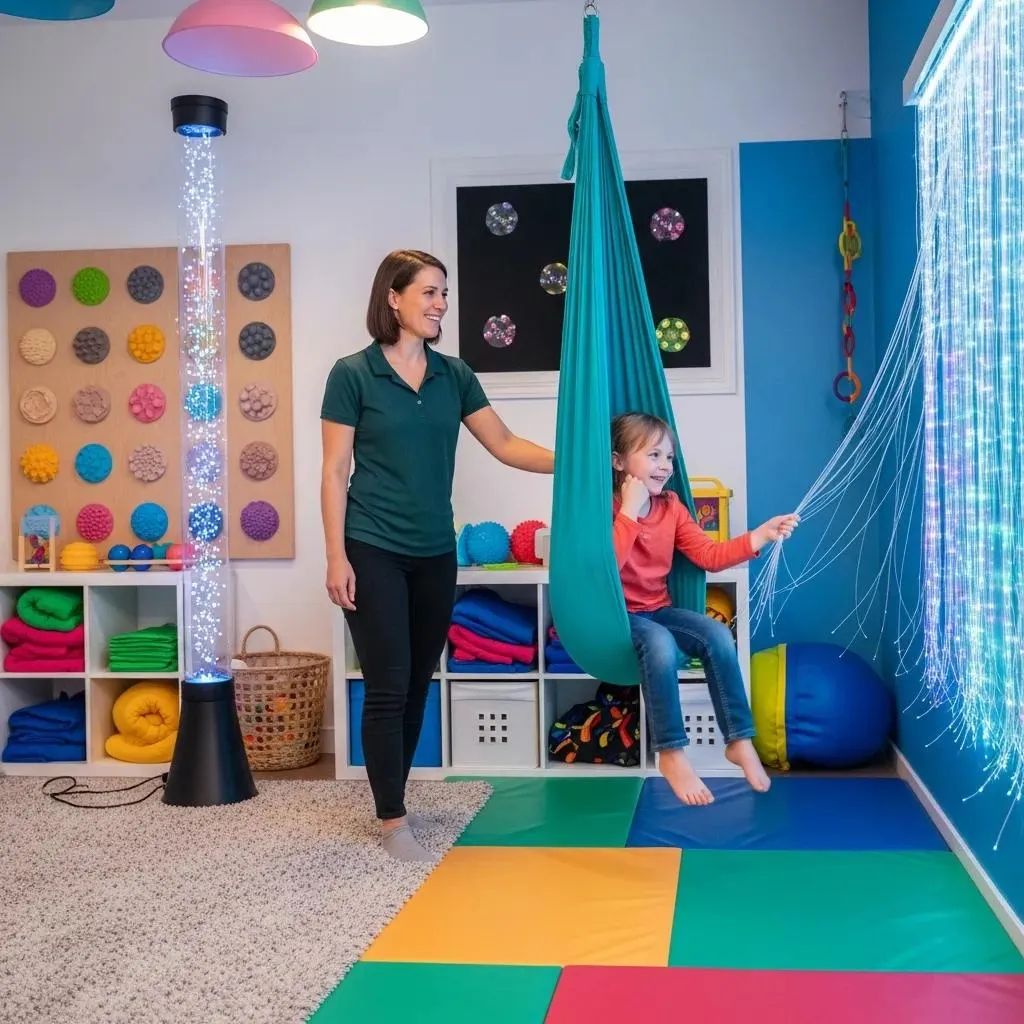

Improving child behavior often starts with understanding what you’re really seeing beneath the surface. Many children who hit, avoid tasks, shut down, or have significant emotional reactions may actually be struggling with sensory overload, poor motor control, or difficulty staying regulated. Occupational therapists help children with challenges such as sensory processing issues, autism, or fine motor difficulties, and early intervention offers the best chance for progress.
Parents often feel confused or even frustrated when their child melts down at school, refuses to try new things, or seems “too active” all the time. These behaviors are not a child “being bad”—they are signals that something deeper is happening. With the proper support, children learn how to stay calm, follow routines, and succeed at home, in school, and in social situations.
Pediatric occupational therapy helps children grow by strengthening their ability to connect, communicate, and stay engaged in everyday activities. These strategies work best when families and teachers use the same techniques at home and school, leading to steady, consistent progress. Families searching for occupational therapy near me often discover that early support can make a big difference—especially since research shows that nearly 20% of children need help with emotional or behavioral regulation at some point.
Key Takeaways
- Breaking tasks into manageable steps enhances a child’s independence, reduces frustration, and improves overall behavior.
- Implementing sensory integration therapy helps children respond to sensory inputs more effectively, leading to better self-regulation.
- Structured play activities promote communication and cooperation among peers, improving social behaviors essential for emotional stability.
- Utilizing visual supports, like schedules and emotion charts, supports task organization and emotional literacy, fostering positive behaviors.
- Collaborating with families ensures consistency in interventions at home, reinforcing skills and encouraging desired behaviors.
The Hidden Magic of OT for Children
Pediatric occupational therapy can help children with many different behavior challenges, even when families don’t realize these behaviors have a sensory or motor cause. Children with sensory processing issues, autism, or fine motor delays may struggle with things like loud noises, busy classrooms, or tasks that feel too hard. In fact, studies show that about 1 in 6 children has some sensory processing difficulty that affects daily life. Understanding these challenges helps families see why OT is such an essential piece of improving child behavior.
Many people may not connect behavior problems with the work occupational therapists do every day, but the link is strong. A child who melts down in noisy places may actually be overwhelmed by sounds, not “acting out.” Another child who pushes too hard during play may be seeking more sensory input, not trying to be rough. When families learn the “why” behind these behaviors, they feel more supported and hopeful.
At Skill Point Therapy, we also use the DIRFloortime method, which focuses on building warm, responsive relationships to help children grow. This approach encourages children to connect, communicate, and stay engaged, which naturally improves behavior and emotional control. By using sensory tools, play-based strategies, and gentle coaching, occupational therapists help children feel safe, confident, and understood—so everyday life becomes calmer, happier, and more successful.
Creating Sensory-Friendly Environments
Creating sensory-friendly environments involves intentional modifications that cater to a child’s distinct needs and sensitivities. By reducing overwhelming stimuli and individualizing spaces, caregivers can foster engagement and support affective wellbeing. Such tailored adaptations not only improve focus but also create a haven for children, allowing them to thrive in their learning and play.
Additionally, sensory-friendly classrooms enhance learning outcomes through tailored sensory experiences. Incorporating calming techniques such as deep pressure therapy can further support children in managing their sensory processing challenges.
Environmental Modifications for Engagement
Although often overlooked, the environment in which a child interacts can significantly impact their sensory processing and general engagement. Creating sensory zones with quiet corners and soft, dimmable lighting helps reduce sensory overload, promoting calmness and focus. Incorporating tactile toys and gentle sounds can further enhance engagement, while vestibular elements, such as swings, support body awareness.
Thoughtful use of calming color palettes fosters a soothing atmosphere, minimizing overstimulation. Sensory regulation is essential for managing sensory input, allowing children to regain control and enhancing their overall wellbeing.
Furthermore, implementing sensory diets tailored to individual needs can significantly support children’s ability to navigate their environments effectively. Furniture selection should prioritize safety and comfort while allowing for clear, uncluttered pathways to guarantee freedom of movement. By tailoring textures and sensory materials to personal preferences, caregivers can create a more inviting space, enhance the child’s sense of ownership, and promote positive behavioral outcomes in daily interactions.
Reducing Overwhelming Stimuli
When children experience sensory overload, it is crucial to identify and minimize overwhelming stimuli in their environment to foster a sense of calm and engagement. Creating sensory-friendly spaces can significantly aid in this process by targeting common triggers.
| Auditory Triggers | Visual Triggers |
|---|---|
| Loud noises | Bright or flickering lights |
| Echoing sounds | Visually cluttered spaces |
| Unpleasant sounds | Harsh color contrasts |
| Background chatter | Fast-moving images |
| Strong sounds | Overly busy patterns |
Implementing adjustments such as soft lighting, sound-absorbing materials, and quiet zones can improve affective regulation, attention, and daily functioning. Additionally, incorporating sensory diets into daily routines can further tailor the environment to suit each child’s needs, ensuring a supportive environment where they can thrive. Understanding the importance of early detection in sensory processing disorder can also enhance the effectiveness of these strategies.
Personalized Space Adaptations
Understanding each child’s unique sensory needs is essential for designing effective, tailored space adaptations that foster a supportive environment. A thorough assessment identifying sensory triggers—such as noise, lighting, and texture—enables the creation of calming spaces customized to each child’s preferences. Using sensory-friendly tools such as noise-canceling headphones, weighted blankets, and comfortable seating promotes self-regulation and comfort.
Additionally, integrating natural elements, soothing colors, and quiet zones can significantly reduce sensory overload, offering safe havens for psychological recovery. Collaborative efforts among occupational therapists, families, and educators guarantee consistent routines and strategies, enabling children to thrive. Ultimately, customized adaptations cultivate an environment where every child feels valued and understood, facilitating their growth and development in a harmonious setting.
Incorporating sensory-friendly environments not only supports emotional regulation but also enhances participation in daily activities, promoting a sense of belonging. Exposure to natural environments has been shown to improve emotional wellbeing in children with sensory processing difficulties significantly.
Breaking Down Tasks for Success
Breaking down tasks into manageable steps is crucial for fostering a child’s independence and confidence. By simplifying complex activities, children can experience incremental success, which in turn improves their motivation and ability to tackle larger tasks. Through tailored strategies, pediatric occupational therapists can help children achieve their goals while promoting skill retention and self-efficacy.
This approach explicitly targets executive functioning skills, which are essential for managing multiple tasks effectively. Additionally, incorporating sensory integration therapy techniques can further enhance a child’s ability to navigate and respond to sensory inputs during task completion.
Task Simplification Strategies
Five effective task simplification strategies can significantly improve a child’s ability to navigate challenges and complete activities independently. To begin with, breaking tasks into manageable steps reduces overwhelm and facilitates better focus, especially for children with executive functioning difficulties. Using visual supports such as schedules and checklists provides structured reminders that can improve task organization.
Environmental and sensory modifications, such as quieter spaces and adaptive tools, create conditions conducive to concentration. Tailoring task complexity to match distinct skill levels prevents frustration and encourages gradual growth.
Additionally, integrating sensory activities into daily routines can enhance self-regulation skills, reinforce consistency and independence, and make learning more natural and enjoyable. Collectively, these strategies support children in developing crucial life skills while fostering confidence. Additionally, strong executive functioning skills lead to better academic performance and social interactions, further enhancing a child’s ability to thrive.
Incremental Success Achievement
Achieving incremental success is an essential strategy in occupational therapy that helps children navigate challenging tasks by dividing larger goals into smaller, more manageable steps. This approach improves motivation and confidence as children experience frequent successes with concrete milestones. By focusing on one incremental skill at a time, therapists can tailor goals to each child’s distinct needs, ensuring that tasks remain relevant and attainable.
This structured method also allows for precise measurement of progress, reinforcing learning through positive reinforcement and prompting. Ultimately, incremental success mitigates frustration and promotes engagement, enabling children to develop self-efficacy and effective routines that support behavioral regulation and consistent progress in their daily lives. Incremental goal achievement serves as a practical framework to ensure that each child’s development remains both encouraging and helpful.
Furthermore, incorporating sensory integration techniques during these incremental tasks can further enhance children’s engagement and learning outcomes.
Enhancing Social Skills Through Play

While playing, children naturally investigate relationships and social dynamics, providing an ideal context for developing their social skills. Through structured play activities, children learn to communicate, cooperate, and engage meaningfully with peers. Constructive and pretend play promotes not only fine motor skills but also essential social competencies such as turn-taking and sharing.
Role-playing exercises allow children to practice appropriate social responses and recognize emotions in a safe environment. Furthermore, sensory integration techniques help children manage sensory sensitivities that may hinder social interactions. By enhancing communication skills and emotional regulation, occupational therapy fosters a supportive space for children to build confidence, adaptability, and resilience, ultimately enriching their social experiences and relationships.
Engaging in play-based interventions can significantly improve motor coordination and body awareness, further aiding social participation.
Strategies for Behavior Management
Effective behavior management strategies are fundamental for supporting children as they navigate their daily challenges, particularly those with unique needs. These strategies include consistent positive reinforcement, where specific praise and rewards encourage desired behaviors. Implementing structured routines can create predictability, minimize anxiety, and promote compliance.
Environmental modifications, such as organized spaces and visual schedules, help reduce distractions and further enhance focus. Simplifying tasks into manageable steps and offering choices enables children to foster cooperation and reduce frustration. By proactively identifying triggers, therapists can model appropriate behaviors and tailor interventions to singular sensory and psychological needs.
Ultimately, these thorough approaches create an inclusive environment, guiding children toward improved behavior and independence while enhancing their overall developmental trajectory.
Emotional Regulation Techniques

Supporting children in developing affective regulation techniques is crucial for fostering resilience and adaptive coping strategies. To effectively address affective challenges, occupational therapists can implement diverse methods, including:
- Deep Breathing Exercises: Teaching children to breathe slowly to promote calmness.
- Progressive Muscle Relaxation: Guiding children through muscle tension and relaxation to reduce stress.
- Visual Supports: Utilizing emotion charts and zones of regulation to help children identify their feelings.
- Proprioceptive Activities: Engaging children in jumping or rolling to improve body awareness and affective stability.
These techniques foster emotional literacy, enable self-awareness, and provide vital tools for children to navigate their feelings. Occupational therapy aims to create a supportive environment where children can thrive effectively and socially.
Integrating Home-Based Activities
Integrating home-based activities into a child’s daily routine can significantly enhance their therapeutic progress in a familiar, comfortable environment. Engaging children in household tasks like cooking and baking boosts fine motor skills through the use of utensils and mixing ingredients. Designing obstacle courses indoors fosters gross motor skills, while play-based tasks, such as holiday crafts, promote precision and social interaction.
Sensory-rich play with materials like Play-Doh can also aid in tactile processing. Moreover, family activities, such as cooking and crafts, foster social skills and communication in a supportive setting. By incorporating therapy into everyday life, families can create an enriching environment that supports their child’s development and confidence.
Importance of Motor Skill Development

While children naturally develop motor skills through everyday activities, the significance of fine and gross motor skill development cannot be overstated, as these skills are fundamental to their extensive growth and independence. Enhancing motor skills supports children in different aspects of life, including:
The development of fine and gross motor skills is essential for children’s growth, independence, and confidence in daily life.
- Enhanced Independence: Mastery of self-care tasks like dressing and feeding fosters autonomy.
- Improved School Readiness: Proficient fine motor skills are crucial for writing and using utensils.
- Engaging Therapies: Occupational therapy utilizes play-based activities to make learning enjoyable.
- Confidence Building: Gaining fine motor skills elevates children’s self-esteem as they accomplish daily tasks.
Collaborating With Families and Educators
How can effective collaboration among families, educators, and therapists improve a child’s occupational therapy development? By actively engaging in therapy, families can provide essential insights into their child’s needs and preferences. This collaborative approach enables the development of targeted interventions that are not only practical but also tailored to daily routines.
When parents participate in sessions, they can learn strategies to effectively reinforce skills at home and across educational settings. Furthermore, open communication fosters trust and respect, which is critical for a successful partnership. Ultimately, such teamwork improves the therapeutic experience, strengthens families, and nurtures a secure environment for children to flourish, ensuring that therapy becomes an integral part of their growth and development.
Frequently Asked Questions
Improving Child Behavior: What Simple OT Strategies Work at Home?
Occupational therapy can introduce sensory, movement, and routine-based tools that help children stay regulated, making behavior more manageable throughout the day.
How Can Occupational Therapy Support My Child’s Academic Performance?
Occupational therapy improves academic performance by enhancing fine motor skills, attention, and self-regulation. Tailored interventions promote confidence and independence, enabling children to engage fully in classroom activities and fostering positive relationships with peers and educators.
At what Age Should Children Start Occupational Therapy Services?
Children should ideally start occupational therapy services as soon as developmental delays appear, often before age one, to ignite their growth potential. Early intervention can significantly improve their sensory, motor, and cognitive skills, supporting thriving futures.
Are There Specific Insurance Coverages for Pediatric Occupational Therapy?
Insurance coverage for pediatric occupational therapy varies by plan and often requires medical necessity documentation. Parents should verify benefits, assess copays, and investigate private-pay options if coverage limitations hinder their children’s access to necessary services.
How Does Occupational Therapy Help With Daily Routines and Independence?
Occupational therapy builds the fine motor, sensory, and self-regulation skills children need to handle everyday tasks confidently, from dressing to feeding. As these skills grow, children experience more success and less frustration in their daily activities.
How Often Should My Child Attend Therapy Sessions?
Therapy sessions for children typically range from once to twice weekly, lasting 30 to 60 minutes. Frequency is determined by personal needs, progress, and therapist recommendations, ensuring tailored support for ideal development and outcomes.
Can Occupational Therapy Help With Sensory Issues Beyond Childhood?
Can occupational therapy truly support sensory issues beyond childhood? Yes, it provides tailored sensory modulation strategies for adults, fostering greater self-regulation, improved daily functioning, and elevated engagement, ultimately transforming lives by addressing ongoing sensory processing challenges.
Conclusion
Occupational therapy helps children grow into calmer, more confident versions of themselves. As they learn to manage their feelings, follow routines, and build stronger social skills, everyday life becomes easier and more joyful. Families often see their children becoming more independent, more engaged, and more willing to try new things.
With the proper support, children can feel successful at home, in school, and in their community. Skills like problem-solving, emotional control, and flexible thinking begin to shine through in daily routines. These small victories add up, helping children discover their strengths and feel proud of who they are becoming.
If you would like to learn how these results could look for your child, contact Skill Point Therapy to talk through your specific concerns and goals. Together, we can build a plan that helps your child thrive with confidence and happiness.
References
- https://www.communicationclubhouse.com/blog/ot-therapy-techniques/
- https://skillpointtherapy.com/boost-a-childs-social-skills/
- https://www.creighton.edu/academics/blog/how-occupational-therapy-kids-benefits-whole-family
- https://www.luriechildrens.org/en/blog/ten-at-home-occupational-therapy-activities-that-can-make-a-difference/
- https://www.usa.edu/blog/occupational-therapy-activities/
- https://dynamictherapyspecialists.com/how-occupational-therapy-can-improve-behavior/
- https://www.toolstogrowot.com/blog/2015/07/12/minimizing-challenging-behavior-during-occupational-therapy-sessions
- https://www.tustin.k12.ca.us/uploaded/District_Office/Special_Education/Forms/CAC_Presentation_October_2015.pdf
- https://www.ucsf.edu/news/2013/07/107316/breakthrough-study-reveals-biological-basis-sensory-processing-disorders-kids
- https://healthcare.utah.edu/the-scope/kids-zone/all/2022/05/does-my-child-have-sensory-disorder