

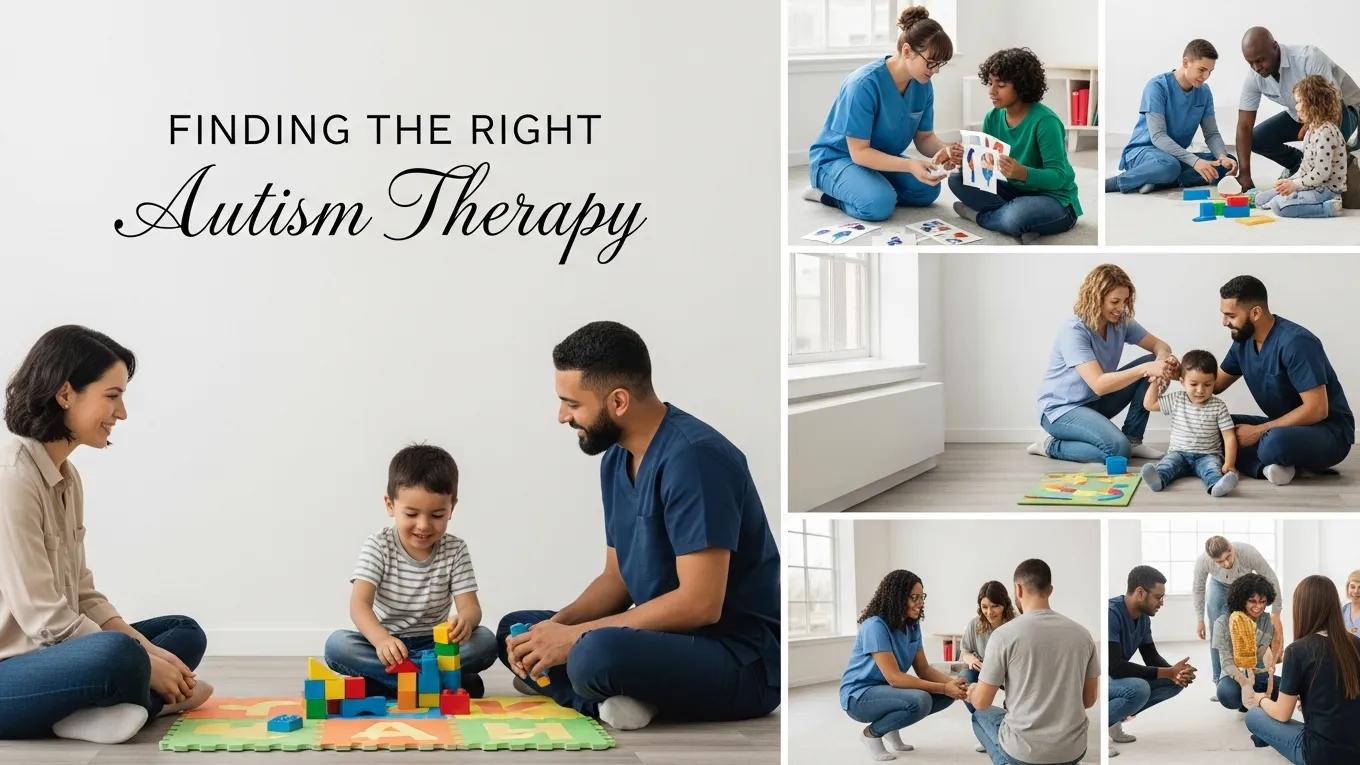
Types of therapy for Autism: A Parent’s Guide to Finding the Right Fit
As a parent sorting through autism therapy options around Tampa and Brandon, FL, it’s normal to feel overwhelmed. Every child is different, and the right therapy honors who your child is while targeting their needs. At Skill Point therapy — serving families across Hillsborough County, including pediatric therapy near Carrollwood and autism therapy near Brandon, FL — we take a warm, collaborative approach that centers your child’s strengths and challenges. This guide walks through twelve common therapies for autism, what they do well, and how they can support your child’s growth. We highlight DIR/Floortime as a relationship-first, child-led foundation we specialize in and often recommend for whole-child development.
We’re here to help you weigh options and build a nurturing plan that fits your family.
1. DIRFloortime — A Relationship-First Approach
DIR/Floorthe time is a child-led, relationship-focused model that feels warm and respectful. Created by Dr. Stanley Greenspan, the Developmental, Individual Difference, Relationship-based (DIR) framework prioritizes where your child is emotionally and developmentally rather than only targeting behaviors. Research published by Greenspan & Wieder and the Interdisciplinary Council on Development and Learning supports the effectiveness of DIR/Floortime in fostering emotional connection and whole-child development for children on the autism spectrum. The DIR/Floortime model, developed by Dr. Stanley Greenspan, is recognized for improving social connections and emotional development in children with autism. (Source: ICDL – DIR Floortime)
Floor time in therapy in practice: therapists and caregivers literally get on the floor to follow the child’s lead, join their interests, and build meaningful interactions. The result is a deeper connection and support for whole-child growth.
Core Philosophy and Focus Areas
- Emotional connection: Creating trust and moments of joy through shared interaction
- Engagement: Sparking curiosity and active involvement
- Communication: Growing language naturally through back-and-forth play
- Whole-child development: Supporting emotional regulation, social skills, cognition, and confidence
Unlike many behavior-only approaches, DIR/Floortime honors your child’s inner experience and curiosity. It builds a secure base for learning by strengthening the relationship at the heart of development.
At Skill the Point therapy, we recommend DIR/Floortime as a foundational approach because it respects each child’s unique profile and encourages lasting growth. We often blend it with related methods, such as Relationship Development Intervention (RDI) and play-based developmental techniques.
2. Apply the Behavior Analysis (ABA therapy)
Applied Behavior Analysis (ABA) is one of the most studied therapies for autism. It uses structured, step-by-step teaching to reinforce helpful behaviors, reduce challenging behaviors, and teach new skills. The American Academy of Pediatrics endorses ABA as an effective early intervention for children with autism, supporting skill acquisition and behavior improvement. ABA is endorsed by the U.S. Surgeon General and the American Psychological Association as an evidence-based treatment for autism. (Source: Autism Speaks – Applied Behavior Analysis)
Focus Areas
- Reinforcing positive behaviors
- Reducing challenging behaviors
- Building communication skills
- Developing daily living skills
- Improving social interaction
ABA breaks the complex skills into small steps and uses repetition plus positive reinforcement to promote learning. It’s especially effective in early intervention and for children who thrive with clear, structured goals.
3. Occupational therapy (OT)
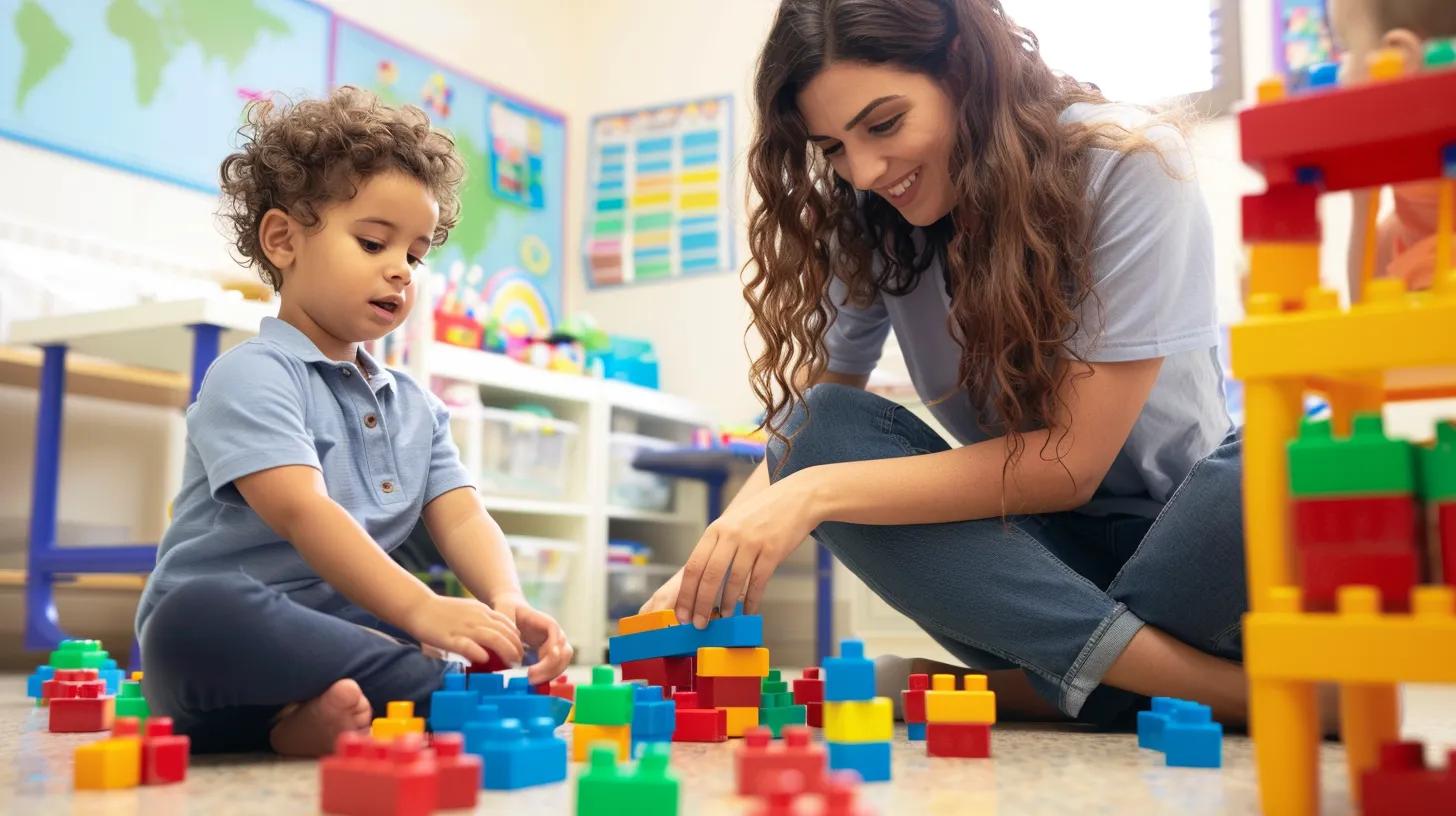
Occupational therapy helps with sensory processing, fine motor skills, self-care, emotional regulation, and everyday functioning. The American Occupational therapy Association recognizes occupational therapy as a key intervention for children with autism, particularly in addressing sensory integration and daily living skills. The American Occupational therapy Association recognizes occupational therapy as a key intervention for improving daily living skills and sensory processing in children with ASD. (Source: AOTA – Autism)
Focus Areas
- Sensory processing support
- Fine motor skill development
- Self-care and independence
- Emotional regulation strategies
- Daily living skills
Many children with autism have sensory sensitivities. OT often uses sensory integration techniques to help a child manage input and feel more comfortable in daily life.
4. Speech and Language therapy
Speech and language therapy focuses on the core area for many children with autism: communication. The American Speech-Language-Hearing Association highlights speech therapy as essential for improving expressive and receptive language skills in children with autism, often incorporating Augmentative and Alternative Communication (AAC) when needed. The American Speech-Language-Hearing Association (ASHA) provides comprehensive guidance on communication interventions for children with autism. (Source: ASHA – Autism)
Focus Areas
- Expressive language
- Receptive language
- Pragmatic (social) communication
- Conversation skills
- Nonverbal communication
When a child is minimally verbal, therapists may introduce Augmentative and Alternative Communication (AAC) systems to give them a voice. Speech therapy helps children share their needs, feelings, and ideas more clearly.
What types of therapy help children with autism with communication?
Speech-language therapy is the most common approach for building communication skills in children with autism, and it can be combined with AAC tools, social skills training, and DIR/Floortime for a more holistic approach.
5. Intensive Behavioral Intervention (IBI)
Intensive Behavioral Intervention (IBI) is a higher-dose form of ABA, often 20–40 hours a week, designed for young children who need significant support.
Focus Areas
- Early childhood intervention
- Foundational communication skills
- Cognitive development
- School readiness
IBI provides a structured setting to build core skills and prepare children for future learning and social participation.
How do I know which autism therapy is right for my child?
Start by speaking with a pediatric therapist who can assess your child’s developmental profile. The right therapy will align with your child’s communication style, sensory needs, and learning strengths.
6. Cognitive Behavioral therapy (CBT)
Cognitive Behavioral therapy (CBT) helps children learn how thoughts, feelings, and behaviors are connected. It’s especially useful for anxiety, low mood, and improving emotional flexibility. The National Institute of Mental Health supports CBT as an effective approach for managing anxiety and behavioral challenges in individuals with autism. (Source: NIMH – Autism Spectrum Disorder)
Focus Areas
- Managing anxiety and depression
- Emotional regulation
- Challenging rigid thinking
- Reducing social fears
CBT teaches the essential practical coping strategies and helps older children and teens build more flexible thinking patterns. It works best when the child can engage verbally with the therapist.
7. Play therapy
Uses play—either structured or child-led—to encourage emotional expression, social skills, creativity, flexibility, and coping strategies.
Focus Areas
- Expressing emotions safely
- Developing social skills
- Encouraging imagination and flexibility
- Building coping skills
Play therapy is especially effective for younger children or those who communicate best through activity and interaction.
8. Social Skills Training

Social skills training teaches children to recognize social cues, interpret body language, take turns, resolve conflicts, and build friendships. Research by Laugeson and colleagues on the PEERS program supports the effectiveness of social skills training in improving peer relationships and social understanding for children with autism. The CDC highlights social skills interventions as a core component of autism treatment programs. (Source: CDC – Autism Treatment)
Focus Areas
- Reading social cues
- Understanding body language
- Turn-taking and sharing
- Conflict resolution
- Forming and keeping friendships
Often offered in small groups, these sessions give real-time practice with peers to build confidence and competence.
What is the therapy for a child with autism?
There is no single “best” therapy — the right fit depends on your child’s unique strengths, challenges, and goals. A personalized evaluation can help identify the combination of therapies most likely to support their growth.
9. Signs Your Child Is Thriving in therapy
Finding the right therapy in Tampa or Brandon, FL, is a process that changes over time. At Skill Point therapy, we help Hillsborough County families spot signs that a program is working. Look for these indicators that your child is benefiting from therapy:
- Increased engagement: Your child shows more curiosity and is more willing to join sessions, especially in relationship-focused approaches like DIR/Floortime.
- Improved communication: Whether through words, gestures, or AAC tools, your child begins to share needs, feelings, or interests more clearly.
- Emotional growth: You notice fewer meltdowns, better self-regulation, and more joyful moments at home and in therapy.
- Skill development: New abilities appear—from social steps to daily living tasks—reflecting progress from OT, ABA, or other supports.
- Positive relationships: Caregivers and therapists see growing trust and connection, a sign of effective, child-led work.
If you’re unsure about the right program or whether your child is a good fit, your Point therapy — with locations near Carrollwood in Tampa and in Brandon, FL — can help. We provide personalized assessments and collaborative planning so therapy matches your child’s needs and your family’s goals.
10. Parent Training Programs
Parent Training Programs teach caregivers how to carry therapy goals into daily life, manage meltdowns, support communication, and foster independence.
Benefits of Family Training
- Greater consistency between therapy and home
- A deeper understanding of your child’s needs
- More confidence in handling challenges
- Stronger family involvement and longer-term gains
11. Family therapy
Family therapy focuses on improving family communication, offering emotional support, resolving conflict, and helping siblings cope.
Focus Areas
- Clearer family communication
- Emotional support for caregivers and siblings
- Conflict resolution strategies
- Addressing siblings’ needs and concerns
Supporting the whole family creates a healthier environment for your child to grow up in.
12. Sensory Integration therapy
Sensory integration supports children who are sensitive to sounds, touch, movement, or textures.
Focus Areas
- Regulating responses to sensory input
- Reducing sensory overload
- Improving comfort with daily activities
When sensory needs are addressed, many children become more comfortable and better able to engage with their surroundings.
13. Mental Health Counseling for Autism
Children with autism often experience co-occurring conditions like anxiety, depression, ADHD, or OCD. Mental Health Counseling offers therapies such as CBT and emotion-regulation strategies tailored to autism.
Focus Areas
- Treating anxiety and depression
- Improving emotional regulation
- Supporting attention and executive functioning
- Counseling adapted for children with autism
Addressing mental health alongside developmental supports is an important part of comprehensive care.
At what age would autism therapy start?
Early intervention — ideally before age 5 — is associated with the strongest developmental outcomes. However, therapy can be beneficial at any age, and it is never too late to begin supporting your child’s growth.
Therapy Comparison Table
Early Intervention Autism therapy
Starting the therapy early matters because young brains are especially adaptable. Early support can:
- Boost language development
- Increase social engagement
- Reduce challenging behaviors
- Build independence
That said, it’s never too late to begin therapy. Children and teens can make meaningful progress at any age.
Choosing the right autism therapy
When you’re deciding on therapies, consider your child’s:
- Communication level
- Emotional and behavioral needs
- Sensory sensitivities
- Preferred learning style
- Family values and goals
Many find that a multidisciplinary plan works best. DIR/Floortime pairs well with speech, occupational, and other therapies, providing a relational foundation that helps all other supports work more effectively.
Frequently Asked Questions
What are the signs that my child is benefiting from therapy?
Signs that your child is thriving in therapy include increased engagement, improved communication, emotional growth, skill development, and positive relationships with caregivers and therapists. You may notice your child showing more curiosity and willingness to participate in sessions, sharing their needs and feelings more clearly, and experiencing fewer meltdowns. Additionally, new skills in social interactions and daily living tasks can indicate progress, reflecting the effectiveness of the therapy being provided.
How can I support the therapy at home?
Supporting your child’s therapy at home involves consistency and reinforcement of the skills learned during sessions. Engage in activities that align with therapy goals, such as practicing communication skills during play or using strategies for emotional regulation. Parent training programs can provide valuable techniques for managing challenges and fostering independence. Open communication with your child’s therapist can also help you understand how to best support your child’s development in everyday situations.
What should I consider when choosing a therapy for my child?
When selecting a therapy for your child, consider their communication level, emotional and behavioral needs, sensory sensitivities, and preferred learning style. It’s also important to reflect on your family’s values and goals. Many families find that a multidisciplinary approach, combining therapies like DIR/Floortime with speech or occupational therapy, can provide a comprehensive support system that addresses various aspects of their child’s development.
Are there any therapies specifically for siblings of children with autism?
Yes, family therapy can be beneficial for siblings of children with autism. It focuses on improving family communication, providing emotional support, and addressing the unique needs and concerns of siblings. This type of therapy helps siblings understand their brother or sister’s challenges and fosters a supportive family environment, which is crucial for the emotional wellbeing of all family members.
What role does intervention play in autism therapy?
Early intervention is critical in autism therapy, as it takes advantage of the brain’s adaptability during early childhood. Starting therapy early can significantly boost language development, increase social engagement, reduce challenging behaviors, and promote independence. However, it’s important to note that meaningful progress can be made at any age, and it’s never too late to begin therapy for your child.
How do I know if my child needs more intensive therapy?
If your cthe the the the the the the the the child ischild is struggling significantly withcomwith communication skills or dailywitdaily livingwithdaily liviit indicates a needdaily living, itwithfit indicates a need for intensiveitdailywithaily living, which requires intensive intensive dailyitdailywithintensive intensive dailyitdailyyou’re withyou’re therapy, including intensive daily challenges in engaging with peers, difficulty expressing needs, or frequent emotional outbursts. Consulting with your child’s therapist can provide insights into whether a more intensive approach, such as Intensive Behavioral Intervention (IBI), is appropriate for your child’s specific needs and circumstances.
What is the importance of emotional connection in autism therapy?
Emotionally, the emotional connection is vital in autism therapy. Emotionally, the emotional connection fosters trust and engagement between the child and therapist. Approaches like DIR/Floortime emphasize building strong relationships, which can enhance a child’s willingness to participate and learn. A secure emotional base allows children to explore their interests and develop skills more effectively, leading to better outcomes in their overall development and wellbeing.
What is the best therapy for Autism?
There’s no single “best” therapy — each child’s needs are unique. Many families find DIR/Floortime valuable for its holistic, child-centered focus that builds emotional connection and supports broad development. ABA, speech therapy, OT, CBT, and play therapy are also effective when tailored to your child.
Can Therathe the the pies Be Combined?
Yes. Combining behavioral, developmental, and emotional approaches is common and often beneficial. DIR/Floortime can serve as a relational base that enhances the effectiveness of other therapies.
Are therapies necessary for Mild Autism?
EEveEvechthe ild can benefit t from support in social communication, anxiety management, and executive functioning. Therapy can build skills that improve everyday life and independence.
Conclusion
Every child deserves a therapy plan that respects who they are and supports their path forward. At Skill Point therapy, with convenient locations in Tampa (Carrollwood, 13907 N. Dale Mabry Hwy.) and Brandon, (1463 Oakfield Drive, Suite #131, Brandon, FL 33511, we believe relationship-first approaches like DIR/Floortime help build real connection and whole-child development. We’re ready to support your family in finding the therapies that fit your child’s needs and your goals. Reach out to start this important journey together and connect with the trusted autism therapy options that families in Tampa and Brandon rely on.

Nicole Bilodeau, MS, OTR/L, is an occupational therapist and founder of Skill Point Therapy in Tampa and Brandon. She leads a skilled team that provides speech and pediatric occupational therapy, supporting children with autism, ADHD, sensory processing disorders, social skills challenges, and motor development issues. Nicole is dedicated to helping every child reach milestones and thrive at home, school, and in the community