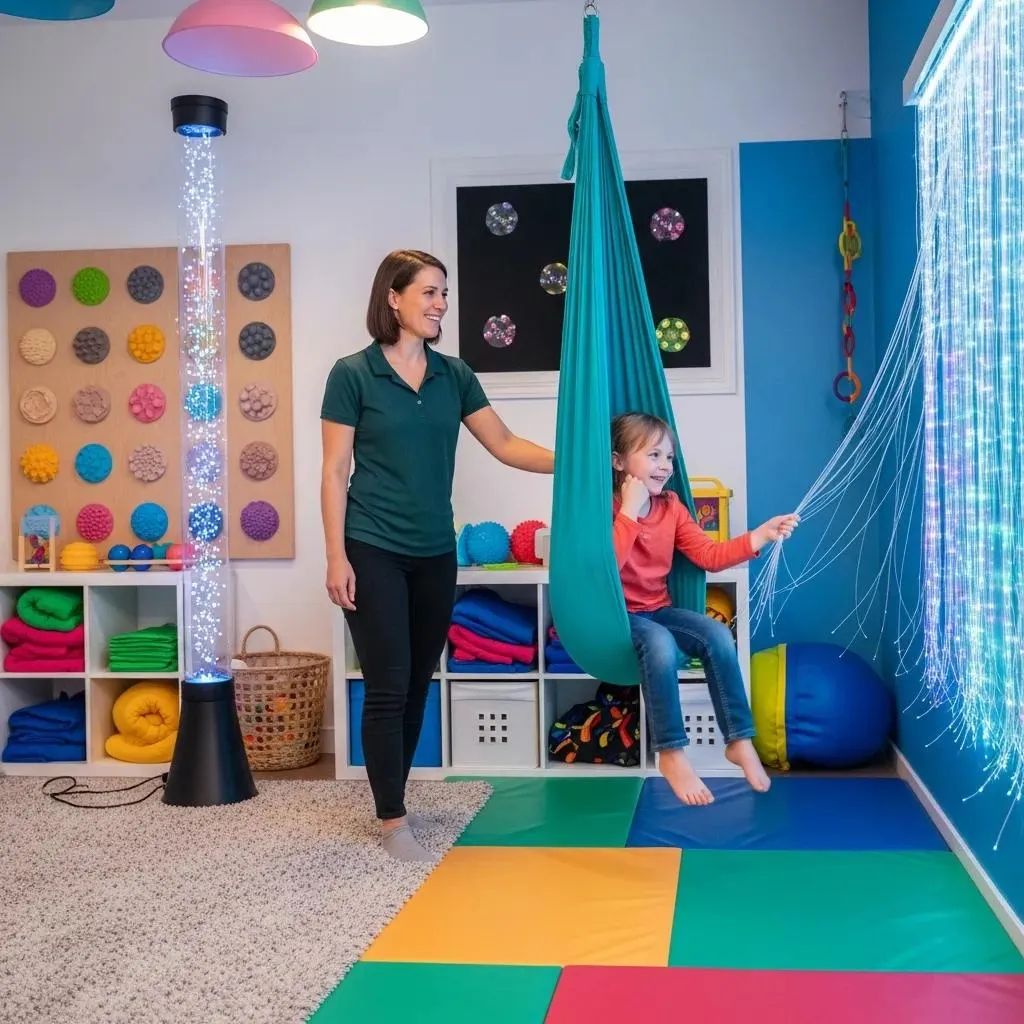

Many Tampa occupational therapists recommend at-home sensory activities to help children build focus, confidence, and calm. These activities often come from the principles of DIRFloortime, which encourages play-based connection and emotional growth. Parents who spend time doing these simple exercises with their children make a big difference—your dedication at home truly supports long-term progress.
Simple activities like swinging in the backyard or rolling on a large exercise ball can improve balance, coordination, and body awareness. Even everyday tasks like stirring batter in the kitchen can provide rich sensory feedback while building confidence. Each of these playful moments helps your child’s brain process information more smoothly, turning ordinary routines into meaningful therapy opportunities.
Research shows that up to 1 in 6 children experience sensory processing challenges, which can affect learning, attention, and emotional regulation. Early intervention produces the best results by strengthening these skills before they impact school or social life. With patience and the proper support, these fun, at-home techniques can make a lasting difference in your child’s development and daily success.
Key Takeaways
- Swinging activities enhance vestibular stimulation, improve balance and coordination, and provide calming or alerting sensory input for children at home.
- Engaging in rolling activities nurtures motor skills and spatial awareness through various techniques, using different surfaces to add interest.
- Bouncing on exercise balls supports trunk control and provides playful movement, aiding sensory regulation and motor skill development.
- Jumping on trampolines offers a natural outlet for energy release, reinforcing balance, coordination, and emotional regulation during at-home play.
- Creating obstacle courses improves motor planning and cognitive skills, enhances physical strength, and encourages cooperation and communication among family members.
Swinging for Vestibular Stimulation

While many may overlook the impact of simple play, swinging serves as a potent tool for vestibular stimulation and sensory processing in children. Various kinds of swings, such as platform and buoy ball swings, improve balance and strength while providing critical movement. For parents exploring sensory activities they can do at home for their child, incorporating swinging into a sensory diet can significantly improve postural control and psychological wellbeing.
Tailored swinging protocols, supported by occupational therapy near me, can target specific sensory needs, whether for calming or alerting purposes. By providing the right swinging experiences, caregivers can effectively address both under-responsive and over-responsive vestibular systems, improving body awareness and motor planning in children.
Additionally, engaging in swing play can also aid in developing strength and coordination, making it a comprehensive addition to sensory-rich activities at home. Swinging activities help stimulate the vestibular system, further enhancing overall sensory integration for children. This approach is particularly beneficial because it supports emotional regulation and self-control, essential components of successful sensory integration therapy.
Engaging in Rolling Activities
Rolling activities are essential for nurturing motor development in young children, playing a critical role in their physical and cognitive growth. Engaging in rolling improves vestibular function, spatial awareness, and proprioception. Pediatric occupational therapist tips in Brandon emphasize creating varied rolling experiences. Here are some effective methods:
| Technique | Purpose | Surface Variation |
|---|---|---|
| Side-lying initiation | Encourages movement | Soft blanket |
| Toy placement | Promotes reaching | Inclined surface |
| Blanket roll | Provides deep pressure | Carpet |
| Obstacle courses | Boosts engagement and motor skills | Grass for older children |
These sensory activities at home in Tampa support balanced muscle development and positive sensory integration. Supervision of these activities guarantees safety while maximizing developmental benefits. Additionally, incorporating occupational therapy principles into these rolling experiences can optimize children’s engagement and skill growth.
Engaging in rolling activities not only promotes sensory integration but also enhances children’s overall interactions with their environment, fostering emotional regulation as they navigate their surroundings with increased confidence.
Bouncing on Exercise Balls

Bouncing on exercise balls is an effective way to enhance trunk control while engaging children in playful movement. The rhythmic motion not only provides sensory regulation benefits but also offers a fun way to encourage gross motor skill development. Incorporating bouncing activities into playtime can foster both physical abilities and joyful engagement.
Additionally, this activity helps to improve motor planning and coordination through dynamic ball control. Furthermore, engaging in this playful activity supports sensory integration, which is essential for overall child development. This dynamic movement also encourages emotional regulation, helping children learn to cope with sensory overload in a supportive environment.
Enhancing Trunk Control
Therapy ball exercises are an effective way to improve trunk control in children, a skill crucial to their overall motor development. These exercises actively engage the core muscles required for sitting, reaching, and balancing, thereby improving postural control and stability. Activities such as gentle bouncing and ball tilting provide dynamic challenges that promote core activation.
Occupational therapists recommend regular practice to achieve measurable improvements in trunk control, with adult supervision to ensure safety. Incorporating a sensory diet can enhance the effectiveness of these activities by providing structured sensory input tailored to individual needs.
Additionally, engaging in daily movement activities, such as crawling through tunnels, can further strengthen the trunk. A simple progression from basic seated positions to more dynamic movements, such as reaching for objects, can significantly improve motor planning and body awareness. Ultimately, the successful integration of these exercises supports children’s participation in seated tasks, thereby enhancing their overall developmental outcomes.
Incorporating straddle sitting as a fun activity can further challenge core strength and postural control.
Rhythmic Movement Benefits
Engaging in rhythmic movement on exercise balls offers numerous sensory, motor, and psychological benefits for children. The predictable bouncing helps organize the sensory system, providing crucial proprioceptive and vestibular input. This activity can significantly mitigate sensory-seeking and avoiding behaviors, particularly for those with sensory processing challenges.
Regular bouncing activities can dramatically enhance emotional wellbeing for individuals facing these challenges. Additionally, targeted sensory integration strategies like this one can help children improve their overall self-regulation skills. Incorporating this activity into a sensory diet can further support the child’s ability to manage sensory processing challenges effectively.
- Improves motor skills and coordination
- Promotes affective regulation and focus
- Improves core strength and postural alignment
- Provides calming sensory integration
- Adapts to personal sensory needs
Fun Engagement Strategies
Rhythmic movement, such as bouncing on exercise balls, effectively captures children’s attention, fostering a playful environment that improves participation in sensory activities. This method activates core muscles vital for balance and stability while promoting the development of proprioceptive and motor skills. The dynamic nature of bouncing provides multisensory input, helping children self-regulate their emotions and improve attention spans, especially for those with sensory processing challenges.
Moreover, these enjoyable activities boost compliance, transforming traditional exercises into engaging play. As children navigate the challenge of maintaining balance, they naturally develop coordination and postural control, which are crucial for academic and physical tasks. Additionally, research indicates that ball chairs can significantly enhance focus and behavior in children, further solidifying the benefits of incorporating dynamic movement into their daily routines.
Furthermore, incorporating bouncing into routines cultivates motivation and functional outcomes in therapeutic settings, as it aligns with sensory integration principles that support improved sensory processing.
Jumping on Trampolines

Jumping on trampolines provides a unique avenue for sensory input that supports both affective regulation and motor skill development. Engaging in this activity offers numerous benefits, especially for children who face sensory processing challenges:
- Improves balance and coordination through dynamic movement.
- Provides a natural outlet for releasing excess energy and stress.
- Enhances emotional regulation, aiding those with anxiety or overstimulation.
- Promotes self-awareness and body position through proprioceptive feedback.
- Fosters social interactions and cooperation when shared with peers. Jumping can also provide a safe emotional outlet, reducing meltdowns and enhancing readiness to learn.
Regular trampoline use helps develop gross motor skills while enabling persons to self-regulate sensory input. The controllable nature of jumping can significantly enhance sensory integration and impulse control, making trampoline activities a valuable resource for diverse developmental needs.
Riding on Scooter Boards
Riding on scooter boards offers children an exciting opportunity to improve their sensory integration and motor skills in a playful environment. These activities provide strong vestibular and proprioceptive input, facilitating balance, body awareness, and motor planning. Different positions—prone, sitting, kneeling, supine, and standing—provide versatility and engagement while strengthening the core and upper body.
By executing tasks that require bilateral coordination and crossing midline, children improve their motor planning and visual-perceptual abilities. Moreover, scooter boards serve as a low-impact, adaptable tool suitable for children with sensory sensitivities, making them an excellent choice for families seeking to incorporate therapeutic exercises into daily routines. Additionally, activities like ab roll-outs can further enhance core strength and stability, contributing to a well-rounded sensory experience. In summary, scooter boards support a fun, holistic approach to physical fitness and sensory development.
Creating Obstacle Courses

Creating obstacle courses at home presents numerous benefits, including improved physical strength, motor planning, and cognitive skills. By designing fun challenges with household items, children can engage in activities that promote direction-following, executive function, and social interaction. These courses not only offer a platform for active play but also cultivate a range of developmental skills essential for their growth.
Incorporating obstacle courses can also enhance a child’s core strength, which is foundational for fine motor skills.
Benefits of Obstacle Courses
Although many children enjoy active play, the benefits of obstacle courses extend far beyond mere enjoyment. These engaging setups contribute significantly to physical, cognitive, and social development.
- Builds muscle strength crucial for daily activities
- Improves motor planning and coordination
- Enhances attention and problem-solving skills
- Encourages cooperation and communication in group settings
- Increases self-esteem and affective resilience
Designing Fun Challenges
Designing engaging obstacle courses can significantly enhance children’s developmental skills while making physical activity more enjoyable. By prioritizing targeted skills such as following directions and self-regulation, caregivers can create challenges using household items, such as pillows and chairs, for multisensory engagement. Incorporating multi-step instructions boosts working memory and sequencing abilities.
Thriving social skills can emerge through cooperative tasks, while dynamic course adjustments bolster frustration tolerance. Furthermore, integrating fine motor tasks amidst gross motor challenges fosters coordination and executive functioning. Safe crash zones and textured surfaces amplify sensory input, promoting balance.
Ultimately, these fun challenges not only facilitate physical development but also nurture vital cognitive, social, and emotional skills that are significant for holistic growth.
Using Textured Toys
Textured toys serve as valuable tools for enhancing sensory exploration in children, particularly those with sensory processing challenges. By incorporating different tactile experiences, these toys can greatly support developmental growth. Benefits include:
- Encouragement of tactile discrimination to enhance texture recognition.
- Promotion of sensory integration for smoother everyday experiences.
- Provision of calming or alerting sensations tailored to personal needs.
- Stimulation of exploration and curiosity is foundational for cognitive growth.
- Reduction of anxiety associated with unexpected touch through predictable play.
Occupational therapists frequently recommend textured toys to gradually expand children’s comfort zones, fostering resilience and adaptability as they traverse a range of textures. Through engaging play, these toys help create a non-threatening environment where children can thrive.
Practicing Dressing Skills

Practicing dressing skills is a critical aspect of promoting independence and self-care in children. A structured, step-by-step approach, beginning with undressing and advancing to more complex clothing, fosters mastery. Using visual supports, such as picture charts, makes learning manageable, while consistent routines create a supportive environment.
Celebrating small achievements boosts motivation and positive experiences. Adapting clothing choices to accommodate sensory preferences, such as selecting seamless, tagless garments, minimizes discomfort. Engaging children in practice through fun activities, such as games or role play, captures their interest.
Moreover, fine motor skill development can be encouraged through tools such as button chains and shoe-tying aids, thereby facilitating vital coordination and confidence in dressing. This holistic approach enables children on their path toward independence.
Incorporating Deep Breathing Exercises
Incorporating deep breathing exercises into daily routines offers significant benefits for physical and mental wellbeing. These exercises improve oxygen circulation, promote relaxation, and reduce stress levels, making them valuable tools for people of all ages. By employing simple techniques such as diaphragmatic breathing and gradually integrating these practices, individuals can cultivate a sense of calm and improve affect regulation in everyday life.
Benefits of Deep Breathing
Deep breathing exercises offer a range of benefits that contribute to overall wellbeing, both mentally and physically. Research indicates significant positive effects on stress management and cognitive performance. Key benefits include:
- Reduction in stress and anxiety levels, promoting psychological resilience.
- Improved cognitive focus and mental clarity, boosting overall performance.
- Lower resting blood pressure is associated with better cardiovascular health.
- Improved emotion regulation, fostering calmness in daily situations.
- Strengthening the respiratory muscles improves breathing mechanics.
Incorporating deep breathing into daily routines can be a powerful tool for people seeking to improve their mental health and support the wellbeing of those around them. Regular practice may become an invaluable component of holistic health strategies in different settings.
Techniques for Breathing Exercises
Breathing exercises serve as a crucial component in improving respiratory function and managing stress, complementing the benefits of deep breathing already discussed. Techniques such as pursed-lip breathing promote efficient oxygen exchange by prolonging exhalation, making it especially beneficial for persons with respiratory conditions. Diaphragmatic breathing focuses on engaging the diaphragm to encourage deeper ventilation and reduce breathlessness.
Moreover, paced breathing techniques, such as the 4-4-8 method, provide structure to breathing patterns, aiding relaxation and anxiety management. The Active Cycle of Breathing Techniques (ACBT) improves lung function by using controlled breathing phases to mobilize secretions. Each method offers distinct advantages, making them valuable tools for occupational therapists in fostering respiratory health and psychological wellbeing in their clients.
Incorporating Into Daily Routine
Although many families face challenges in managing sensory processing difficulties, integrating deep breathing exercises into daily routines can provide significant support. By incorporating these exercises, families can create a calming environment that nurtures affective wellbeing.
- Promotes relaxation and reduces stress.
- Provides predictable, calming sensory input.
- Aids smoother shifts between activities.
- Improves body awareness and grounding.
- Minimizes sensory overload before stressful tasks.
Implementing Calming Joint Compression Techniques
Implementing calming joint compression techniques can be an effective way to provide proprioceptive input, which is vital for improving body awareness and self-regulation. These techniques create a soothing effect on the nervous system, benefiting persons with sensory processing challenges.
| Key Elements | Description | When to Apply |
|---|---|---|
| Joint Compression | Deep pressure applied to joints | Before stressful situations |
| Benefits | Improves focus, reduces anxiety | During periods of overactivity |
| Safety Measures | Firm, gentle pressure with proper support | Consult with healthcare providers |
Licensed occupational therapists or trained caregivers should perform these techniques, ensuring safety and comfort. By incorporating joint compression into daily routines, caregivers can significantly improve the sensory experience and promote calmness.
Frequently Asked Questions
What Are the Benefits of At-Home Sensory Activities?
At-Home Sensory Activities strengthen a child’s ability to process information, stay regulated, and build confidence. They support emotional balance and enhance focus, making daily routines smoother and more enjoyable.
How Can Parents Incorporate At-Home Sensory Activities Into Occupational Therapy?
Parents can reinforce therapy goals by integrating sensory play into everyday routines—such as using textured toys, taking movement breaks, or creating calming spaces. These at-home activities help extend the benefits of occupational therapy, fostering steady progress between sessions.
How Often Should Sensory Activities Be Practiced at Home?
Sensory activities should be practiced frequently, ideally multiple times daily, in short sessions. Tailoring the frequency and duration to the child’s needs promotes ideal sensory regulation while fostering engagement and enjoyment, crucial for effective outcomes.
What Age Is Appropriate for These Sensory Activities?
Sensory activities bloom like flowers at different developmental stages. Infants thrive with gentle touches, toddlers investigate textures, preschoolers engage in structured play, and school-age children refine skills, each age distinctly ready to welcome sensory experiences.
Are There Safety Precautions for These Activities?
Safety precautions for sensory activities include constant adult supervision, regular equipment inspections, age-appropriate selections, and environmental safeguards, ensuring a secure and supportive environment that minimizes risks and promotes positive experiences for children engaging in sensory play.
How Do I Determine My Child’s Sensory Needs?
Steering through a garden of emotions, parents observe signs—textures, sounds, and behaviors—each a flower indicating possible sensory needs. Keeping journals and consulting professionals illuminates paths toward understanding and guides caregiving efforts toward nurturing a balanced environment for growth.
Can These Activities Be Adapted for Children With Special Needs?
Yes, these activities can be adapted for children with special needs by considering individual sensory profiles and preferences, ensuring safety, and providing progressively challenging activities that effectively improve engagement, motor skills, and sensory processing.
Conclusion
Every child’s sensory journey is unique, and parents play an essential role in helping their children grow through consistent, playful interaction. Using At-Home Sensory Activities inspired by DIRFloortime helps strengthen the connection between parent and child while supporting sensory and emotional development. Even small steps at home can lead to meaningful progress over time.
As your child continues to develop, combining home-based activities with professional guidance ensures the best results. Our team at Skill Point Therapy understands that every child learns differently, and we’re here to help families find what works best for their individual needs. Early support builds confidence, self-regulation, and lasting success in daily life.
If you have questions about your child’s sensory needs or would like to discuss a specific area of concern, contact Skill Point Therapy in Tampa or Brandon today. Together, we can create a personalized plan to help your child thrive.
- https://www.skillpointtherapy.com/engaging-sensory-activities/
- https://gingerhealth.com/childrens-therapy/sensory-integration-therapy-for-adults-and-children/
- https://beaminghealth.com/after-school-community-activities/tampa-33602/all
- https://www.tampakidstherapy.com
- https://lamatherapies.com/ot/
- https://aaspeech.com/occupational-therapy-services/
- https://www.familyfirsttherapyinc.com
- https://www.tampa.gov/parks-and-recreation/activities-recreation/therapeutic
- https://chicagooccupationaltherapy.com/resources/articles/swing-therapy-in-your-occupational-therapy-plan/
- https://sandiegooccupationaltherapy.com/occupational-therapy/vestibular-input/