
Starting your child’s first pediatric occupational therapy visit can feel like a big step, but you don’t need to stress. You may have already talked with our office or received a referral from your pediatrician. Before you come in, take a few moments to think about what brought you here and write down anything you want to remember.
It helps to jot down questions, especially about what you can do at home or what to do if a tricky situation comes up in public. Your therapist wants this to be a team effort because you know your child best. While the therapist sees your child for a short time each week, you get to see things happen in daily life, and that insight is critical.
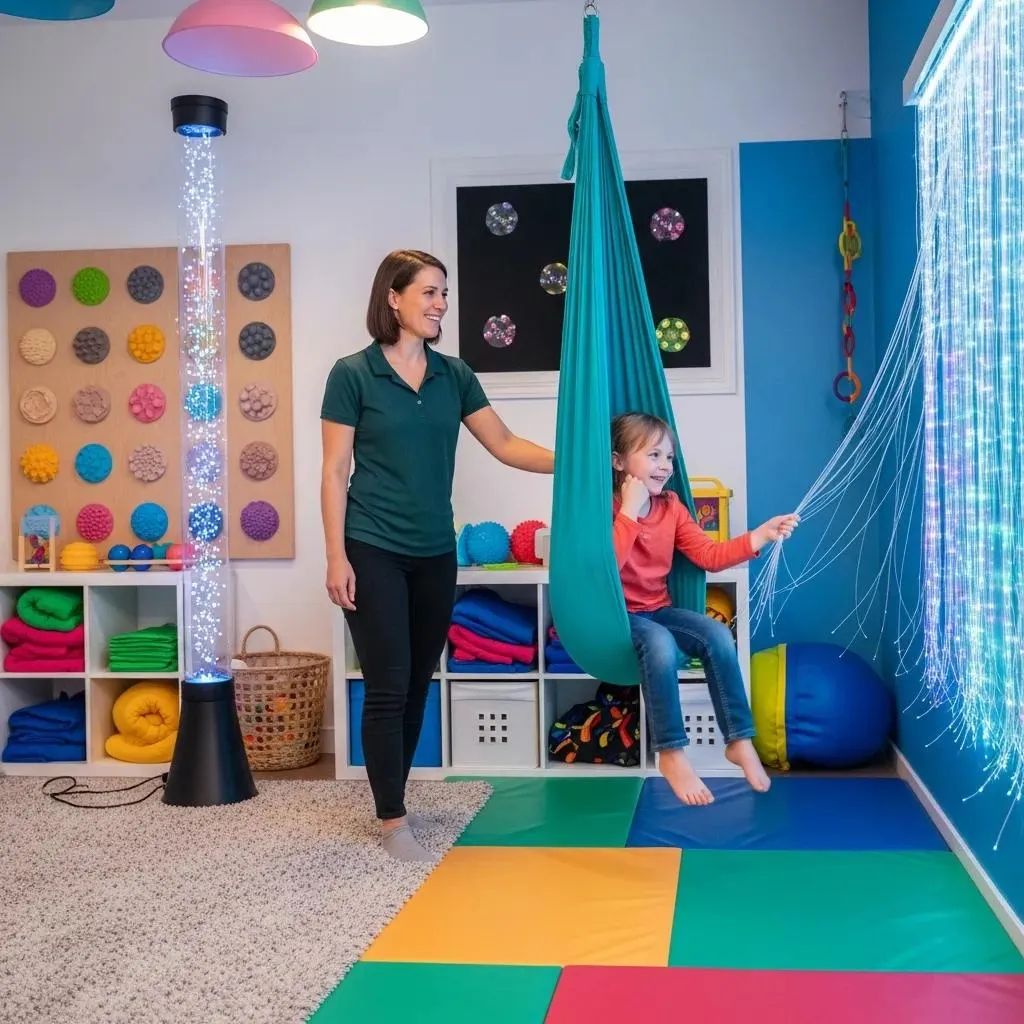
During your first pediatric occupational therapy visit, your therapist will guide your child through playful, child-led activities to help them feel comfortable. You’ll notice the therapist watching your child play, move, and communicate to understand what supports are needed. By the end of the visit, you’ll start to see how therapy can help your child grow, and together you’ll begin building a plan that fits your child’s unique needs.
Key Takeaways
- The first visit typically lasts 1-2 hours and involves a thorough evaluation of the child’s developmental history and current challenges.
- Caregiver interviews are conducted to gather insights into the child’s strengths, routines, and preferences, fostering collaboration in goal-setting.
- Standardized assessments, such as the Peabody Motor Skills Test, may be used to objectively measure developmental skills and identify areas of need.
- Observations during play-based activities will inform immediate therapy planning, ensuring engaging and effective treatment approaches tailored to the child.
- Families are encouraged to actively participate in the process, as their involvement enhances treatment effectiveness and aligns goals with family priorities.
What to Expect When Visiting a Pediatric Occupational Therapist
Identifying Developmental Concerns
When examining the diverse ways a child may express developmental concerns, it becomes crucial to identify specific indicators that could signal underlying issues. Families should look for motor skill delays in fine- and gross-motor tasks, which may include difficulties with balance or coordination. Sensory processing challenges may manifest as adverse reactions to textures or sounds, and some children may exhibit hypersensitivity that can lead to behavioral outbursts or avoidance.
Observing a child’s self-care skills, such as dressing or grooming, is also vital. Moreover, families should document developmental milestones and behavioral patterns. Parents often wonder, “Where can I find OT for kids in Brandon, Florida?” Seeking occupational therapy near me opens the door to targeted support, helping children navigate these challenges and thrive in their daily lives.
Additionally, it is essential to note that the evaluation process includes standardized tests and observations, providing a comprehensive insight into each child’s unique needs. Understanding sensory processing is key to effectively addressing these issues.
Customized Treatment Plan Development

Personalized treatment plan development in pediatric occupational therapy focuses on creating distinct goals that reflect each child’s exceptional strengths and areas for improvement. Family involvement is essential, as caregivers provide valuable insights that guarantee the plan is relevant and meaningful. By using evidence-based approaches, therapists can tailor their strategies to promote the child’s independence and skill development effectively.
Engaging in a caregiver interview ensures that the therapist gathers comprehensive background information to create a complete picture of the child. This approach aligns with the goal of enhancing self-help skills, which is vital for fostering independence in children’s daily routines. Moreover, active family involvement can significantly improve treatment outcomes by reinforcing therapeutic techniques at home and promoting a collaborative environment.
Individualized Goal Setting
Setting customized goals is a crucial step in developing an effective treatment plan for pediatric occupational therapy. During this collaborative process, therapists prioritize goals based on caregiver input and the child’s specific needs. This approach targets deficits while aiming for functional improvements that matter to the family.
Additionally, providing names and contact information for relevant individuals in the care plan fosters better communication throughout the therapy process. Incorporating sensory integration therapy can further enhance the effectiveness of the treatment plan by addressing specific sensory processing challenges. Tailored approaches based on each child’s unique developmental needs can significantly improve engagement and outcomes.
| Goal Focus | Objective Examples | Time Frame |
|---|---|---|
| Independence | Improve self-care routines | Short-term (3 months) |
| Motor Function | Improve fine motor skills | Long-term (6 months) |
| Sensory Processing | Develop coping strategies | Short-term (3 months) |
| Social Participation | Increase interactions with peers | Long-term (6 months) |
| Executive Skills | Improve organization and planning | Short-term (3 months) |
Family Involvement Importance
Tailored goal setting forms the foundation of pediatric occupational therapy, but the impact of family involvement cannot be underestimated in creating effective, highly personalized treatment plans. Family members offer crucial insights into a child’s routines, preferences, and challenges, enabling therapists to develop a truly bespoke approach. Documenting observations before the initial visit enriches the context surrounding developmental history.
Ongoing communication fosters trust and aligns therapy goals with family priorities, ensuring that strategies are meaningful and relevant. Moreover, parental engagement reinforces learning through consistent practice at home, promoting skill retention and confidence. Consistency is vital for progress in therapy, as it enables families to bridge the gap between the therapy room and daily life.
Educating and enabling families transforms them into proactive collaborators, enhancing the effectiveness of comprehensive therapy and creating a supportive environment for the child’s growth. Additionally, early intervention plays a crucial role in addressing developmental delays, allowing families to actively participate in fostering their child’s social skills development.
Furthermore, occupational therapy enhances sensory processing, promoting engagement in daily activities and fostering independence with tasks such as dressing and eating.
Evidence-Based Approaches
In pediatric occupational therapy, using evidence-based treatment approaches helps children make meaningful progress in ways that feel natural, playful, and connected. Each child has unique strengths and needs, so therapy should blend the proper methods to support development in communication, motor skills, sensory processing, emotional regulation, and independence. By combining proven strategies with a relationship-based mindset, therapists create sessions that feel supportive, engaging, and tailored to your child.
Evidence-Based Pediatric Therapy Approaches
| Therapy Approach | What It Focuses On | How It Helps Children | Why Families Choose It |
|---|---|---|---|
| DIRFloortime | Emotional connection, shared play, and developmental growth | Builds social-emotional skills, flexible thinking, and stronger parent-child interaction | Great for children who learn best through play, connection, and relationship-based support |
| ABA (Applied Behavior Analysis) | Behavior patterns, communication, skill-building | Helps children learn new skills through repetition, reinforcement, and structured routines | Often chosen for children who benefit from clear routines and step-by-step teaching. |
|
DMI Intensive Therapy |
Short-term, high-frequency therapy focused on targeted goals | Accelerates progress by increasing session frequency over a short period | Helpful when families want faster growth in areas like handwriting, sensory regulation, feeding, or self-care |
| Traditional Occupational Therapy | Fine motor skills, sensory processing, attention, and daily living tasks | Supports handwriting, coordination, self-care, emotional regulation, and play skills | Ideal for children needing steady, well-rounded developmental support |
| Sensory Integration Therapy | Sensory processing challenges (sound, touch, movement, etc.) | Helps children stay calm, focused, and organized through sensory-rich activities | Great for kids who get overwhelmed easily or seek extra movement or sensory input |
Sometimes therapists may blend specific approaches, while other methods work best on their own, depending on what your child needs. This flexibility allows therapy to stay meaningful, motivating, and aligned with your child’s unique developmental journey.
Therapeutic Focus Areas

In pediatric occupational therapy, therapeutic focus areas are crucial for addressing a child’s distinct challenges. Key skill areas such as fine motor, gross motor, sensory processing, and daily living skills guide treatment goal alignment to improve comprehensive development. Utilizing child-led, play-based engagement techniques, such as those used in DIRFloortime, fosters a supportive environment where children can investigate and develop their abilities while enjoying the process.
Early identification enables timely intervention, which is essential for preventing developmental delays and supporting balanced growth.
Key Skill Areas
Understanding the key skill areas that pediatric occupational therapy focuses on is vital for fostering a child’s development and independence. These areas include:
- Fine Motor Skill Development: Enhancing small muscle control for tasks like writing and using utensils.
- Sensory Processing and Integration: Helping children regulate their responses to sensory stimuli for comfort and function.
- Self-Care and Daily Living Skills: Teaching independence in activities such as dressing, grooming, and toileting.
- Cognitive and Attention Skills: Improving significant cognitive functions, including problem-solving and focus.
Through targeted strategies and personalized support, occupational therapy helps children overcome challenges, thereby promoting greater autonomy and confidence in their daily lives. Families can feel hopeful knowing their child is receiving tailored guidance in these vital skill areas.
Treatment Goal Alignment
Alignment of treatment goals in pediatric occupational therapy is essential for facilitating meaningful progress in a child’s development. Goals are tailored to each child’s distinct needs, focusing on critical areas such as sensory processing, motor skills, self-care, social-emotional regulation, and executive functioning. For instance, sensory goals may improve a child’s tolerance of different textures and sounds, while motor goals aim to enhance their independence in daily tasks such as dressing and writing.
Each goal is measurable, allowing therapists to track progress through direct observations and assessments. By aligning therapeutic focus with family priorities and developmental milestones, therapists ensure interventions remain relevant and practical, ultimately enabling children to thrive in both home and school environments. A comprehensive evaluation through holistic assessment is essential for establishing a well-informed plan of care and setting appropriate goals.
Play-Based Engagement Techniques
Engaging children through child-led, play-based techniques is a powerful method in pediatric occupational therapy, fostering critical developmental skills. These methods combine fun and learning, tailored to each child’s distinct needs. Key therapeutic focus areas include:
- Integration of Free and Structured Play: Balances child-led imagination with rule-based tasks, improving problem-solving and social skills.
- Sensory Integration and Motor Skill Development: Activities support sensory processing and enhance coordination through tactile and visual stimuli.
- Social Skills and Emotional Regulation: Group games cultivate cooperation, patience, and emotional recognition in a safe environment.
- Cognitive and Language Development: Pretend play boosts narrative skills, while puzzles stimulate cognitive flexibility.
Such engaging experiences ensure therapy feels enjoyable, promoting both growth and a love of learning.
Play-Based Therapy Approach

Play-based therapy offers a dynamic and meaningful way to address developmental challenges in therapeutic settings. This structured approach utilizes play to target specific skills, including motor, cognitive, social, and affective development. By creating a familiar and playful environment, therapists harness children’s natural curiosity and motivation.
Activities such as sensory bins, obstacle courses, and pretend play improve sensory integration, fine motor skills, and social interactions. Therapists guide these activities, balancing child-led exploration with goal-focused objectives, using positive reinforcement to foster confidence. Research supports the effectiveness of play-based therapy, highlighting its ability to make therapy more enjoyable while enabling significant developmental progress in children.
Ultimately, this approach nurtures growth and independence in a supportive setting.
Family Involvement in Therapy
When parents actively participate in their child’s occupational therapy, the benefits extend far beyond the therapy room. Family involvement leads to significant improvements in different areas. Key advantages include:
- Improved child outcomes in behavior and communication.
- Enhanced parent-child relationships through shared activities.
- Increases in child flexibility and adaptability at home.
- Greater family wellbeing and harmony.
Occupational therapists emphasize family engagement during evaluation and treatment, encouraging parents to implement strategies for success. This collaborative approach not only strengthens families but also fosters a supportive environment. By involving multiple family members and adapting interventions to daily routines, parents can facilitate meaningful progress in their children’s development, affirming the crucial role they play in the therapeutic process.
Frequently Asked Questions
How Do We Prepare for the First Pediatric Occupational Therapy Visit?
Preparing is simple—dress your child comfortably and bring any essential reports, concerns, or questions you have. This helps your therapist get a clear, complete picture from day one.
What Happens During the First Pediatric Occupational Therapy Appointment?
During the initial visit, your therapist observes how your child plays, communicates, and responds to different activities. These observations help shape a personalized treatment plan tailored to your child’s developmental needs.
What Should We Bring to the First Occupational Therapy Visit?
For the initial occupational therapy appointment, families should bring crucial documents, the child’s medical items, comfortable clothing, and a list of developmental concerns. These preparations facilitate a supportive and productive environment for the child’s therapeutic path.
How Often Should My Child Attend Occupational Therapy?
Frequency varies based on your child’s evaluation, goals, and progress, but most children begin with weekly sessions. Your therapist will discuss a schedule that supports steady, meaningful development.
Does Insurance Cover Occupational Therapy?
Occupational therapy is generally covered by major insurance plans, including Medicaid, with requirements varying. Coverage may depend on age, prior authorizations, and medical necessity. Families should verify specific details with their insurance providers to ensure accuracy.
Can Parents Observe the Therapy Sessions?
Like a window into a child’s growth, parents often can observe therapy sessions, fostering understanding and collaboration. However, policies vary; some clinics may encourage observation, while others may restrict it to prioritize the child’s comfort.
What Qualifications Do the Occupational Therapists Have?
Occupational therapists typically hold a master’s or doctoral degree in occupational therapy, having completed rigorous coursework and clinical fieldwork. Many also pursue pediatric specialization certifications, enhancing their expertise and ability to support children and families effectively.
Conclusion
As you finish your first pediatric occupational therapy visit, we want you to leave feeling hopeful and supported. Every child grows at their own pace, and you are taking an excellent step by helping your child gain the skills they need. No matter what brought you here—sensory challenges, delays in fine motor skills, trouble with emotional regulation, picky eating, or difficulties with everyday routines—you are not alone.
Our therapists have worked with many families facing similar concerns, and we understand how big this moment can feel. We focus on building confidence through play, connection, and small wins that add up over time. With each session, you’ll begin to see new strengths emerge, and your child will feel more comfortable, capable, and ready for everyday challenges.
If you ever have questions—before therapy begins, after the first session, or anytime along the way—Skill Point Therapy is here for you. Reach out to us anytime you need guidance, reassurance, or support—our Tampa and Brandon teams at Skill Point Therapy are always here to help your child grow with confidence.
References
- https://www.skillpointtherapy.com/occupational-therapy-in-brandon/
- https://www.healthpro-heritage.com/pediatrics/brandon-fl/
- https://aaspeech.com/occupational-therapy-services/
- https://therapystation.com
- https://ptsbeyourbest.com
- https://www.amazingkidztherapy.com
- https://www.h2health.com/pediatric-occupational-therapy/
- https://fun4brandonkids.com/Health-Resources/Occupational-Physical-and-Speech-Therapy/
- https://www.kidsfirstservices.com/first-insights/what-to-expect-during-your-child-s-first-occupational-therapy-session
- https://napacenter.org/ot-evaluation/