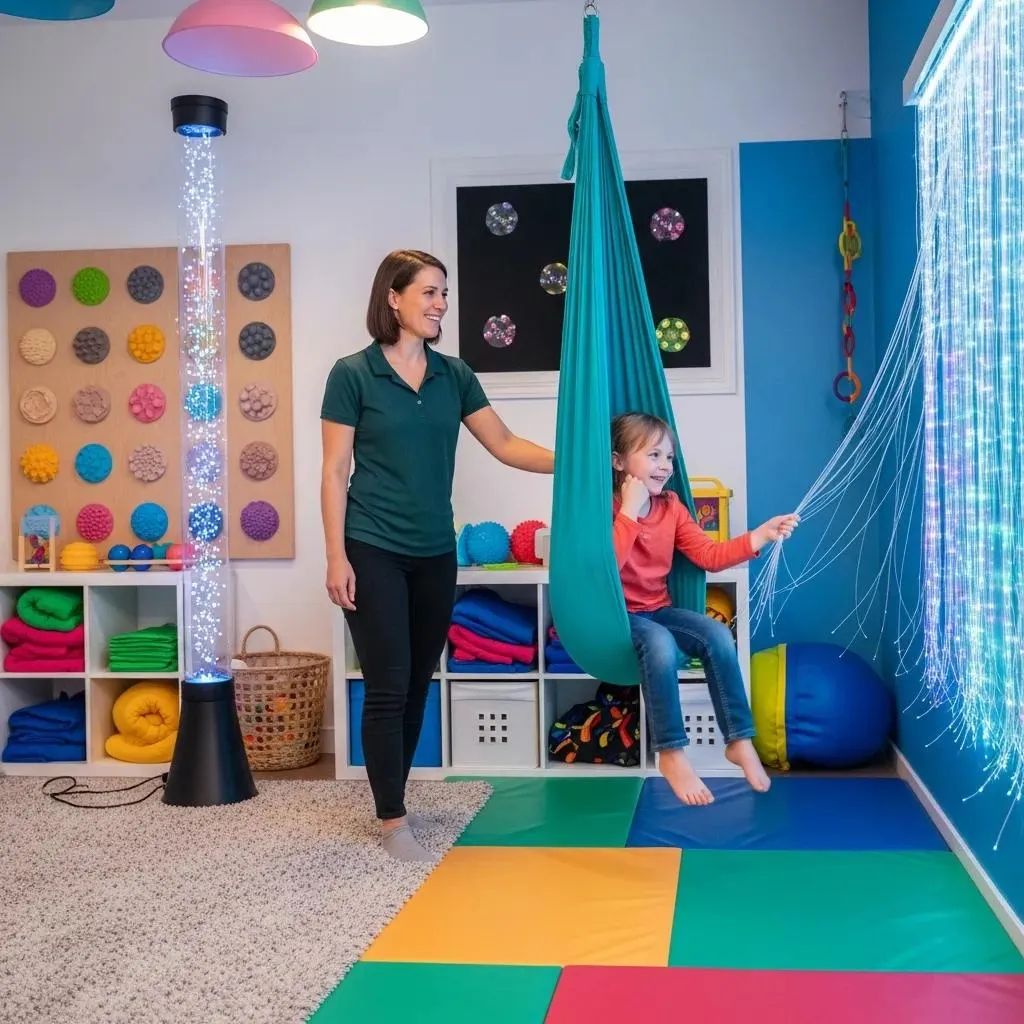

At Skill Point Therapy, we use child-led DIRFloortime and play therapy techniques that transform the way children grow and connect with the world around them. These methods provide children with the opportunity to express their feelings, build confidence, and foster stronger relationships in a safe and supportive environment. Parents often report that their children look forward to every session, which demonstrates the engaging and enjoyable nature of therapy.
Play therapy techniques that promote development include role-playing, sensory play, and non-directive activities that allow children to take the lead. For example, a child might use puppets to act out feelings they can’t yet put into words, while another might use games to practice patience and turn-taking. These child-friendly methods foster emotional resilience, teach problem-solving skills, and promote the development of lasting social skills.
Research shows that play therapy supports real progress, with studies finding that more than 70% of children experience positive change after consistent sessions. These improvements often manifest in both home and school settings, where children communicate more effectively, manage their emotions more calmly, and form stronger connections with others. At our Tampa and Brandon offices, we’ve seen these transformations firsthand and love working closely with families to support every child’s unique journey.
Key Takeaways
- Cognitive-behavioral strategies in play therapy promote self-awareness and foster positive behaviors in children, thereby enhancing their developmental trajectory.
- Non-directive play therapy encourages genuine self-expression, enabling children to articulate their feelings and process emotions in a safe and supportive manner.
- Role-playing and sand tray therapy offer creative outlets for emotional expression, supporting trauma processing and building resilience.
- Family-oriented techniques improve social dynamics, enhancing cooperation and communication skills among children through playful interaction.
- Sensory play facilitates emotional regulation, enabling children to navigate their emotional experiences better and leading to improvements in overall development.
The Therapeutic Nature of Play
Play, often regarded as the innate language of children, serves as a profound vehicle for therapeutic expression. In the domain of play therapy techniques, toys and materials transform into symbolic representations, providing children with the means to articulate feelings that may elude verbal expression. The choice of play items, guided by the child, boosts autonomy and fosters genuine self-expression.
This method offers a non-threatening environment to investigate anxiety, trauma, or developmental hurdles. By engaging in therapeutic play, children experiment with new behaviors and coping strategies, facilitating emotional release and processing. Such creative engagement not only nurtures self-esteem but also instills resilience, equipping children with crucial tools to navigate future challenges, thereby solidifying the significant connection between play and therapy in their development.
Additionally, therapeutic play serves as a vital medium for expressing feelings and emotions, crucial for addressing social, emotional, and behavioral disorders in children. Engaging in multisensory play enhances sensory skills, enabling better processing and integration of environmental stimuli.
Emotional and Behavioral Benefits of Play Therapy
Children engaged in play therapy often exhibit remarkable psychological and behavioral growth, revealing the profound impact of this therapeutic approach. By facilitating the recognition and expression of emotions, play therapy promotes improved self-regulation and reduces disruptive behaviors. Statistically significant declines in aggression and oppositional behavior underscore the effectiveness of this method in diverse environments.
Importantly, children use play as a means to process and express complicated feelings, enabling them to navigate their emotional landscape more effectively. Additionally, engaging in play therapy can enhance sensory processing capabilities, allowing children to respond more adaptively to their environment.
| Affective Benefits | Behavioral Benefits |
|---|---|
| Improved emotion regulation | Decreased aggressive behaviors |
| Better self-expression through play | Better compliance with instructions |
| Development of coping strategies | Lower symptoms of ADHD |
| Increased emotional intelligence | Improved attention span |
| Strengthened empathy and social skills | Comprehensive improved behavioral outcomes |
Through these life-changing outcomes, play therapy cultivates resilience, enabling children to thrive emotionally and socially.
Core Techniques in Play Therapy

Engaging in play therapy involves a diverse array of core techniques that cater to children’s heartfelt and developmental needs. Techniques such as cognitive-behavioral strategies integrate positive reinforcement and modeling, promoting desired behaviors while improving self-awareness through self-monitoring. Non-directive play therapy fosters genuine self-expression, allowing children to process complex emotions in a non-judgmental environment.
Structured therapeutic methods, such as role-playing and sand tray therapy, enable children to confront their fears and express emotions creatively. Furthermore, family-oriented techniques, including symbolic expression and group play, reveal social dynamics and improve interpersonal skills. Collectively, these core techniques create a supportive framework for children’s emotional resilience, facilitating growth and healing at their own pace.
This approach is efficient for emotion regulation among children aged 3 to 12, demonstrating its targeted impact during crucial developmental stages. Furthermore, the role of play therapy in emotional healing enhances children’s ability to navigate life’s complexities.
Play Therapy for Trauma and Emotional Processing
When traversing the complex landscape of trauma, play therapy emerges as a fundamental approach for fostering affective processing and healing. By integrating play therapy with Trauma-Focused Cognitive Behavioral Therapy, practitioners effectively minimize trauma symptoms in children aged 8-12, allowing them to express distressing experiences in a safe therapeutic environment. Child-Centered Play Therapy (CCPT) employs non-directive methods, enabling children to articulate feelings through selected toys, ultimately facilitating emotional understanding.
Tailored interventions, such as role-play and superhero play, help children externalize trauma-related feelings, promoting emotional regulation. As therapists use metaphoric tools and structured approaches, they foster resilience and coping strategies. Through play, children reclaim their narratives, making strides toward emotional recovery and development. Additionally, incorporating sensory play can enhance emotional regulation and support healing by providing children with safe avenues to explore their feelings.
Advancing Developmental and Social Skills Through Play

Play therapy serves as a dynamic platform for enhancing both physical development and social interaction skills in children. By engaging in structured activities, children not only refine their motor abilities but also cultivate crucial social competencies, such as collaboration and communication. This multifaceted approach creates opportunities for children to learn and practice skills in a safe environment, promoting holistic growth that extends beyond therapy sessions.
Through enhanced social skills, children learn to navigate social situations more effectively and express their emotions, resulting in improved peer interactions and friendships. Additionally, incorporating sensory integration techniques during play enhances emotional control and self-regulation, further supporting children’s overall development.
Physical Development Enhancement
As children navigate their developmental paths, integrating play into therapeutic practices becomes vital for enhancing physical development and social skills. Therapeutic play not only fosters motor skill acquisition through engaging, hands-on activities but also promotes exploration and coordination tailored to personal needs. Manipulating props in role-play enriches both gross and fine motor skills while enhancing proprioceptive awareness.
This method encourages children to tackle physical challenges in imaginative contexts, fostering independence and confidence. Furthermore, structured environments and specific toy selections encourage active participation, which is fundamental for refining movement. By embedding these strategies within therapy, practitioners can effectively support children’s physical rehabilitation, leading to improved independence, coordination, and overall physical well-being, ultimately fostering physical development.
Additionally, it is essential to acknowledge that play serves as a means for children to learn and develop motor skills, thereby strengthening the therapeutic benefits they receive in physical therapy settings. Engaging in activities like sensory exercises can also significantly enhance focus, movement, and emotional balance for children.
Social Interaction Skills
While engaging in play therapy, children discover a nurturing environment that fosters essential social interaction skills, laying the groundwork for future relationships and social interactions. This therapeutic approach significantly improves communication and emotional expression, enabling approximately 75% of children to articulate their feelings within a safe and supportive environment. Role-playing fosters essential conversation skills, while group sessions encourage empathy and adaptability, helping children navigate social cues effectively.
Furthermore, play therapy nurtures cooperation and teamwork, as roughly 70% of participants demonstrate improved abilities in sharing and joint problem-solving. By integrating structured challenges, cognitive-behavioral play therapy further equips children with the skills needed for constructive dialogue and emotional regulation. Additionally, understanding the emotional regulation difficulties linked to sensory experiences can enhance the effectiveness of therapeutic techniques.
Ultimately, these enriched social interactions lay the groundwork for healthier relationships throughout their lives, as play-based therapy fosters emotional regulation and resilience.
Evidence Supporting the Effectiveness of Play Therapy
Research consistently indicates that play therapy is not only effective in addressing different emotional and behavioral challenges in children but also fosters meaningful therapeutic relationships that improve these outcomes. Evidence suggests that the benefits of such interventions extend beyond immediate emotional relief, influencing long-term developmental trajectories. By examining the nuances of these findings, one can appreciate the profound impact play therapy has on a child’s comprehensive well-being.
In particular, the significant improvement observed in academic performance among children participating in play therapy highlights its role in enhancing overall development. Additionally, integrating sensory integration therapy techniques within play therapy can further support children’s emotional regulation and adaptive skills.
Research Findings Overview
The effectiveness of play therapy is underscored by a wealth of empirical evidence demonstrating its positive impact on children’s affective and behavioral development. Meta-analyses reveal a large effect size of 0.80, highlighting play therapy’s robust efficacy across diverse emotional and behavioral issues, including anxiety, aggression, and self-regulation. Techniques tailored to children, especially humanistic approaches, yield more favorable outcomes.
Moreover, group play therapy promotes communication and social understanding, thereby enhancing overall cognitive and emotional development. Evidence supports play therapy’s role in alleviating psychosocial stress in children with chronic illnesses and improving compliance with medical treatments. This body of research solidifies play therapy as a significant intervention for nurturing children’s developmental variations in the face of complex challenges, particularly as it can help address issues related to Sensory Processing Disorders.
Therapeutic Relationship Impact
Understanding the nuances of the therapeutic relationship in play therapy reveals its critical role in facilitating positive developmental outcomes for children. The dimensions of congruence, empathy, and unconditional regard have a significant influence on treatment efficacy. As therapists nurture these relationship qualities, children experience behavioral improvements, highlighting the profound impact of the bond.
Through play, children express feelings in a safe environment, building trust that encourages openness about distressing experiences. This nurturing atmosphere fosters emotional regulation and enhances communication skills, equipping children with the tools for effective self-expression. Meta-analyses emphasize the significance of the therapeutic relationship, underscoring its crucial role as a pivotal mechanism of change. Ultimately, the strength of this relationship is essential in cultivating resilience and supporting children’s emotional well-being.
Long-term Development Outcomes
While play therapy techniques can vary widely, their long-term impact on child development offers compelling evidence of effectiveness across multiple domains. Research indicates that child-centered play therapy has a particularly positive effect on academic achievement, especially in reading and mathematics, and sustains these beneficial effects through subsequent grades. Affective learning, fostered through play, correlates with improved cognitive performance, serving as a vital early intervention for at-risk students.
Moreover, play therapy has proven to be effective in trauma recovery, equipping children with essential coping strategies that extend into adulthood. Additionally, improvements in psychosocial functioning, including reductions in anxiety and the development of enhanced social skills, have been observed. Ultimately, play therapy emerges as a transformative tool in promoting resilience and holistic development across diverse life stages.
Frequently Asked Questions
Why Are Play Therapy Techniques That Transform So Important for Children?
Play therapy techniques that transform are essential because they use the natural language of play to help children grow emotionally and socially. By transforming everyday play into guided learning, these methods equip children with the tools to manage their emotions, foster stronger relationships, and thrive in both home and school settings.
How Long Does Play Therapy Typically Last for Children?
Typically, play therapy lasts between 20 and 30 sessions, though personal needs dictate the duration. Longer engagements often correlate with improved outcomes, emphasizing the importance of tailored approaches for each child’s distinct challenges.
What Age Group Benefits Most From Play Therapy?
Children aged 4 to 12 benefit most from play therapy, as this age range supports the development of crucial milestones. Engaging through play enables them to effectively express feelings, build social skills, and improve emotional regulation, fostering comprehensive growth.
Are Parents Involved in Play Therapy Sessions?
Yes, parents are involved in play therapy sessions, which helps enhance their understanding of their child’s psychological dynamics. This participation fosters stronger connections between family members, ultimately contributing to improved child development and healthier family interactions.
What Kinds of Toys Are Commonly Used in Play Therapy?
Familiar toys in play therapy include figurines, dolls, and miniatures that facilitate affective exploration, along with sensory materials like sand for tactile engagement. Art supplies, games, and puppets further enable children to express feelings and improve communication.
How Can I Find a Qualified Play Therapist?
To find a qualified play therapist, one should consult professional directories, such as the Association for Play Therapy, seek referrals from mental health professionals, and verify credentials that reflect rigorous training and focused child-oriented experience for adequate support.
Conclusion
Play therapy techniques that transform children’s lives extend beyond simple playtime—they equip kids with the tools to face challenges with confidence. By expressing emotions in creative ways, children learn to manage stress, foster stronger relationships, and discover joy in everyday interactions. Families often notice that these changes continue to grow long after sessions end.
With child-led DIRFloortime, therapy becomes an experience children look forward to, rather than something they resist. For instance, we’ve seen shy children find their voice during pretend play, and children who once felt frustrated learn to calm themselves with sensory activities. Each success builds upon itself, creating a foundation for lifelong growth.
If you’d like to learn more about how play therapy techniques that transform can support your child, we welcome you to reach out to Skill Point Therapy in Tampa or Brandon. Our team is here to answer your questions, discuss your child’s needs, and work closely with your family to build a brighter future.
References
- https://pmc.ncbi.nlm.nih.gov/articles/PMC8812369/
- https://pmc.ncbi.nlm.nih.gov/articles/PMC10328142/
- https://journals.sagepub.com/doi/10.1177/09731342241238524
- https://www.indwes.edu/articles/2025/07/integrating-play-therapy-techniques-in-child-counseling
- https://education.gsu.edu/cps/researchoutreach/play-therapy-training-institute/what-is-play-therapy/
- https://evidencebasedchildtherapy.com
- https://gsehd.gwu.edu/child-centered-play-therapy
- https://www.apa.org/pubs/journals/pla/sample
- https://www.heartwisesupport.org/post/the-impact-of-therapeutic-play-in-child-development-programs
- https://www.a4pt.org/page/PTMakesADifference/Play-Therapy-Makes-a-Difference.htm