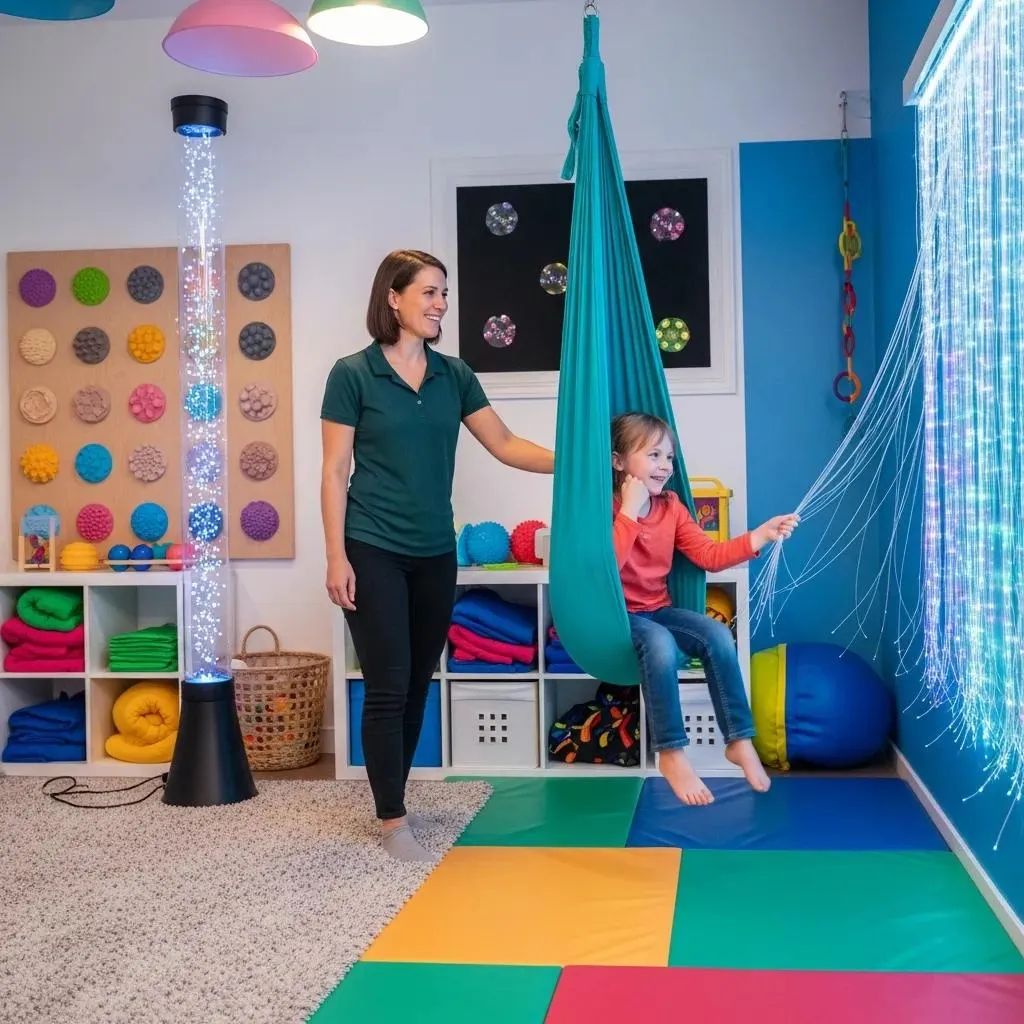

Body doubling for ADHD can make a big difference in helping children stay focused and complete tasks at home. This approach means your child works alongside someone who offers gentle support and encouragement — like a parent, sibling, or caregiver. Studies show that children are up to 65% more likely to finish tasks when someone is present to keep them engaged and accountable.
Parents can use body doubling for ADHD during everyday activities such as homework, cleaning their room, or organizing toys. When a supportive person stays nearby and participates in small ways, children feel calmer and more focused. This shared time helps children build confidence while turning challenging tasks into positive learning moments.
Creating a quiet, structured environment makes body doubling even more effective. Parents can limit distractions by turning off screens, setting a timer, and breaking activities into smaller steps. With patience and consistency, families can use this simple strategy to help children manage attention, build independence, and feel proud of their progress.
Key Takeaways
- Choose a family member or ADHD support partner to serve as a body double during focused task sessions.
- Implement structured work periods, utilizing the Pomodoro Technique for 20–90 minutes of focused activity.
- Create a distraction-free workspace tailored to your child’s needs, enhancing focus and productivity.
- Establish a consistent morning routine to minimize decision fatigue and enhance preparedness for the day.
- Incorporate brief check-ins and accountability measures during body doubling sessions to maintain engagement and motivation.
Understanding Body Doubling and Its Benefits
Although the concept of body doubling may seem simple, it can significantly improve the productivity and focus of people with ADHD. This self-help strategy involves completing tasks in the presence of another person, a “body double,” who acts as an anchor for attention and motivation. By providing a supportive presence, body doubling can markedly enhance task engagement and reduce distraction.
The psychological mechanisms at play include increased accountability and the calming influence of shared energy. As persons with ADHD may struggle with executive functioning, this approach fosters better time management and minimizes avoidance.
Additionally, many children with ADHD face co-occurring disorders, which body doubling can help mitigate by promoting emotional support and connection. Ultimately, body doubling not only bolsters task completion but also nurtures social connections, enriching the complete experience of tackling challenges. Additionally, body doubling may serve to reduce feelings of isolation and anxiety, further enhancing overall wellbeing.
Incorporating sensory integration therapy into body doubling activities can further improve focus and attention, supporting the overall effectiveness of this approach.
How to Implement Body Doubling at Home
Implementing body doubling at home introduces a groundbreaking opportunity for persons with ADHD to boost focus and productivity. Parents can improve their child’s home routines by exploring effective strategies that align with personal needs.
Body doubling at home offers a transformative way for individuals with ADHD to enhance focus and improve productivity.
- Choose appropriate body doubles, such as ADHD support group members, to maintain clear boundaries.
- Use 20–40 minute sessions with a visual timer or Pomodoro breaks to help older children and teens stay focused during independent work.
- Additionally, structured routines help cultivate predictability, which is essential for maintaining focus during these sessions.
- Prioritize specific tasks prior to sessions, focusing on one task at a time.
- Establish communication strategies with brief check-ins to reinforce accountability without fostering distractions.
Creating a Focus-Friendly Environment

Creating a focus-friendly environment is crucial for children with ADHD to thrive. By minimizing distractions, designating specific workspaces, and assisting with task selection, caregivers can foster an atmosphere that improves concentration and productivity. This supportive approach recognizes the distinct challenges faced by those with ADHD and aims to create a space where they can succeed.
One effective strategy is to implement soundproofing techniques to reduce noise distractions, providing a quieter atmosphere that enhances focus. Additionally, incorporating movement into daily routines can significantly improve focus and self-regulation skills. Establishing a consistent morning routine can also reduce decision fatigue, helping children with ADHD feel more in control throughout their day.
Minimize Distractions Effectively
How can persons with ADHD cultivate a space that fosters sustained focus amid inevitable distractions? Effective strategies involve creating a calm environment that minimizes sensory overload. Parents can implement distraction management strategies tailored for their children’s needs, focusing on sensory regulation techniques that support comfort and concentration.
- Reduce visual clutter to alleviate cognitive load and maintain attention. Additionally, enhanced sensory processing can significantly aid children in concentrating on tasks without becoming overwhelmed.
- Control auditory distractions with noise-canceling headphones or soft furnishings. Thoughtfully designed lighting and noise management strategies can increase productivity and reduce stress, creating a grounded learning environment. Additionally, creating predictable environments can further promote attention and reduce anxiety for children with ADHD.
- Organize spaces into clear zones to delineate activities and reduce task switching.
- Maintain stability in the environment to limit changes that might disrupt focus.
Designate a Work Space
A dedicated workspace can considerably improve focus and productivity for people with ADHD, providing a structured environment that minimizes distractions. Creating a practical workspace layout is crucial, as it allows for customization that caters to unique needs. Consider incorporating soothing colors, minimal decor, and ergonomic furniture to promote comfort and concentration.
Integrating natural elements like plants and ample lighting can improve wellbeing and support focus. Moreover, establishing quiet zones and private areas within the workspace can further reduce environmental noise and interruptions. By thoughtfully crafting a workspace that respects neurodivergent needs, parents can foster an atmosphere where their children can thrive.
Such actions not only elevate focus but also enable them to manage tasks with confidence. Environmental control is essential to create a consistent environment that supports cognitive function and attention span. Additionally, implementing strategies from occupational therapy can enhance self-regulation and boost productivity in children with ADHD.
Furthermore, incorporating regular physical activities into daily routines can significantly alleviate ADHD symptoms and improve overall cognitive functioning.
Help With Task Selection
While managing daily tasks can often feel overwhelming for people with ADHD, creating a focus-friendly environment can significantly improve task selection and execution. By creating a structured approach that considers personal task preferences, parents can facilitate better activity selection and completion.
- Break tasks into smaller, manageable segments to alleviate anxiety.
- Implement visual aids like checklists and color-coded schedules to improve clarity.
- Introduce consistent routines that reduce uncertainty and boost focus. Implementing a clear routine is essential for providing a sense of stability. Additionally, structured environments help manage daily challenges and foster positive behaviors.
- Utilize sensory adjustments, such as minimizing distractions and optimizing space for comfort.
These strategies not only promote effective task management but also foster a supportive environment where children feel encouraged to tackle their responsibilities.
Involving Family Members as Body Doubles

Involving family members as body doubles can considerably improve support for persons with ADHD by selecting those who can provide a calming presence and contribute positively. Scheduling dedicated time for focused activities fosters accountability and encourages productive interactions, creating a structured environment for engagement. By nurturing these dynamics, families can build a supportive framework that not only enhances task initiation but also strengthens bonds through shared experiences.
Research indicates that body doubling may not significantly impact performance or focus, which highlights the importance of refining implementation strategies to better suit individual needs.
Selecting Suitable Family Members
Selecting suitable family members to serve as body doubles can significantly improve the effectiveness of this strategy for persons with ADHD. By considering family dynamics and role suitability, caregivers can identify persons who complement the tasks at hand.
- Similar Task Engagement: Family members engaging in similar activities can boost focus through social facilitation. Body doubling involves working on a task alongside another person, either in person or virtually.
- Diverse Skill Sets: Different members offer distinctive strengths, like organization and time management.
- Consistency and Reliability: A stable presence reduces stress and supports a predictable environment.
- Role Modeling: Family members can demonstrate productive behaviors, providing examples to emulate.
Scheduling Dedicated Time
How can a structured schedule improve the effectiveness of body doubling for people with ADHD? Establishing fixed time slots for body doubling sessions instills routine and predictability, vital for enhancing executive functioning. Shorter, focused sessions of 25 to 50 minutes align with typical attention spans, while consistent scheduling fosters habit formation and smooths the shift into work mode.
Incorporating scheduling flexibility allows adjustments based on the child’s energy levels, yet maintaining time consistency remains significant. By clearly defining start and end times, ambiguity is reduced, which lessens task avoidance. Parents can further support their children by preparing tasks ahead of time, matching challenge levels to competencies, and ensuring a low-distraction environment to promote practical focus during these dedicated periods.
Moreover, consistent scheduling can significantly help address the high unemployment rates faced by adults with ADHD by instilling a stronger sense of routine in young individuals.
Encouraging Positive Interactions
While engaging family members as body doubles can greatly enhance focus and productivity for persons with ADHD, their involvement also fosters a nurturing environment that promotes accountability and motivation. These interactions can improve positive reinforcement and strengthen family bonding, positively impacting the person’s overall wellbeing.
- Cultivating a Sense of Belonging: Engaging with family helps people feel supported.
- Encouraging Accountability: Family members are motivated to stay on task.
- Introducing Novelty: Collaborating with loved ones makes routines more engaging.
- Modeling Productive Behavior: Family presence fosters the adoption of beneficial habits.
Through these positive interactions, families can create a supportive atmosphere that increases focus and nurtures healthy relationships, ultimately assisting individuals with ADHD in their daily endeavors.
Challenges to Consider With Body Doubling

Although body doubling can provide valuable support for people with ADHD, several challenges may arise that warrant careful consideration. Social anxiety and differing engagement levels can hinder focus, as some individuals might feel pressured or judged by their body double. Logistical challenges, such as finding a willing partner or managing scheduling conflicts, can complicate the process even more.
Task mismatch may render body doubling ineffective for certain activities, especially those requiring deep concentration. In addition, dependency issues might develop if individuals rely excessively on body doubles, potentially stunting the growth of tailored coping strategies. Moreover, interpersonal dynamics may blur relational boundaries, leading to discomfort or distraction.
Thoughtful evaluation of these factors is essential for optimizing the benefits of body doubling.
Future Directions for Research on Body Doubling
What potential advancements lie ahead for understanding body doubling in relation to ADHD? Future research promises to uncover crucial insights into the effectiveness of body doubling, focusing on diverse methodologies and applications. The exploration of these dimensions can help tailor solutions for those impacted by ADHD and other neurodivergent conditions.
- Investigating the role of virtual reality in enhancing body doubling experiences.
- Comparing the effectiveness of AI versus robotic body doubles.
- Understanding sociological factors influencing body doubling success.
- Examining neurotransmitter activation during body doubling sessions.
Such inquiries can significantly broaden the understanding of body doubling’s potential, ensuring that interventions are both practical and inclusive, ultimately fostering a supportive environment for persons and their families.
Frequently Asked Questions
How Can Parents Use Body Doubling for ADHD at Home?
Parents can use body doubling for ADHD by sitting with their child during tasks to provide calm, consistent support. The shared attention helps children focus longer and develop healthy work habits.
How Does Body Doubling for ADHD Work With Occupational Therapy?
When paired with occupational therapy, body doubling for ADHD enhances engagement and follow-through on therapeutic activities. This collaboration reinforces skill-building through teamwork, structure, and encouragement.
Can Body Doubling Be Effective for Children With ADHD?
Yes, body doubling can be very effective for children with ADHD. Having a calm, supportive person nearby helps them stay focused, complete tasks, and feel encouraged through shared attention and gentle guidance.
How Long Should Body Doubling Sessions Last?
For children, short sessions of about 20 to 40 minutes work best. This time frame supports focus without causing frustration or fatigue, allowing kids to stay engaged and feel successful.
What Types of Tasks Work Best for Body Doubling?
Homework, organizing toys, and getting ready for school are ideal activities for children to practice body doubling. These tasks offer great chances to build focus, independence, and responsibility while keeping the experience positive and rewarding.
Can Body Doubling Be Done Online Effectively?
Yes, body doubling can work well online for older children or students learning remotely. Video calls with teachers, tutors, or peers can provide the same sense of shared focus and encouragement that helps kids stay on track.
What Signs Indicate Body Doubling Is Not Working?
If your child becomes more distracted, frustrated, or dependent on constant help, body doubling may need adjusting. Parents can try shorter sessions, different activities, or extra breaks to find what best supports their child’s focus and confidence.
Conclusion
Body doubling for ADHD is a simple yet powerful way to help children stay focused and motivated at home. When parents take time to sit nearby, offer encouragement, or join in a task, it helps children feel supported and capable. These small moments of shared focus can turn everyday challenges into opportunities for growth and success.
References
- https://ccsc.org/centralplains/2025/talks/talk-poster16/
- https://chadd.org/adhd-news/adhd-news-adults/could-a-body-double-help-you-increase-your-productivity/
- https://arxiv.org/html/2509.12153v1
- https://www.medicalnewstoday.com/articles/body-doubling-adhd
- https://www.newportinstitute.com/resources/empowering-young-adults/body-doubling/
- https://health.clevelandclinic.org/body-doubling-for-adhd
- https://dl.acm.org/doi/full/10.1145/3689648
- https://pmc.ncbi.nlm.nih.gov/articles/PMC10156575/
- https://add.org/the-body-double/
- https://www.healthline.com/health/adhd/body-double-adhd