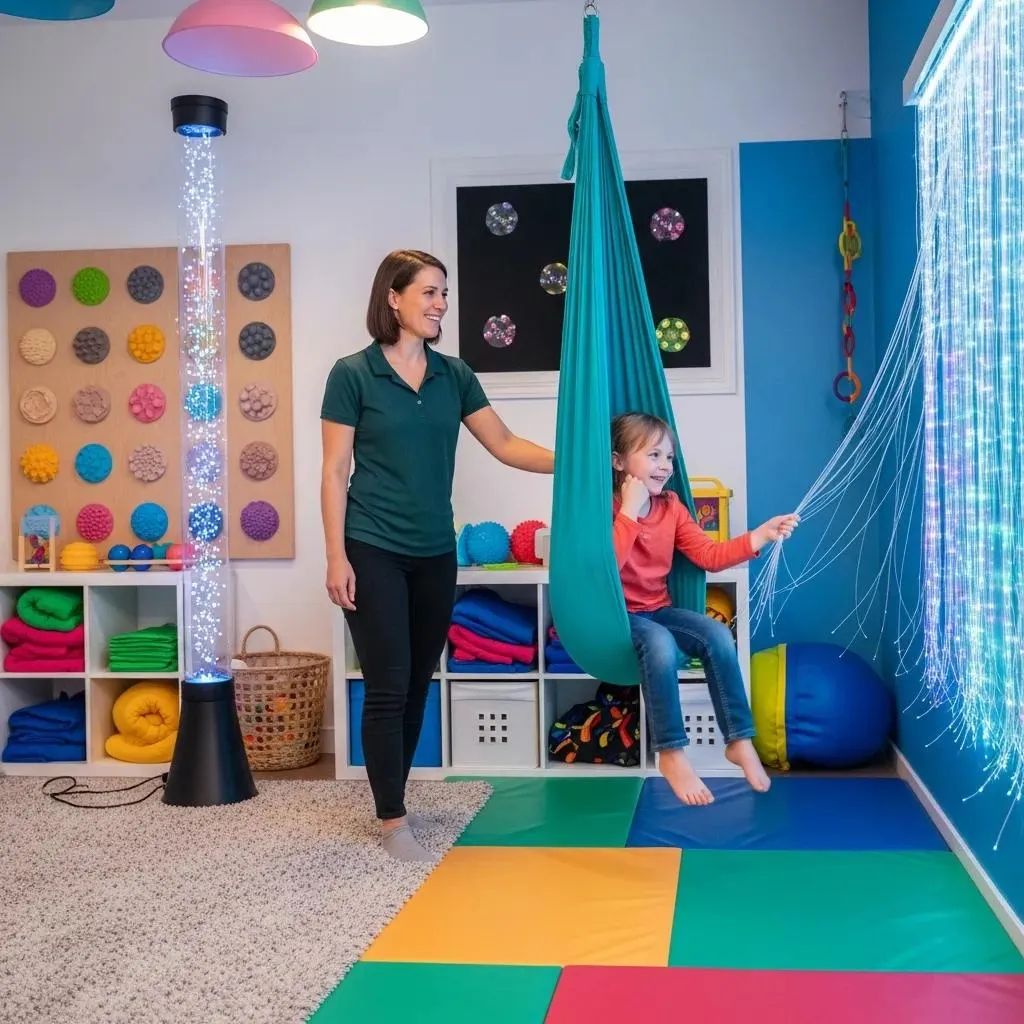

Fine motor skills are the building blocks for independence, and they play a significant role in helping kids learn to write. At SkillPoint Therapy, we know that when children develop stronger hands, better control, and boost their handwriting skills, they feel more confident in school and at home. Pediatric occupational therapy offers children engaging ways to practice, making it easier for them to develop and improve their handwriting skills over time. These activities are essential for helping kids improve their handwriting and foster independence.
Parents can start at any age with simple activities. For toddlers, activities like squishing playdough or stacking blocks help build finger strength. For older kids, using clothespins or practicing with buttons can make a significant difference in fine motor control, helping them improve their handwriting as they grow.
Research indicates that approximately one in four children may struggle with fine motor skills when entering kindergarten, which can impact both academic performance and self-care. The good news is that practicing pediatric OT-inspired activities at home makes learning fun and brings the family closer together. With DIRFloortime, parents can participate in these activities, fostering stronger family ties and improving communication while supporting their child’s success.
Key Takeaways
- Occupational therapy in Tampa and Brandon offers engaging activities to strengthen fine motor skills, promoting better handwriting in children.
- Integrate daily routines, such as buttoning clothes and zipping backpacks, to enhance children’s independence and fine motor precision.
- Use playdough and other tactile materials to develop hand strength and dexterity, which are crucial for practical writing skills.
- Collaborate with educators to embed fine motor activities into classroom settings, ensuring consistent skill development.
- Targeted OT interventions boost children’s ability to manage daily tasks independently, fostering confidence and self-sufficiency.
The Importance of Fine Motor Skills in Early Childhood Development
Fine motor skills serve as a vital foundation in early childhood development, especially during the preschool years when children are establishing their motor coordination and visual-motor integration abilities. Throughout ages 3 to 6, children achieve important motor skill milestones that significantly impact their cognitive development connections. Proficiency in fine motor skills improves academic outcomes, fostering self-control and cooperation in school settings.
Additionally, the ability to perform fine motor tasks is crucial to hand-eye coordination, which promotes independence in daily activities. Regular assessment of milestones is essential, as delays in fine motor skills can hinder cognitive functions such as reading and math, indicating a strong interplay between motor skills and mental capabilities. Supporting children in developing fine motor skills ultimately lays the groundwork for future success both academically and socially.
How Pediatric Occupational Therapy Enhances Fine Motor Skills
Occupational therapy plays a crucial role in enhancing fine motor skills, which are essential for children’s comprehensive development. By focusing on targeted interventions, OT supports improved academic performance and fosters greater independence in daily tasks. This multifaceted approach not only strengthens fine motor abilities but also promotes confidence and social engagement among young learners.
Poor fine motor skills can lead to frustration and decreased self-esteem, making OT interventions all the more vital. Additionally, monitoring fine motor skills development allows for early identification of potential delays, ensuring timely support for each child’s growth.
Fine Motor Skill Development
The development of fine motor skills is vital for children’s total growth, enabling them to perform daily tasks with ease and confidence. Pediatric occupational Therapy (OT) improves these skills through targeted interventions that enhance dexterity, grip strength, and hand-eye coordination. By focusing on sensory integration and motor planning, OT addresses fine motor challenges early, fostering greater independence and participation in activities such as self-feeding and dressing.
Engaging, play-based methods, such as block manipulation and puzzles, promote skill acquisition, while visual-motor tasks support coordination and fine motor skills. Additionally, early intervention plays a critical role in maximizing the effectiveness of these therapies to promote timely skill development. Research shows that addressing handwriting difficulties early can significantly improve academic performance and self-esteem.
Post-therapy outcomes consistently demonstrate improved motor precision and functional hand use, which in turn pave the way for better school readiness. Through collaborative approaches, OT guarantees that fine motor skills align with children’s everyday contexts, supporting their holistic development.
Enhanced Academic Performance
Numerous studies underscore the significant relationship between fine motor skills and academic performance, highlighting the critical role of targeted interventions in fostering student success. Pediatric occupational therapy (OT) emerges as a pivotal tool in improving fine motor abilities, thereby bolstering academic motivation. Through enhancing hand strength, finger dexterity, and hand-eye coordination, OT directly influences students’ writing skills and their general engagement in classroom tasks.
Fine motor skills are essential for handwriting, drawing, and performing daily academic tasks, preparing children for the classroom demands. Early diagnosis and intervention for ASD ensure that children receive the necessary support, further enhancing their fine motor development. These interventions utilize multisensory learning and repetitive practice to improve skill retention, thereby fostering a deeper understanding of fundamental academic concepts.
When collaboration between occupational therapists and educators occurs, fine motor strategies seamlessly integrate into classroom activities, yielding positive outcomes in literacy and math proficiency. Ultimately, this collaboration equips children with vital tools for sustained academic achievement.
Increased Independence in Tasks
Improving fine motor skills through targeted interventions significantly boosts children’s independence in managing daily tasks. Pediatric occupational therapy (OT) focuses on advancing fine motor precision, enabling children to perform fundamental activities such as dressing, grooming, and eating autonomously. By strengthening hand muscles and enhancing visuomotor integration, OT equips children with the coordination necessary for independent task execution.
This includes developing important grasp patterns that allow confident manipulation of objects. As children engage in tailored OT activities, they experience reduced reliance on caregivers, promoting greater participation in daily routines.
Additionally, understanding sensory processing disorder is crucial for recognizing challenges in mastering fine motor skills, which can further enhance children’s autonomy. Furthermore, improved motor planning facilitates the efficient completion of multi-step tasks, thereby enhancing self-sufficiency. In general, OT fosters an environment where children can thrive independently, gaining essential skills for both home and school contexts, while also improving their fine motor skills through playful and engaging activities.
Integrating Pediatric OT Activities Into Daily Preschool Routines
Integrating occupational therapy activities into daily preschool routines offers significant benefits for children’s development. By employing playful learning techniques and encouraging collaborative engagement between therapists and educators, these strategies foster vital skills in a natural context.
This approach not only enhances participation and independence but also promotes a supportive learning environment tailored to each child’s individual needs. Additionally, incorporating movement breaks into these routines can help maintain concentration and energy regulation. Engaging in sensory integration activities during these routines can further enhance children’s overall functioning and interactions with their environment.
Daily Activity Embedding
While navigating the bustling environment of a preschool, educators have a significant opportunity to seamlessly integrate occupational therapy (OT) activities into daily routines. This integration not only reinforces fundamental skills but also promotes independence among preschoolers.
Key methods for embedding OT activities include:
- Fine motor tasks during morning routines, such as buttoning jackets or zipping backpacks, improve dexterity and strengthen fine motor skills essential for handwriting development.
- Movement exercises during circle time that enhance coordination and self-regulation bolster visual-motor integration. Active engagement is crucial for enabling preschoolers to participate in these movement activities and improve their overall development.
- Practical tasks, such as snack preparation, encourage the manipulation of utensils, which is crucial for developing handwriting readiness.
Consistently incorporating these activities into the daily routine enables skill reinforcement, fostering both motor memory and engagement among children. Consequently, educators play a crucial role in shaping these foundational skills necessary for future learning and independence.
Incorporating playful learning into preschool routines makes every day both fun and meaningful for young children. Hands-on exploration and sensory play help young children develop the fine motor skills they need for independence and self-sufficiency. Activities like squishing playdough or exploring items in a sensory bin encourage touch, movement, and coordination—all key foundations for handwriting readiness.
These activities do more than build skills—they also help kids think, learn, and manage their feelings in healthy ways. They provide children with practice in sensory integration, which involves learning how to manage sights, sounds, and touch, allowing them to grow and develop with confidence.
| Activity Type | Benefits |
|---|---|
| Playdough Manipulation | Strengthens hand muscles and coordination |
| Sensory Bins | Encourages dexterity and hand-eye coordination |
| Finger Puppetry | Increases motor planning and hand strength |
| Creative Art Therapy | Refines finger dexterity in a fun context |
| Stacking Games | Promotes controlled hand movements |
Collaborative Teacher Engagement
How can collaborative teacher engagement significantly improve the incorporation of pediatric occupational therapy (OT) activities within preschool routines? By employing collaborative strategies, educators can effectively enhance fine motor skill development, facilitate the early identification of students who need support, and ensure alignment with occupational therapists’ developmental goals.
Key benefits include:
- Consistent skill development across school and therapy settings
- Regular teacher observations to monitor student progress and adapt strategies
- Shared understanding of unique child needs among educational staff
This team-based approach fosters increased motivation and engagement in children, making OT activities not just beneficial but integral to daily routines. Collaboration enables the smooth incorporation of OT strategies into classroom practices, ultimately promoting children’s independence and skill-building. Additionally, integrating fine motor training through OT activities can significantly enhance hand-eye coordination and overall handwriting quality.
Engaging Fine Motor Activities for Children
Fine motor activities play a crucial role in the development of children’s hand-eye coordination and dexterity. Engaging children in sensory exploration, manipulative play, and creative crafting can significantly improve their fine motor skills. Structured activities combined with therapeutic games provide engaging challenges that motivate children to enhance their abilities.
| Activity Type | Examples |
|---|---|
| Sensory Exploration | Finger painting, clay molding |
| Manipulative Play | Bead threading, coin sorting |
| Creative Crafting | Drawing, painting with stencils |
Each activity fosters vital skills, from visual-motor coordination to muscle strength, supporting children’s independence in handwriting. By incorporating diverse tasks, caregivers can holistically enhance fine motor proficiency in a fun and supportive way. Regular practice during mealtimes can help reinforce fine motor skills and ensure consistent improvement in dexterity.
The Impact of Fine Motor Proficiency on Handwriting and Independence

The development of fine motor skills has a significant impact on children’s handwriting legibility and their overall independence in writing tasks. Mastery of fine motor milestones is pivotal for overcoming handwriting challenges and improving overall performance. Key aspects underscore this impact:
Mastering fine motor skills is essential for enhancing children’s handwriting legibility and fostering their independence in writing tasks.
- Fine motor precision and grip strength directly correlate with handwriting legibility, enabling more transparent and legible writing.
- Visual-motor integration skills, strengthened through targeted activities, improve both speed and quality in handwriting.
- Engaging in structured fine motor training equips children with the necessary skills to effectively control writing tools.
These components stress the importance of fostering fine motor skills to support children’s handwriting abilities, ultimately promoting their independence in academic settings. Addressing these foundational skills early can significantly improve writing outcomes for all children.
Collaborating With Educators for Effective OT Programs
Teachers play a crucial role in helping children develop fine motor skills and achieve independence. When educators and pediatric occupational therapists collaborate, children receive consistent support across both home and school settings. This teamwork not only enhances classroom learning but also fosters stronger connections among teachers, students, and families.
Many teachers are surprised to learn how much occupational therapy can support handwriting, self-care, and classroom participation. Simple strategies—such as using adapted pencils, offering sensory breaks, or setting up play-based fine motor stations—make a significant difference in daily routines. With the addition of DIRFloortime techniques, these strategies become even more engaging, giving children meaningful ways to connect while they learn.
By gaining a deeper understanding of how OT and DIRFloortime work in tandem, educators can expand their toolkit and create a more supportive classroom environment. At SkillPoint Therapy, we encourage teachers in Tampa and Brandon to learn more about how DIRFloortime can enhance their approach. If you’re an educator looking to improve collaboration and achieve better outcomes for your students, please don’t hesitate to reach out today—we’d be delighted to share ideas and resources with you.
Establishing collective goals fosters ownership, ultimately leading to improved student outcomes. The table below highlights key areas for effective collaboration, emphasizing the impact on student growth and success.
| Focus Area | OT Contributions | Teacher Insights |
|---|---|---|
| Mutual Understanding | Builds teamwork and respect | Improves collaboration efforts |
| Clear Communication | Shares strategies for the classroom | Facilitates efficient planning |
| Goal Setting | Defines IEPs collectively | Increases ownership of interventions |
| Professional Development | Improves OT role awareness | Encourages learning OT strategies |
| Overcoming Barriers | Creates actionable solutions | Strengthens partnerships |
Frequently Asked Questions
At what Age Should Children Start Practicing Fine Motor Skills?
Children should begin practicing fine motor skills around 12 months, aligning with critical developmental milestones. Early intervention fosters skill refinement, enhancing coordination and independence as they progress through each developmental stage, leading up to school age.
How Can Parents Support Fine Motor Skill Development at Home?
Parents can improve fine motor skill development at home by incorporating sensory play into daily routines, such as using textured materials for manipulation. Engaging in creative tasks fosters dexterity and coordination while making learning enjoyable and interactive.
Are There Specific Toys That Promote Fine Motor Skills Effectively?
Effective toys for promoting fine motor skills include tactile toys that stimulate sensory exploration and building blocks that improve dexterity, coordination, and strength through engaging, hands-on activities that foster crucial developmental milestones in children.
How Often Should Children Engage in Fine Motor Activities?
How often should children engage in fine motor activities? Research indicates that practicing fine motor skills for at least 12 weeks can improve essential independence and coordination.
How do OT activities help kids boost handwriting?
Occupational therapy activities target the small muscles in the hands and fingers that are essential for writing control. By combining strengthening exercises with creative play, children build the endurance and coordination needed for smoother, more confident handwriting.
What Signs Indicate a Child May Need OT for Fine Motor Skills?
Signs indicating a child may need occupational therapy for fine motor skills include difficulty with coordination, delayed self-care tasks, improper grip while writing, and struggles with sensory processing—all warranting a thorough skill assessment for appropriate intervention.
Conclusion
Fine motor skills are the little movements that make a big difference in a child’s life. When kids build control in their hands and fingers, they unlock more independence in school and at home. Occupational therapy turns everyday play into practice, helping children feel proud as they grow and gain confidence.
Parents can support these skills with fun, age-appropriate activities. For preschoolers, activities such as lacing beads or tearing paper into small pieces can help strengthen finger coordination. For school-age kids, using tweezers to pick up small objects or practicing cutting shapes with scissors helps build the control they need for better writing.
Studies have shown that strong fine motor skills in early childhood are linked to better academic performance later in life. At SkillPoint Therapy, we encourage families in Tampa and Brandon to try DIRFloortime techniques at home, as participating in these activities not only builds skills but also fosters family connection. If you’d like to learn more about how DIRFloortime can support your child’s fine motor development, contact us today—we’d be happy to guide you through the following steps.
References
- https://eric.ed.gov/?id=EJ1322481
- https://www.kidsfirstservices.com/first-insights/how-occupational-therapy-supports-fine-and-gross-motor-skills
- https://medica-musc.researchcommons.org/cgi/viewcontent.cgi?article=1013&context=muscotd-ppotd
- https://pubmed.ncbi.nlm.nih.gov/32204788/
- https://www.yourtherapysource.com/blog1/2020/02/16/school-day-fine-motor-skills/
- https://rtipress.scholasticahq.com/article/27914-the-multiple-benefits-of-motor-competence-skills-in-early-childhood
- https://nwcommons.nwciowa.edu/cgi/viewcontent.cgi?article=1406&context=education_masters
- https://www.nature.com/articles/s41598-024-79538-1
- https://pmc.ncbi.nlm.nih.gov/articles/PMC10969452/
- https://pmc.ncbi.nlm.nih.gov/articles/PMC9541226/