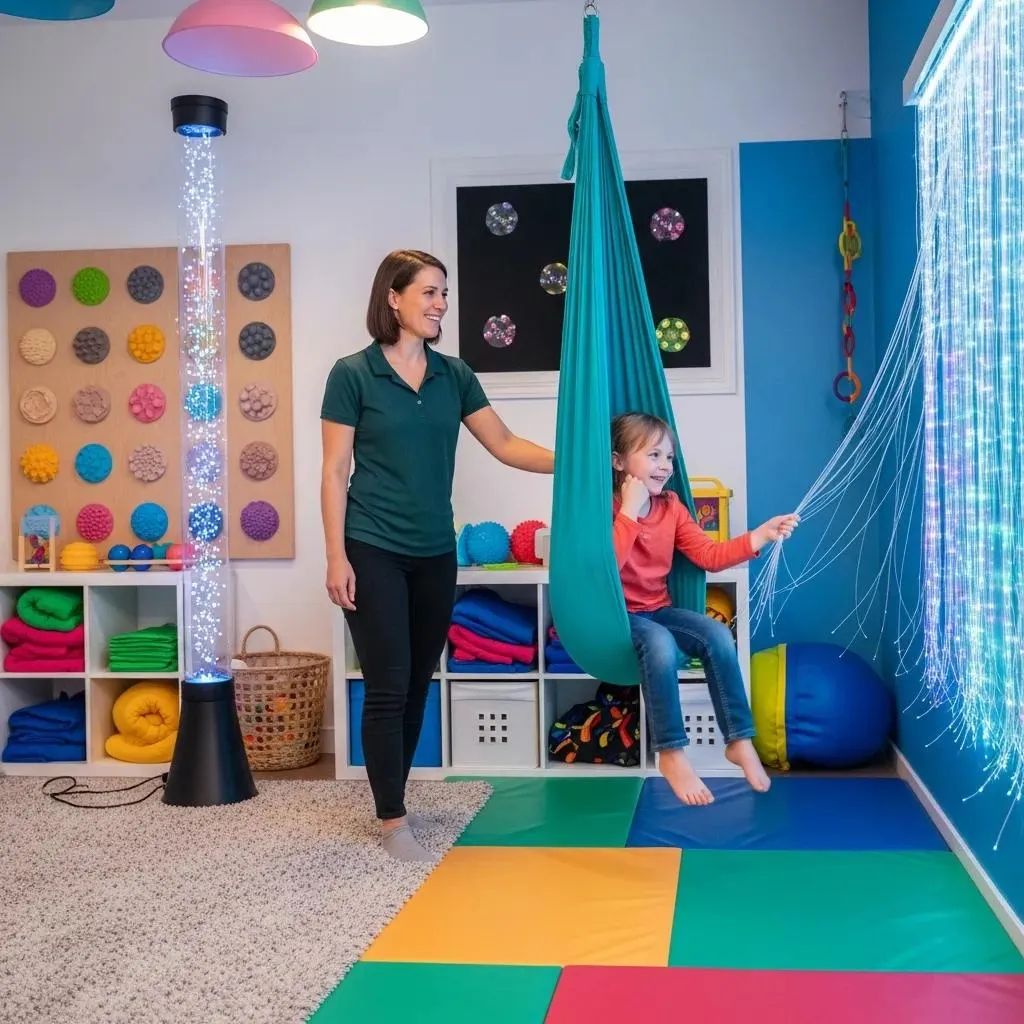

Helping children feel calm and secure at home often starts with simple sensory strategies for parents. Everyday activities like tactile play, movement exercises, and deep-pressure input can make a big difference in how a child manages emotions and responds to daily routines. When parents understand and apply these techniques, they create a home environment that feels predictable, peaceful, and nurturing.
Parental involvement doesn’t just make life easier—it strengthens a child’s ability to self-regulate and grow. By integrating small, consistent sensory activities into playtime or family routines, children learn to manage stress and transitions more effectively. These calm, sensory-rich experiences help children feel understood and supported in ways that build trust and confidence.
When a child is also receiving occupational therapy, these home-based sensory strategies for parents become even more powerful. Reinforcing therapy goals at home helps children generalize the skills they practice in sessions, leading to faster progress and longer-lasting results. Together, parents and therapists can create a holistic plan that supports each child’s unique sensory needs, emotional development, and overall wellbeing.
Key Takeaways
- Create sensory bins with materials like rice or sand to enhance fine motor skills and provide calming tactile experiences.
- Incorporate proprioceptive activities, such as deep pressure hugs or weighted blankets, for grounding and emotional regulation.
- Establish a consistent mealtime routine with visual aids to reduce anxiety and provide predictability during meals.
- Engage in outdoor activities and create a sensory garden to stimulate exploration through diverse textures, scents, and sounds.
- Foster social interactions by organizing cooperative play activities that encourage communication, teamwork, and conflict resolution among peers.
Create a Sensory Bin for Tactile Exploration
To promote tactile exploration in children, creating a sensory bin is an effective method that improves fine motor skills and sensory processing. Utilizing diverse sensory materials—such as rice, sand, or water beads—encourages activities like pouring, scooping, and sorting. These play ideas not only strengthen hand-eye coordination and finger dexterity but also boost grip strength, crucial for everyday tasks.
Incorporating tools such as tweezers and measuring cups can further develop different grasps needed for feeding and writing. Through tactile engagement, children activate their tactile systems, improving motor planning and body awareness.
Additionally, sensory bins can be tailored to address individual sensory needs, facilitating affective regulation and assisting children—especially those with sensory processing challenges—in maintaining calmness and focus during play. Engaging in sensory play creates opportunities for enhanced cognitive development and creative thinking. Moreover, structured activities within sensory bins can help improve focus by reducing overwhelming stimuli, which is essential for children with sensory processing difficulties.
Incorporate Proprioceptive Activities for Calming
Incorporating proprioceptive activities for calming can greatly benefit children experiencing sensory overload or difficulty with affect regulation. Proprioceptive input, such as deep pressure, provides a grounding effect, helping children to feel more organized in overwhelming situations. Activities like hugs, deep massages, and weighted blankets can be highly effective for affect regulation.
Engaging in heavy work or performing joint compression exercises, such as wall push-ups or knee bends, can also improve focus and attention. Furthermore, crawling or walking on balance beams promotes body awareness and coordination. Implementing these activities regularly within daily routines can support sensory regulation and ultimately enhance general wellbeing for children experiencing sensory processing difficulties.
Incorporating weight-bearing activities like crawling or push-ups as part of their daily routine can significantly bolster their sensory integration skills. Additionally, utilizing sensory tools such as weighted blankets and tactile aids can further enhance emotional regulation during these activities. For instance, using weighted blankets can provide deep pressure input, promoting calmness and aiding relaxation for children with SPD.
Establish a Consistent Mealtime Routine

Establishing a consistent mealtime routine serves as a crucial strategy in supporting children with sensory processing challenges, as it fosters predictability and reduces anxiety. Utilizing mealtime visuals, such as picture menus, can help children anticipate meals, improving their comfort. Portion control through small servings on divided plates prevents sensory overload while facilitating gradual exposure to new foods.
A calming environment, characterized by soft lighting and minimal noise, improves focus during meals. Sensory-friendly seating options, including adaptive chairs or supportive cushions, promote engagement. Implementing structured pre-meal activities like gentle swinging or oral motor exercises can prepare children psychologically.
Sensory integration is vital for helping children manage their responses to various textures and tastes. Additionally, engaging in multisensory experiences during meals can enhance a child’s willingness to explore diverse foods. Positive reinforcement and sensory exploration during meals encourage a healthy relationship with food, enabling children to thrive during mealtimes.
Use Weighted Tools for Deep Pressure Therapy
Weighted tools for deep pressure therapy are utilized to provide calming effects through deep pressure touch (DPT), which can markedly benefit children facing sensory processing challenges. These tools, such as weighted vests and calming blankets, offer a range of benefits, including:
Weighted tools for deep pressure therapy offer calming effects, significantly aiding children with sensory processing challenges.
- Improved mood and relaxation through neurotransmitter release.
- Enhanced sensory processing by providing proprioceptive input.
- Reduction of anxiety by lowering sympathetic nervous system arousal.
- Better sleep quality by mitigating hyperarousal effects.
- Increased attention span and affect regulation.
Research shows that sensory integration therapy can effectively promote emotional regulation and self-control, making these tools a valuable part of a child’s sensory diet. Additionally, incorporating sensory-friendly environments can further support children in managing their sensory needs. While personal responses may vary, incorporating weighted tools into routine sensory diets can help address specific needs.
Weighted vests can be particularly effective for children with autism, as they help manage sensory overload and promote emotional regulation. Parents should closely observe their children’s reactions and consult with occupational therapists to ensure safety and appropriateness in usage.
Design a Sensory Garden for Outdoor Engagement

Designing a sensory garden can significantly improve outdoor engagement for children, particularly those with sensory processing challenges. Effective plant selection is vital; incorporating diverse textures, scents, and colors facilitates sensory stimulation. Recommended plants include fragrant herbs like basil and mint, alongside visually engaging flowers such as sunflowers and daisies.
The garden should feature auditory elements, such as bamboo or seedpods, which provide natural sounds for aural exploration. Accessibility is fundamental, with inclusive pathways and seating to improve comfort. Engaging in sensory activities, like digging or harvesting, reinforces fine motor skills and cognitive development, while sensory-rich activities promote emotional regulation and foster social interaction.
Additionally, research highlights that engaging in sensory gardens ultimately promotes heartfelt wellbeing and social interaction among children. By incorporating educational components, the garden also fosters a deeper understanding of nature, reinforcing the importance of sensory integration in supporting emotional and cognitive growth.
Frequently Asked Questions
What Are Some Simple Sensory Strategies For Parents?
Parents can start by using tools like weighted blankets, deep-pressure hugs, or calm-down corners. These strategies create predictable, soothing moments that help children self-regulate and feel more secure at home.
How Can Sensory Strategies For Parents Support Occupational Therapy Goals?
When used consistently, home-based sensory strategies reinforce progress made in therapy sessions. They help children generalize calming and focus skills across different settings, accelerating overall developmental growth.
How Do I Choose Materials for a Sensory Bin?
To choose materials for a sensory bin, one should prioritize different textures, colors, and safety. Suitable selections include rice, beans, and dough, ensuring compatibility for a range of activities while promoting engagement and fine motor skill development.
What Should I Do if My Child Resists Sensory Activities?
To address resistance to sensory activities, incorporating sensory engagement techniques gradually helps overcome it. Tailoring experiences to personal preferences and employing positive reinforcement improves participation while fostering a supportive and understanding environment for the child.
How Often Should I Change Sensory Bin Contents?
To enhance sensory play benefits, sensory bin frequency should ideally follow a weekly rotation. Just as a garden thrives with diverse plants, regularly changing materials foster engagement, support skill development, and cater to evolving sensory needs.
Can Sensory Tools Be Used During School Hours?
Sensory tools can effectively be utilized during school hours to support students. Incorporating sensory activities within the school environment improves focus, self-regulation, and academic engagement, catering to diverse needs while promoting a positive learning atmosphere.
What Are Signs My Child Needs a Sensory Break?
Signs that a child requires a sensory break include evident sensory overload, such as irritability and distraction, alongside psychological distress. Implementing calming techniques can effectively mitigate these responses, promoting a more regulated psychological state.
Conclusion
Using sensory strategies at home can transform daily routines into opportunities for connection and growth. When parents take time to understand their child’s sensory needs, they not only reduce stress but also build stronger emotional bonds. A calm, sensory-friendly home helps children feel safe, confident, and ready to learn.
These approaches also enhance the benefits of occupational therapy by extending therapeutic concepts beyond the clinic. The consistency between home and therapy sessions allows children to apply their self-regulation and sensory processing skills in everyday situations, leading to lasting progress. With a bit of creativity and patience, parents can make a meaningful difference in their child’s development.
If you have any questions, specific concerns, or ideas about supporting your child’s sensory needs, contact Skill Point Therapy. Our caring team in Tampa and Brandon is here to help guide you toward effective, family-centered strategies that support your child’s success and wellbeing
References
- https://www.lumierechild.com/blog/at-home-occupational-therapy-activities-for-children-with-sensory-processing-issues/
- https://basaltherapies.com/how-occupational-therapy-can-help-children-with-sensory-differences
- https://thewayyousayllc.com/creating-sensory-friendly-routines-at-home-with-help-from-ot/
- https://www.prairiegrittherapy.com/grow-with-grit/create-sensory-environment
- https://occupationaltherapy.com.au/sensory-friendly-home/
- https://www.edutopia.org/article/diy-ways-meet-childs-sensory-needs-home/
- https://sensoryhealth.org/basic/home-activities
- https://autism.org/sensory-friendly-strategies-at-home-p2/
- https://research.aota.org/ajot/article/77/Supplement 3/7713410230/25035/Sensory-Integration-Approaches-for-Children-and
- https://www.wondirfulplay.com/blog/sensory-bins-for-toddlers-how-does-it-work