
Many children in the Tampa area experience speech sound challenges that can make communication harder at home and in school. These challenges can include articulation errors, phonological process disorders, or difficulty putting sounds together clearly. Early help matters because research shows boys are affected at higher rates than girls.
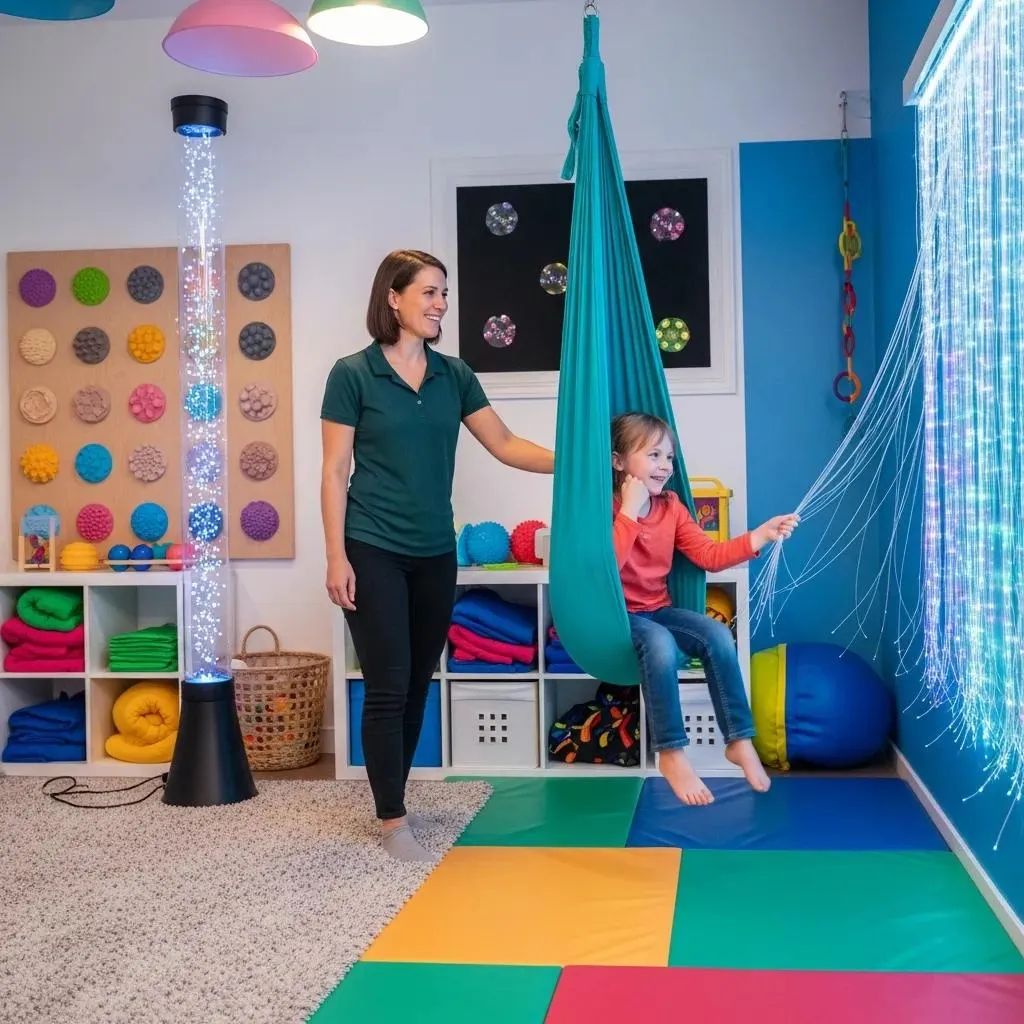
Parents and teachers can learn the basics of childhood speech disorders so they know when to reach out to a speech therapist. A child-led, playful approach, like DIRFloortime, often works best because it builds trust, connection, and fundamental communication skills. When therapy feels like play, children stay engaged and gain confidence as they practice new sounds.
Child-led therapy looks different from drill-based practice, and the difference is easy to see. For example, instead of repeating a sound at a table, a child might practice it while feeding a toy animal, racing cars, or building a tower. Instead of flashcards, the therapist may model sounds during pretend play or use turn-taking games instead of worksheets. These playful approaches are easy to use at home, and many families begin by searching for speech therapy near me to learn how to support their child with simple, everyday strategies.
Key Takeaways
- Recognize everyday speech disorders like stuttering and articulation issues, which affect a significant percentage of children aged 3-17 in the Tampa area.
- Early intervention is crucial; look for signs of delayed speech development or difficulty in sound imitation in your child.
- Speech disorders are more prevalent in boys, with younger children showing higher rates; be vigilant about language development milestones.
- Engage your child with rich language experiences through storytelling, play, and expressive interactions to support their communication skills.
- Seek local resources and speech therapy services in Tampa if you have concerns about your child’s speech development.
Understanding Childhood Speech Disorders
Understanding childhood speech disorders requires an extensive exploration of different conditions that affect a child’s ability to communicate effectively. Every day, speech disorders in children include articulation disorders, phonological process disorders, stuttering, dysarthria, and childhood apraxia of speech disorder, prevalent in areas like Brandon, Ruskin, and Tampa Bay. Articulation disorders often involve mispronunciations, whereas phonological disorders manifest as consistent sound pattern errors.
Stuttering presents as disfluency, and dysarthria results in unclear speech due to muscle weakness. These disorders can stem from a range of causes, including hearing loss, neurological issues, and structural abnormalities. Childhood apraxia of speech is particularly notable for its effect on speech coordination, making early intervention essential.
Recognizing signs such as delayed speech development and difficulty imitating sounds can lead to improved communication outcomes. Pediatric speech disorders in the Tampa area require compassionate understanding and support for affected children and families.
Prevalence of Speech Disorders Among Children
Research indicates that approximately 7.7% to 9% of children aged 3 to 17 in the U.S. experience communication disorders, with speech impairments alone affecting about 5%. Importantly, preschool-aged children exhibit the highest prevalence rates, ranging from 10% to 15% for speech sound disorders. Additionally, demographic factors reveal that boys are nearly twice as likely to be affected compared to girls, highlighting significant gender differences in the incidence of these disorders.
Awareness of signs and symptoms is vital for timely intervention and support. Early identification and intervention strategies can significantly improve outcomes for affected children, underscoring the importance of parents monitoring developmental milestones. Furthermore, hearing loss can delay speech development substantially if not addressed early.
Statistics on Speech Disorders
Speech disorders among children represent a significant public health concern, affecting a notable proportion of the population. Approximately 7.7% to 8.9% of U.S. children aged 3-17 are diagnosed with communication disorders, with speech sound disorders impacting 10-15% of preschoolers. By primary grade, about 5% of children exhibit marked speech issues, highlighting the prevalence of these disorders during critical developmental stages.
Recent reports show that speech and language diagnoses have risen sharply in the past few years, with more than 1.2 million children identified in 2022 alone. This increase highlights the importance of early recognition and therapy in helping children build strong communication skills. In the Tampa Bay area, resources such as AAC therapy in Ruskin give families helpful tools and support as they navigate these challenges.
Early intervention can make a meaningful difference by strengthening communication and reducing future academic hurdles.
Gender and Age Differences
Although significant gender and age differences exist in the prevalence of speech disorders among children, both factors play a critical role in understanding the impact on early communication development. Research indicates:
- Boys are diagnosed with developmental language disorders (DLD) at a 3:1 ratio compared to girls, often 10 months earlier.
- Late talkers aged 2-3 exhibit a 2.5-3:1 boy-to-girl ratio with language delays.
- At school entry, DLD prevalence narrows to a 1.3:1 gender ratio.
- Boys are 1.5-2 times more likely to receive speech therapy services despite similar prevalence rates among genders. Early intervention is essential for effectively addressing these disparities.
These disparities underscore the necessity for awareness and advocacy to support equitable access to resources for all children affected by communication challenges. Additionally, it is essential to note that boys with DLD often exhibit more conspicuous behavioral problems compared to girls. Limited early vocalization may also contribute to the speech challenges many children face.
Gender Differences in Speech and Language Challenges

Research indicates apparent gender differences in the prevalence and diagnosis of speech and language disorders among children. Boys are markedly more likely to be affected, with rates of disorders nearly doubling those seen in girls, and they also tend to receive diagnoses earlier. In addition, disparities in treatment and service provision highlight the need for greater awareness and understanding of these gender-specific challenges in speech-language development.
Language delay affects approximately 5 to 10 percent of preschool-aged children, underscoring the importance of early intervention for both boys and girls. Furthermore, addressing cognitive barriers can significantly enhance the effectiveness of interventions tailored for each child’s unique needs. Early intervention can yield an average IQ increase of 18 points, which is particularly beneficial for children with Autism Spectrum Disorder.
Gender Disparities in Prevalence
Gender disparities in the prevalence of speech and language disorders highlight significant differences in diagnosis and treatment between boys and girls. Research indicates the following trends:
- Boys are diagnosed with developmental language disorders (DLD) approximately 3:1 compared to girls, with specific disorders showing even higher ratios.
- Diagnosis for boys tends to occur about 10 months earlier than for girls, influencing access to timely interventions. Early diagnosis is essential for effective treatment and intervention, especially for children with communication challenges. Universal developmental screening can also play a critical role in identifying these disorders early on.
- Approximately twice as many boys are reported to experience speech and language disorders, often due to behavioral visibility.
- Underdiagnosis in girls may arise from subtler symptom presentation and social biases among clinicians and educators.
These differences underscore a pressing need for equitable evaluation and treatment strategies tailored to each child’s distinct communication needs, as approximately 8–9% of children have a speech-sound disorder by kindergarten.
Early Onset Differences
While early language milestones can vary considerably between boys and girls, the differences observed in speech and language development have meaningful implications for understanding early onset challenges. Research indicates that girls typically produce their initial words and word combinations earlier than boys, with averages of 95 words at 16 months compared to boys’ 25. Furthermore, girls demonstrate greater mastery of sentence complexity and grammar during toddler years.
Although most boys catch up by school entry, early gaps remain significant. Biological factors, such as hormonal influences and separate brain processing strategies, contribute to these differences. Caregivers’ interaction styles may also play a role; however, they are less impactful than previously assumed. Recognizing these variations is crucial to effectively supporting children’s language development.
Stuttering Incidence Comparison
Understanding early speech and language development reveals notable differences in the incidence of stuttering among children, particularly by gender. Research indicates varying patterns that impact males and females differently, highlighting the following key points:
- The male-to-female ratio approaches 2:1 at the onset of preschool stuttering but reaches 4:1 in older populations.
- Girls are more likely than boys to recover naturally from stuttering.
- Chronic stuttering develops more commonly in boys, with a ratio of 3.75 boys to each girl.
- Genetic factors reveal a significant male bias, with more substantial heritability observed in affected males. Studies have shown that genetic influences on stuttering may intersect with natural recovery and chronic stuttering.
These findings underscore the importance of early intervention and tailored support for children facing these challenges.
Age-Specific Patterns of Communication Disorders

Age-specific patterns of communication disorders reveal significant variations in prevalence and types of disorders among children as they develop. During early childhood (ages 3-6), communication disorders affect 11.0% of children, with speech problems being the most prevalent, impacting 41.8%. As children progress to early school age (ages 7-10), the prevalence decreases to 9.3%, yet speech remains the dominant issue. By late childhood (ages 11-17), prevalence drops to 4.9%, with language disorders becoming more prominent.
Gender differences show that boys are disproportionately affected, with a prevalence of 9.6% compared to girls at 5.7%. Moreover, racial and ethnic disparities highlight non-Hispanic black children experiencing the highest rates, emphasizing the need for targeted support and interventions. Early intervention can significantly improve treatment outcomes for children with communication disorders.
Types of Communication Disorders to Look For
Identifying different types of communication disorders is vital for early intervention and practical support for affected children. Parents and caregivers should be aware of the following disorders:
Recognizing communication disorders is crucial for ensuring timely intervention and support for children in need.
- Speech Sound Disorders: Affecting 8-15% of preschoolers, these include phonological disorders that hinder age-appropriate sound production.
- Language Disorders: Present in about 7% of children, these disorders impede the understanding and expression of language.
- Fluency Disorders (Stuttering): Typically manifesting between ages 2-6, stuttering can cause significant psychological stress and impact development.
- Motor Speech Disorders (Apraxia and Dysarthria): Affecting coordination and clarity in speech, these disorders can severely disrupt communication effectiveness.
Awareness of these types promotes timely assessment and treatment, helping children thrive in their social and academic environments.
Rising Speech Disorder Diagnoses Highlight the Need for Early Support

Recent data shows a sharp rise in speech disorder diagnoses among children, with rates more than doubling in 2022. The most significant increases were seen in infants and toddlers aged 0–2, followed by children aged 3–5, indicating that many young children are being identified with communication delays earlier than ever. Many early childhood programs also reported challenges in spotting developmental delays due to limited screening opportunities.
These findings highlight the growing need for careful attention, early evaluation, and strong support systems to help children build the communication skills they need to thrive.
Importance of Early Intervention and Treatment
Early intervention and treatment play a crucial role in addressing speech and language disorders in children, particularly when initiated during the formative years. The benefits of early action can significantly improve a child’s developmental trajectory.
- Improved Outcomes: Early diagnosis leads to more effective treatment, fostering better long-term academic and social success.
- Higher Recovery Rates: Children with expressive delays are more likely to recover when identified early.
- Enhanced Communication Skills: Early treatment can significantly improve speech clarity and social interaction skills.
- Prevention of Future Issues: Untreated delays increase risks of persistent learning and behavioral problems into adulthood.
Recognizing the importance of early intervention encourages parents to seek timely assessments and support, promoting healthier communication development for their children.
Accessing Speech Therapy Services in the Tampa Area

Speech disorders in children have been rising quickly in the Tampa Bay area over the past four years. Studies show that the number of children diagnosed with speech challenges has increased by more than 80% during this time. This means more families in Tampa, Brandon, and Ruskin are seeking help to support their child’s communication.
The most significant rise is seen in infants and toddlers aged 0 to 2, followed closely by kids aged 3 to 5. Many early childhood programs in Tampa Bay face challenges in finding all the children who need help because screenings are sometimes limited. As a result, some speech therapy clinics in Tampa, Brandon, and Ruskin have waiting lists due to growing demand.
Because of this increase, early evaluation and intervention are more critical than ever. Families who notice speech delays in their child should act quickly to get support. Finding the right therapy can help children build the communication skills they need to succeed at home and in school.
Supporting Your Child’s Communication Development
Supporting a child’s communication development requires intentional engagement and an understanding of key milestones in speech and language acquisition. Parents can foster development by focusing on the following strategies:
- Recognize the Stages: Familiarize with the perlocutionary, illocutionary, and locutionary stages to understand expressive and receptive skills.
- Engage in Rich Interactions: Utilize varied tones and sounds, along with responsive interactions, to improve auditory recognition.
- Encourage Gesture and Vocalization: Support infants’ early gestures and cooing as these are critical for initial communication.
- Provide a Language-Enriched Environment: Offer diverse and consistent language exposure to capitalize on the brain’s critical period for learning.
Through these methods, parents can effectively nurture their child’s communication skills, promoting a strong foundation for future language acquisition.
Frequently Asked Questions
What Causes Childhood Speech Disorders?
Many childhood speech disorders stem from a mix of developmental, neurological, or oral-motor factors. A speech-language evaluation helps determine the underlying cause and best treatment approach.
How Do Childhood Speech Disorders Impact Social Development?
Childhood speech disorders can make it harder for children to connect with, play with, and communicate with peers. Early support helps build confidence and smoother social interactions.
What Signs Indicate My Child May Need Speech Therapy?
Signs indicating a child may need speech therapy include limited vocabulary, unclear speech, difficulty forming sentences, social communication challenges, and oral motor issues. Early intervention can considerably improve speech development and general communication skills.
How Can I Support My Child at Home With Speech Issues?
To support a child’s speech issues at home, implement structured practice routines, engage in interactive communication, improve listening skills, utilize motivating resources, and provide positive reinforcement while collaborating regularly with a speech-language pathologist for tailored guidance.
How Can Pediatric Occupational Therapy Support My Child’s Speech Progress?
Pediatric occupational therapy helps strengthen the foundational sensory, motor, and regulatory skills that support precise and confident communication. When paired with speech therapy, OT can accelerate progress by improving attention, coordination, and engagement.
How Long Does Speech Therapy Typically Take to Show Results?
Speech therapy typically shows results within 3–6 months for articulation and voice disorders, while language disorders may take 6–12 months or longer. Person progress varies based on factors such as age, severity, and therapy frequency.
Can Speech Disorders Affect My Child’s Academic Performance?
Speech disorders can significantly impact a child’s academic performance, leading to lower grades, difficulties in reading and mathematics, and increased absenteeism. Improved severity correlates with poorer socioemotional functioning and challenges in classroom engagement and communication.
Conclusion
Speech challenges can feel overwhelming at first, but early recognition gives parents a strong starting point. With the proper support, children can learn to express themselves more clearly and confidently. Parents who understand these challenges are better prepared to guide their child toward steady progress.
Playful, child-centered techniques often help children feel relaxed and ready to practice new sounds. A child might practice a tricky sound while pretending to “order food” at a toy restaurant, while driving toy cars over picture cards that match their target sounds, or while playing a simple guessing game that encourages them to name objects out loud. These small, fun moments allow speech practice to blend naturally into everyday life.
If you have specific concerns about your child’s communication or want ideas you can use at home, we are here to help. Families in the Tampa and Brandon areas can contact Skill Point Therapy to speak with a therapist and learn which next steps might best support their child.
References
- https://www.kutestkids.com/blog/statistics-on-speech-and-language-disorders
- https://www.cdc.gov/nchs/products/databriefs/db205.htm
- https://www.nidcd.nih.gov/health/statistics/quick-statistics-voice-speech-language
- https://www.skillpointtherapy.com/child-stuttering/
- https://www.contemporarypediatrics.com/view/pediatric-speech-disorder-diagnoses-more-than-doubled-amid-covid-19-pandemic
- https://www.southflspeech.com/speech-facts
- https://www.frontiersin.org/journals/psychology/articles/10.3389/fpsyg.2023.1096145/full
- https://pubs.asha.org/doi/10.1044/2021_AJSLP-20-00310
- https://www.h2health.com/common-speech-and-language-disorders-causes-symptoms-and-treatment-approaches/
- https://www.mayoclinic.org/diseases-conditions/childhood-apraxia-of-speech/symptoms-causes/syc-20352045