
When sensory processing affects handwriting, writing can feel uncomfortable, tiring, or even stressful for a child. Pencils may feel “wrong” in their hand, paper may feel rough, and their hand may hurt long before the work is done. What looks like messy or rushed handwriting is often a child trying to escape discomfort, not a lack of effort.
Studies show that about 30% of school-aged children struggle with handwriting, and sensory challenges play a significant role in this. An occupational therapist can work on tactile sensitivity, which affects how a child tolerates touching paper and pencils. They can also address proprioception, the sense that tells a child how hard to press and how tightly to hold a pencil.
Occupational therapists also help with body awareness and posture, which support focus and writing stamina. Using child-led, playful approaches like DIRFloortime, children learn to feel calm and in control while building writing skills through movement and play. Many parents start asking questions after searching for occupational therapy near me, hoping to understand why writing is so complex and how to make it feel easier for their child.
Key Takeaways
- Sensory processing challenges can lead to discomfort during writing, affecting posture and grip, and directly impacting handwriting comfort.
- Heightened tactile sensitivity may cause children to avoid writing tasks, resulting in increased anxiety and reduced engagement in writing.
- Proprioceptive awareness is essential for grip strength and pencil control; deficits can result in discomfort and inconsistent handwriting quality.
- Sensory overload during writing can lead to frustration and decreased focus, further diminishing writing comfort and performance.
- Custom writing tools and sensory integration activities can enhance comfort by addressing sensory needs and improving handwriting-related otor skills.
Why Sensory Processing Affects Handwriting Comfort
When a child’s brain has trouble processing sensory information, writing can feel really hard. Sensory processing means how the brain takes in messages from the senses—like touch, movement, and pressure—and makes sense of them. If a child is overly sensitive to the feel of the pencil or can’t tell how hard to press, writing becomes uncomfortable and frustrating. This can make their hands hurt or tire quickly, even if they try their best.
Occupational therapy helps children learn to understand these feelings in their bodies better. BetterFun, child-led playful activities like those used in DIRFloortime, therapists create a safe and playful space where children can explore different textures and movements. This approach helps kids feel calm and in control, which makes writing less stressful. When children learn through play, they build the skills to hold a pencil correctly and write for longer without pain or frustration.
Parents often wonder why their child avoids writing or seems anxious about it. It’s not because the child doesn’t want to write—it’s because their brain and body need extra help to manage how writing feels. Occupational therapists near you can guide your child with personalized strategies that improve how they sense and control their hand movements. Over time, this support helps children gain confidence and enjoy writing more at school and at home.
The Neurological Basis of Sensory Processing and Its Impact
While sensory processing is a complex and multifaceted phenomenon, its neurological underpinnings play a significant role in how people experience and respond to sensory stimuli, particularly in contexts like handwriting. The brain regions involved, such as the cerebellum and primary sensory cortices, connect through intricate neural pathways to facilitate sensory integration. Variations in neurochemical activity, including cholinergic and noradrenergic modulation, heavily influence how sensory information is processed.
Furthermore, white matter integrity influences the structural organization of these connections, potentially leading to differences in sensory responsiveness. Sensory integration therapy can provide targeted support to address these sensory processing challenges, helping children improve their motor skills and overall performance in tasks such as handwriting. By understanding these neurological foundations, it becomes evident how sensory processing can affect handwriting comfort and performance, ultimately guiding interventions to support those facing challenges in this area.
Additionally, the interaction between brain state and sensory signals is crucial for understanding perception, underscoring the importance of brain state during handwriting tasks.
Tactile Sensitivity: Effects on Writing Comfort
Tactile sensitivity can significantly influence a person’s writing comfort and performance. Persons with heightened sensitivity often experience discomfort from tactile textures, such as rough paper or uncomfortable grips, which can affect their handwriting endurance and quality. This discomfort may lead to avoidance of writing tasks, exacerbating issues related to writing fluency.
Additionally, sensory overload can trigger stress responses, increasing anxiety and making typical handwriting activities feel overwhelming. Children with autism or ADHD frequently display these sensitivity issues, linking them directly to handwriting challenges. Research indicates that addressing tactile defensiveness through therapeutic interventions can markedly improve a person’s tolerance to different textures, enhancing overall writing comfort and performance.
Early intervention in managing these sensory sensitivities is vital for promoting practical handwriting skills. Engaging in everyday sensory activities can further support children in developing their comfort with various textures while enhancing their writing abilities. Understanding and mitigating these sensory sensitivities is vital for promoting practical handwriting skills.
Proprioception and Its Role in Handwriting Skills
Proprioceptive awareness plays a vital role in handwriting by influencing pencil grip and general writing mechanics. This sensory feedback allows people to fine-tune their pen pressure, maintain proper finger positioning, and coordinate wrist movements, which are fundamental to achieving legible, fluid handwriting. Engaging in fine motor skills activities can significantly enhance these skills, leading to improved handwriting performance and increased comfort during writing tasks.
Without sufficient proprioceptive input, students may struggle with grip strength and control, ultimately affecting their handwriting quality and comfort. Understanding sensory processing challenges is essential for developing effective sensory integration strategies to support handwriting skills.
Proprioceptive Awareness in Writing
A child’s ability to write legibly hinges considerably on their proprioceptive awareness. This awareness involves recognizing joint positions, hand angles, and grip pressure, which are essential for effective motor planning in handwriting. Engaging in proprioceptive exercises, such as using therapy putty or performing heavy work, can improve a child’s sensory input, leading to smoother writing movements.
Regular practice improves endurance and reduces cognitive load, allowing for automaticity in handwriting tasks. Children with stronger proprioceptive feedback often demonstrate better letter alignment and consistent spacing, leading to legible handwriting. Through targeted proprioceptive training, educators and caregivers can support improved writing skills, ultimately fostering a more comfortable and efficient writing experience for children.
Additionally, enhancing sensory integration in writing activities can further promote a child’s overall handwriting fluency and success. Implementing a sensory processing plan can help address individual challenges, allowing for a more tailored approach to improving handwriting comfort. Engaging children in fun challenges can also motivate them to practice their skills playfully.
Impact on Pencil Grip
A child’s pencil grip plays a significant role in handwriting comfort and quality. Proprioception helps the hand control pressure, movement, and endurance while writing.
- Proprioceptive feedback helps prevent holding a pencil too tightly or too loosely.
- Grip strength supports handwriting, but sensory awareness is just as important.
- Many school-age children struggle with handwriting due to poor grip stability.
- Proprioceptive challenges can make writing feel effortful and less smooth.
- Better grip pressure improves legibility and reduces hand fatigue.
- Hand-strengthening activities can significantly improve grip control.
Behavioral Responses to Sensory Processing During Writing

How does sensory processing impact behavioral responses during writing tasks? Children may experience sensory overload, leading to writing anxiety, which can significantly affect their engagement in writing activities. For instance, tactile sensitivity can lead to excessive pressure on the pencil, resulting in discomfort and messy handwriting.
Moreover, poor proprioceptive awareness may manifest as inconsistent letter sizes and ineffective posture. These challenges can lead to avoidance behaviors, where children resist writing tasks altogether. In addition, deficits in vestibular processing may lead to poor coordination, making it difficult for children to maintain stability while writing. Implementing targeted sensory integration strategies, such as occupational therapy activities, can help address these issues, fostering better handwriting comfort and encouraging positive behavioral responses during writing.
Addressing sensory issues can significantly improve handwriting performance and enhance children’s confidence in their writing abilities.
Emotional Effects of Sensory Integration on Handwriting
Responsive reactions to sensory processing challenges can significantly impact writing performance, often leading to increased anxiety and affective distress. Children who struggle with sensory integration may avoid writing tasks altogether, further compounding feelings of frustration and disengagement. Understanding the connections between sensory experiences and affective regulation is crucial for fostering a positive writing environment that encourages participation and confidence.
Acquisition of handwriting skills is vital for academic success, underscoring the importance of addressing sensory processing issues to facilitate better writing experiences for children.
Is Poor Handwriting a Motivation Problem or a Sensory Issue?
Many parents wonder if their child’s messy or reluctant handwriting is just laziness or a lack of effort. The truth is, it’s often not about motivation at all. When sensory processing affects handwriting, the child’s nervous system can feel overwhelmed, leading to writing that is uncomfortable, tiring, or even stressful.
This sensory overload can cause frustration, anxiety, or avoidance behaviors during writing tasks—not because the child doesn’t want to try, but because their brain and body are struggling to manage the sensations involved. Understanding this can help parents feel more patient and supportive as their child learns.
Occupational therapy, primarily using playful, child-led approaches such as DIRFloortime, helps children regulate their sensory systems and build the skills to write more comfortably and confidently. With the proper support, your child can go from avoiding writing to enjoying it, all without feeling pressured or misunderstood.
Anxiety and Writing Performance
Writing anxiety presents a significant challenge for people, particularly in the context of performance metrics related to written expression. The adverse effects of writing anxiety manifest prominently in numerous dimensions of writing quality, impacting overall effectiveness. Key effects include:
- Reduced syntactic and lexical complexity in writing tasks.
- Lower fluency and accuracy are influenced by genre or task type.
- Increased cognitive load diminishes focus.
- Impaired attention control, diverting resources from task relevance.
- A negative correlation between anxiety levels and essay quality in both argumentative and narrative forms. Writing anxiety is known to affect the complexity and fluency of writing performance significantly.
Understanding these dynamics can aid educators and practitioners in supporting those with writing anxiety, fostering environments that promote practical written expression and alleviate related psychological burdens.
Emotional Distress and Avoidance
Experiencing sentimental distress during handwriting tasks can considerably hinder a child’s ability to engage effectively with written expression. Sensory overload often exacerbates this sentimental distress, especially for children with tactile hypersensitivity. Frustration arises when difficulty processing sensory inputs, like pencil grip or texture, leads to feelings of irritability and avoidance.
Sentimental regulation challenges contribute to a tendency to evade writing-related stimuli, further limiting exposure to necessary practice for skill development. Children displaying sensory avoidance may struggle with corrections or become overly anxious about producing flawless letters. This avoidance can culminate in decreased willingness to engage with handwriting tasks, ultimately resulting in delays in both sentimental and academic growth.
Addressing these challenges through targeted interventions can improve sentimental stability and handwriting comfort.
Engagement and Task Refusal
Understanding how sensory integration impacts engagement with handwriting reveals critical insights into task refusal among children. Sensory processing difficulties can create significant barriers to task engagement, leading to increased frustration and avoidance behaviors.
- Sensory overload from writing tools exacerbates focus challenges.
- Tactile aversions to pen or paper textures hinder willingness.
- Motor restlessness often occurs during fine-motor tasks.
- A lack of adequate sensory input may result in poor motor planning.
- Positive sensory experiences correlate with improved task persistence.
Addressing these sensory integration challenges through targeted interventions can reduce task refusal, foster motivation, and create a supportive environment that encourages consistent handwriting practice. Emphasizing sensory-friendly strategies can improve children’s comfort and engagement in handwriting tasks.
Research-Based Interventions for Improved Writing Comfort
While handwriting can pose challenges, especially for children with sensory processing difficulties, research-based interventions provide practical strategies to improve writing comfort and skill development. Using multisensory techniques, such as tactile materials like sand and shaving cream, boosts engagement and supports letter formation. Kinesthetic activities, such as air writing on large surfaces, can strengthen motor patterns before fine-motor tasks. Adaptive tools, such as raised-line paper and weighted pencils, support spatial awareness and reduce fatigue. Incorporating sensory enrichment activities, such as soft hand massages, prepares the brain for writing tasks, while sensory fidget devices help maintain focus. Structured programs like Handwriting Without Tears exemplify a progressive approach, combining these elements to foster handwriting fluency and accuracy.
Occupational Therapy Approaches to Sensory Processing and Handwriting

Occupational therapy approaches to sensory processing and handwriting emphasize integrating sensory experiences to improve children’s writing skills. Effective strategies include:
- Tactile activities, like tracing letters in sensory materials, can improve awareness.
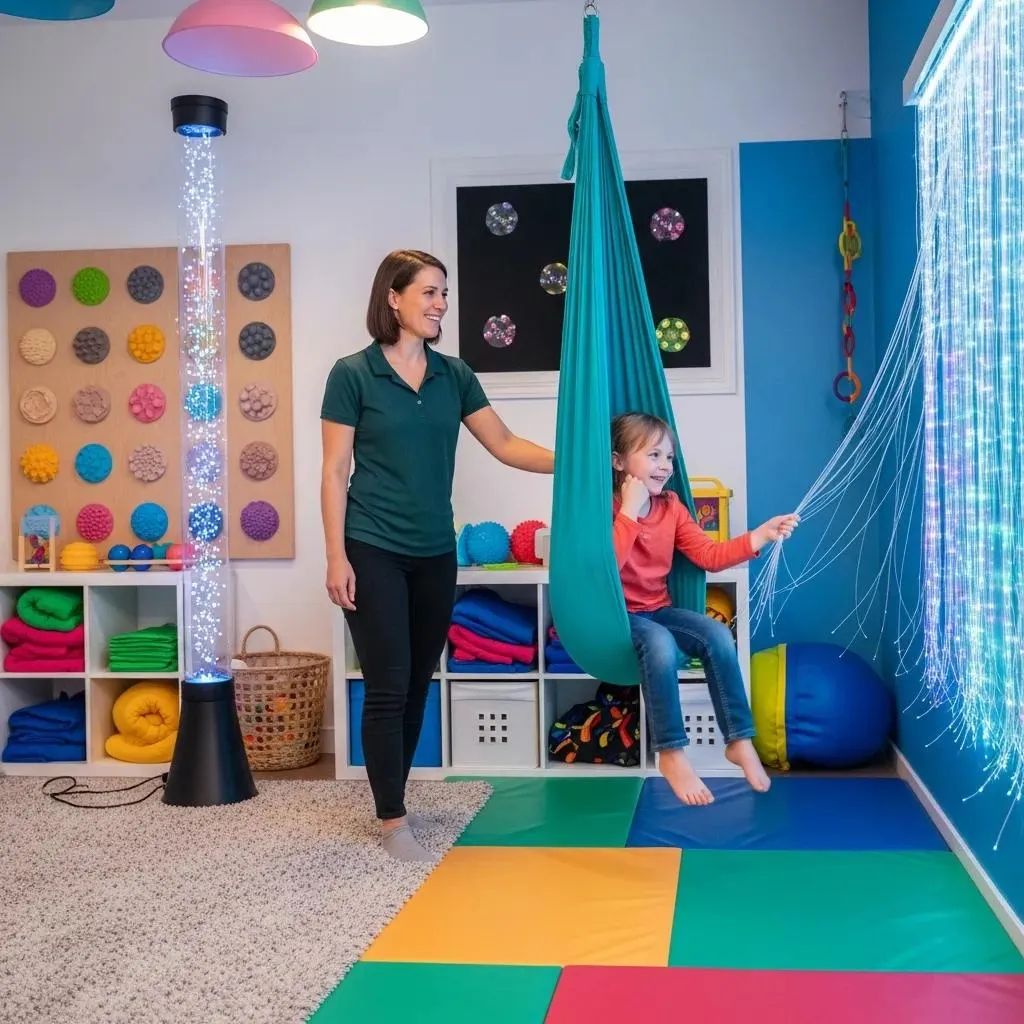
- Proprioceptive activities, such as swinging and joint compressions, are used to increase endurance and motor planning.
- Vestibular stimulation to aid posture control and visual focus.
- Visual-perceptual training in letter discrimination and spatial awareness is crucial for handwriting fluency.
- Collaborative strategies with families and educators to guarantee consistent support across settings.
These sensory strategies not only improve handwriting comfort but also promote comprehensive motor coordination, confidence, and sustained engagement in writing tasks, thereby facilitating better handwriting outcomes in children.
Customized Writing Tools for Enhanced Comfort and Performance
Tailored writing tools play an essential role in improving comfort and performance for people who face challenges with traditional writing instruments. Customized tools with personalized grips, molded to specific finger shapes, significantly improve grip and reduce fatigue during writing tasks. Weighted instruments provide vital proprioceptive feedback that supports sensory regulation, helping users maintain better pressure control while writing. Ergonomic designs with contoured shapes and soft materials further minimize strain, improving general comfort during extended use. Moreover, these tools can be adjusted in length and thickness to align with users’ hand sizes and sensory preferences. By promoting proper stabilization and motor planning, tailored writing instruments not only improve legibility but also foster a more enjoyable writing experience.
Frequently Asked Questions
How Can I Tell if My Child Has Sensory Processing Issues?
To identify sensory processing issues, observe the child’s behaviors, such as difficulty with textures, social interactions, or constant distractibility. A professional sensory evaluation can provide insight into their sensory challenges and needs.
Why does my child avoid writing when sensory processing affects handwriting?
When sensory processing affects handwriting, writing may feel scratchy, tiring, or stressful. Children may avoid writing to escape discomfort, not because they are unmotivated.
Why is my child’s grip too tight or too loose when sensory processing affects handwriting?
Sensory challenges can make it hard to judge pressure through the fingers and hand. This can lead to grips that cause fatigue, messy writing, or hand pain.
What Are Common Signs of Tactile Defensiveness in Children?
Like a delicate flower recoiling from the frost, children who exhibit tactile defensiveness often show signs of discomfort, including resistance to touch, anxiety during messy play, and affective dysregulation in response to sensory overload and heightened tactile sensitivity.
Can Sensory Processing Affect Other Academic Skills Besides Handwriting?
Sensory processing significantly impacts a range of academic skills beyond handwriting. Effective sensory integration improves attention, social interactions, and self-regulation, ultimately boosting academic performance in reading, math, and general classroom engagement.
How Does Anxiety From Sensory Issues Impact Learning Overall?
Anxiety from sensory issues manifests like a shadow, obscuring clarity and focus. This shadow creates learning challenges, as children struggle to concentrate and engage, ultimately hindering their academic progress and overall educational experience.
How Can Occupational Therapy Improve Handwriting Comfort?
Occupational therapy builds sensory regulation, hand strength, and body awareness through play-based, child-led activities like DIRFloortime. At Skill Point Therapy in Tampa, Brandon, and Ruskin, FL, we help children feel calm, confident, and comfortable when they write.
Are There Specific Daily Activities That Can Help With Sensory Integration?
Incorporating playful activities like obstacle courses and trampoline sessions alongside sensory tools such as fidget toys and textured materials can significantly improve sensory integration, fostering better focus, coordination, and general comfort in daily routines.
Conclusion
Before therapy, handwriting often feels like a constant battle. Your child may rush through writing, avoid homework, or melt down when a pencil comes out. Their hand gets tired quickly, letters look messy, and confidence drops as frustration builds day after day.
After therapy, the change can feel remarkable. Your child writes with a more relaxed grip, sits with better posture, and keeps going without hand pain or tears. Writing becomes calmer and more controlled, and your child begins to feel proud instead of overwhelmed, happier to participate at school and at home.
If this sounds like your child, Skill Point Therapy would love to help you understand what is driving these challenges. Our pediatric occupational therapists use child-led, playful DIRFloortime strategies to support handwriting comfort and confidence at our locations in Tampa, Brandon, and Ruskin, FL. Reach out today to discuss what you’re seeing and take the next step toward easier, happier writing for your child.
.
References
- https://focusflorida.com/occupational-therapy/how-sensory-processing-affects-learning-and-how-occupational-therapy-can-help/
- https://pmc.ncbi.nlm.nih.gov/articles/PMC9688399/
- https://autism.org/sensory-integration/
- https://www.sensoryintegrationeducation.com/pages/news-si-research-digest-october-2024
- https://www.nature.com/articles/s41599-025-05753-4
- https://www.spotsbunbury.com/post/why-sensory-processing-is-the-foundation-of-handwriting
- https://scholarworks.wmich.edu/cgi/viewcontent.cgi?article=2285&context=ojot
- https://www.medbridge.com/blog/handwriting-and-executive-functioning
- https://www.mendability.net/post/handwriting
- https://www.advancedtherapyclinic.com/blog/the-impact-of-occupational-therapy-on-handwriting-and-coordination