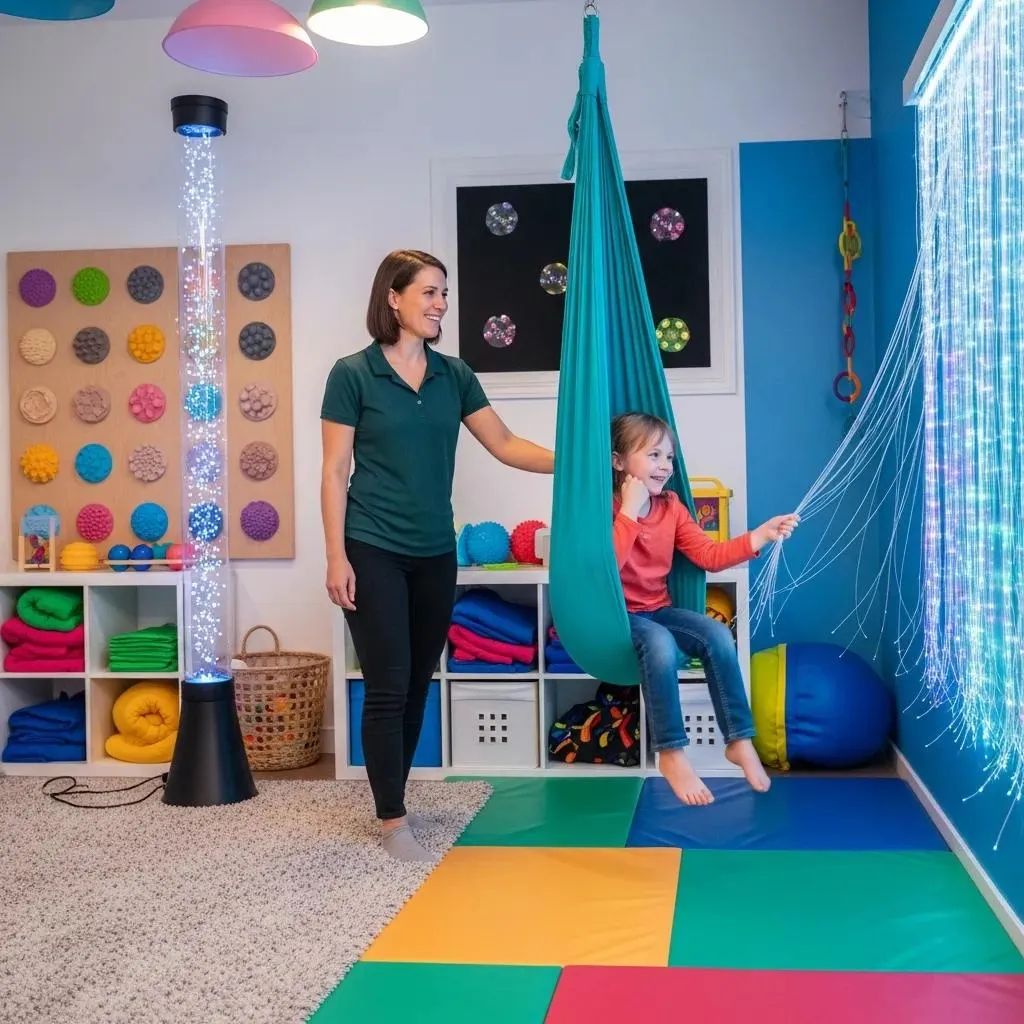

You might have noticed other children crashing into things, spinning around, or jumping up and down at the playground or mall. Now that you’re seeing your own child exhibit some of these same behaviors, it can feel overwhelming at times. Understanding sensory-seeking behavior is the first step to helping your child get the right kind of sensory input their brain needs.
Sometimes it may seem like crashing, spinning, or jumping would make a child more hyper or upset, but actually, these behaviors help them stay calm and focused. Common examples include crashing into cushions, spinning in circles, or jumping repeatedly on furniture—none of which are extreme but all of which indicate a need for more sensory input. These actions help children feel more balanced and aware of their bodies by giving their nervous system the stimulation it craves.
If you’re searching for “occupational therapy near me,” a pediatric occupational therapist can help your child through fun, child-led activities that meet their sensory needs. Using playful techniques such as DIRFloortime, therapists support children in learning to safely and comfortably regulate these urges. Learning from an occupational therapist can give you practical ways to help your child every day.
Key Takeaways
- Children who exhibit sensory-seeking behavior engage in actions such as crashing, spinning, or jumping to achieve optimal neurological regulation and body awareness.
- Sensory seekers have high thresholds for sensory input, requiring intense experiences to feel adequately stimulated and grounded.
- These behaviors often stem from underdeveloped neural pathways that diminish responses to typical stimuli, prompting the pursuit of heightened tactile and movement experiences.
- Environmental factors play a critical role, as overly stimulating or unengaging settings can trigger sensory-seeking behaviors in children.
- Structured and supportive environments help accommodate sensory needs, guiding children towards healthier engagement and emotional regulation through structured sensory diets.
Defining Sensory-Seeking Behavior
Sensory-seeking behavior is often misunderstood, but it shows that some children actively seek stronger sensory input to help their brains regulate better. In Tampa, many parents notice their kids crashing, spinning, or making loud noises because they need more intense sensations. This is sometimes called “sensory craving” and is part of a range of sensory processing differences.
Children with sensory-seeking behaviors often have a high sensory threshold, which means normal levels of input don’t register well. In Brandon and the surrounding areas, sensory seekers might prefer busy, noisy environments and actions like jumping or bumping into things to get the feedback their bodies need. Unlike sensory avoiders, who shy away from sensations, these children use sensory input to calm and organize themselves.
A personalized sensory diet can provide structured experiences that help children improve focus and emotional control. Pediatric therapy programs in Tampa and Brandon often include group activities that promote social skills and emotional awareness for sensory seekers. Understanding and supporting these behaviors can help children grow and thrive in all parts of their lives.
The Impact of Sensory Processing Disorders
Sensory processing disorders (SPD) greatly affect multiple aspects of people’s lives, particularly in children. Research indicates that approximately 16.7% of children experience sensory processing difficulties, creating significant barriers to daily functioning, including hypersensitivity to stimuli and poor fine motor skills. These challenges affect academic engagement, social interactions, and general emotional wellbeing.
As children with SPD often exhibit comorbid attention deficits, they may struggle with concentration and task completion, further impacting their classroom performance. Additionally, social development can be hindered by frequent emotional meltdowns resulting from sensory overload. Understanding these profound effects of sensory processing disorder is vital for caregivers and educators to provide appropriate support, fostering an inclusive environment that promotes each child’s growth and wellbeing.
Recent research has also shown a connection between SPD and sensory processing dysfunction in GI patients, which highlights the need for comprehensive approaches to address all potential underlying issues in affected children. Furthermore, early diagnosis and intervention can significantly improve outcomes for children with SPD, making it essential to seek expert care from trained professionals. Engaging in structured, play-based activities can also enhance sensory integration and support children’s development in various settings.
Neurological Factors Behind Sensory-Seeking

Neurological factors play a crucial role in the expression of sensory-seeking behavior, as individuals with high neurological thresholds often require greater sensory input to reach optimal arousal levels. Sensory-seeking kids usually show diminished neural responses to standard stimuli, leading them to seek intense movement and tactile experiences for self-regulation. Approximately 74% of children with autism exhibit significant differences in sensory processing, linked to underdeveloped neural pathways that affect their ability to register typical sensory inputs.
Furthermore, an imbalance in the autonomic nervous system may compel these children to engage in sensory-seeking behaviors as a form of compensation. By understanding these neurological factors, caregivers can better support sensory-seeking kids in their quest for ideal sensory experiences. Sensory integration therapy can provide adequate support for sensory processing difficulties, helping children develop more adaptive behaviors and emotional regulation strategies.
Moreover, the long-term benefits of sensory integration therapy can significantly enhance children’s overall functioning and social participation.
Common Behaviors Exhibited by Sensory Seekers
When persons with a propensity for sensory-seeking behavior engage with their surroundings, they often exhibit a range of distinct actions that reflect their heightened need for sensory input. Typical behaviors include jumping from furniture, climbing structures, and spinning without discomfort. Tactile investigation is evident through constant contact with diverse surfaces and through messy play with substances like sand.
Sensory integration therapy can provide structured activities that help channel these sensory needs constructively. Engaging in sensory activities enhances interaction with the environment, facilitates psychological regulation, and supports social interactions. Oral sensory seekers might chew on non-food items or frequently mouth objects.
Auditory stimulation may manifest through loud vocalizations or a fascination with specific sound frequencies. Finally, individuals often seek profound proprioceptive input, requesting tight hugs or using heavy objects. Sensory-seeking behaviors can arise from an imbalance in nervous system development, so caregivers should investigate tips for addressing these behaviors that provide safe and engaging outlets for these needs.
The Role of Environment in Sensory-Related Activities

The environment plays a pivotal role in shaping sensory-related activities and behaviors, particularly among those who tend to seek sensory stimulation. Children often engage in sensory input activities to achieve nervous system regulation, influenced by their surroundings. Key environmental factors include:
The environment significantly influences sensory behaviors in children, particularly those seeking sensory input for nervous system regulation.
- Stimulation Level: Overly stimulating or under-stimulating environments can significantly impact sensory-seeking behaviors. Effective sensory strategies can help children navigate these environmental challenges, particularly through structured sensory diets tailored to their individual needs.
- Natural Settings: Outdoor environments offer varied sensory experiences that support integration and self-regulation. Sensory-friendly environments are designed to reduce overstimulation, thereby further enhancing children’s ability to engage positively with their environment.
- Modifications: Quiet spaces and lighting adjustments help reduce agitation and improve focus. Incorporating sensory tools can further help create a calming atmosphere conducive to learning and play, ultimately promoting better emotional regulation.
- Predictability: Structured environments provide security, thereby decreasing sensory-related anxiety and promoting adaptive responses. This structure enables the effective implementation of individualized sensory diets tailored to a child’s unique sensory profile.
Awareness of these elements can enable caregivers to create supportive environments tailored to unique sensory needs.
Frequently Asked Questions
What does understanding sensory-seeking behavior really mean?
Understanding sensory-seeking behavior means recognizing that children actively seek sensory experiences to help their brains process and organize information.
Why Is Understanding Sensory-Seeking Behavior Important for Therapy?
Understanding sensory-seeking behavior helps therapists create personalized strategies that support children’s development and emotional regulation.
How Can I Reassure My Child During Sensory-Seeking Episodes?
To reassure a child during sensory-seeking episodes, one can provide consistent, calm verbal support, introduce soft sensory materials, and allow for safe exploration, ultimately fostering an environment where they feel secure and understood.
Are There Specific Activities to Support My Child’s Sensory Needs?
To support sensory needs, engaging in structured activities like heavy work, swinging, jumping, and tactile play can improve proprioceptive and vestibular input, fostering regulation and focus. Personalized sensory diets further enrich daily experiences and promote wellbeing.
Can Sensory-Seeking Behavior Affect My Child’s Social Interactions?
Yes, sensory-seeking behavior can significantly impact a child’s social interactions. Have they considered how such behaviors might disrupt connection and communication with peers? Understanding these dynamics is crucial for fostering social skills and meaningful relationships.
What Are the Long-Term Effects of Untreated Sensory Processing Issues?
Untreated sensory processing issues can lead to significant long-term challenges, including increased risks of anxiety, depression, social withdrawal, academic underachievement, and impaired functioning, ultimately affecting one’s general quality of life and affective wellbeing.
How Can I Communicate My Child’s Sensory Needs to Teachers?
Communicating a child’s sensory needs to teachers requires clarity, collaboration, and empathy. Detailed discussions about triggers, adequate accommodations, and ongoing communication foster understanding, ensuring the child’s learning environment nurtures their sensory processing and academic success.
Conclusion
Before occupational therapy and family support, children who seek out sensory input may feel frustrated, overwhelmed, or misunderstood. Their crashing, spinning, or jumping might seem like “out of control” behavior, making daily routines and social situations more challenging for both child and parent. It can feel exhausting not knowing how to help or why these behaviors happen.
After working with a skilled pediatric occupational therapist and learning strategies to support your child’s sensory needs, you’ll likely notice a big difference. Children often become calmer, more focused, and better able to manage their feelings. Their need for sensory input is met in safe, positive ways that improve body awareness, emotional regulation, and social interactions—helping them thrive at home, school, and beyond.
Research shows that about 1 in 20 children has sensory processing challenges, so you’re not alone in this journey. If you want to talk about your child’s unique behaviors or frustrations, please get in touch with Skillpoint Therapy. We’re here to listen, guide, and support your family with expert care rooted in compassion and evidence-based methods.
References
- https://pmc.ncbi.nlm.nih.gov/articles/PMC5340079/
- https://pmc.ncbi.nlm.nih.gov/articles/PMC9688399/
- https://www.healthyyoungminds.com/learn-about/sensory-seeking/
- https://www.ucsf.edu/news/2013/07/107316/archive-breakthrough-study-reveals-biological-basis-sensory-processing
- https://www.betterhelp.com/advice/childhood/understanding-your-sensory-seeking-child-methods-of-support/
- https://jamanetwork.com/journals/jamapediatrics/fullarticle/2707900
- https://www.news-medical.net/health/Sensory-Overload-vs-Sensory-Seeking-Causes-Symptoms-and-Treatment-Explained.aspx
- https://doublecareaba.com/post/sensory-seeking-vs-sensory-avoiding-in-children
- https://www.mastermindbehavior.com/post/addressing-sensory-seeking-behaviors-in-therapy
- https://www.handspringhealth.com/post/sensory-seeking-child-guide