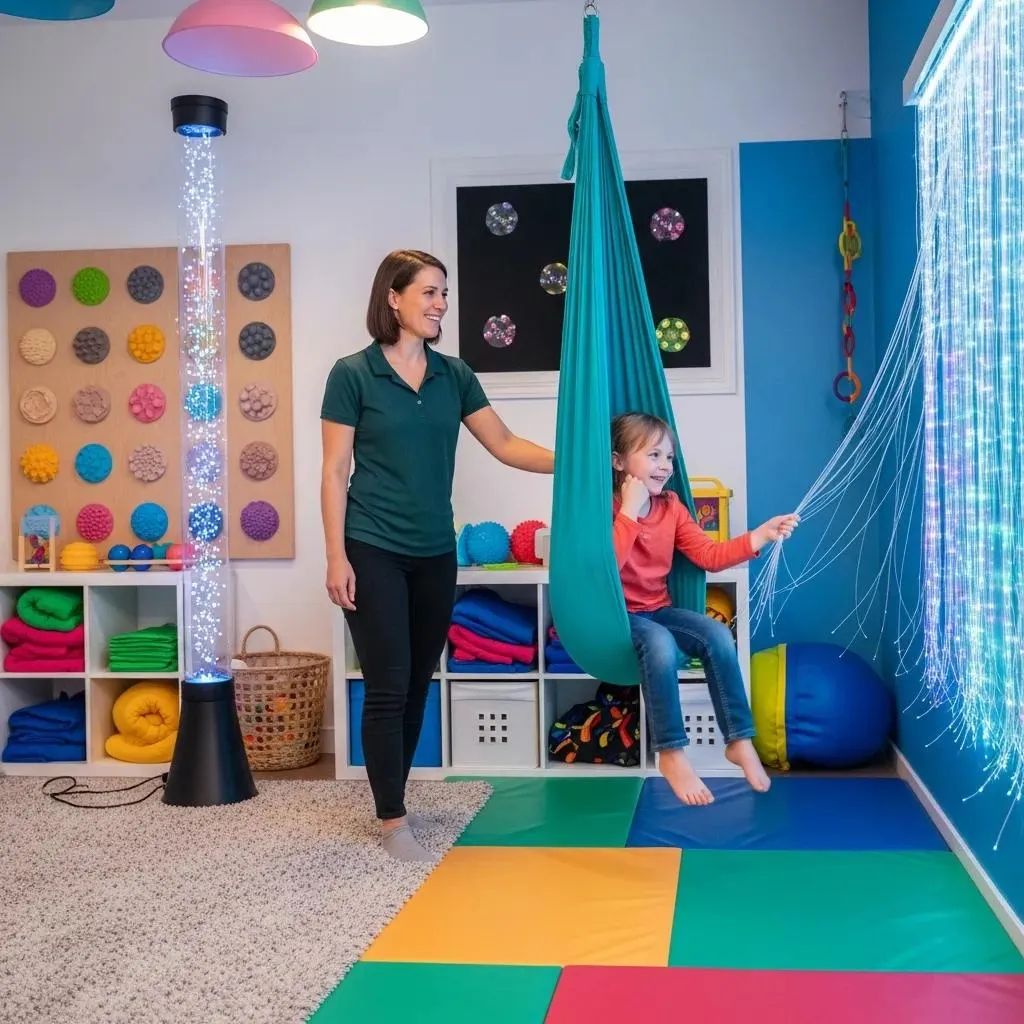

Pediatric occupational therapy is widespread, and most families feel more comfortable when they know what to expect. Your child’s first OT session should feel calm, welcoming, and clear, with no surprises. Therapists want you to ask questions so everyone understands the plan from the start.
During the session, your therapist will ask questions about your child, such as what activities they enjoy and what daily tasks feel hard for them. They may also ask about routines at school or home to build a complete picture of your child’s needs. When you understand why they ask these things, you can work together with confidence.
It’s also important to speak up if something doesn’t make sense. Asking how you can support your child at home is a great place to start, and with child-led, playful approaches like DIRFloortime, that support often fits naturally into everyday life. When everyone stays on the same page, your child’s therapy experience becomes smoother, more precise, and much more successful.
Key Takeaways
- Inquire about the therapist’s qualifications, including specialized certifications and pediatric experience.
- Ask about the specific interventions and techniques used to address your child’s unique challenges.
- Clarify how progress will be measured and how goals will be established collaboratively with your input.
- Discuss the importance of your involvement in the therapy process and how home strategies can support your child’s development.
- Ensure the clinic’s safety protocols align with your expectations for health and hygiene during sessions.
What Is Your Experience With Pediatric Clients?

When considering the experience of occupational therapists who work with pediatric clients, it is vital to understand the depth and breadth of their qualifications. In Tampa Bay, many pediatric occupational therapists have obtained specialized certifications after accumulating sufficient clinical experience. They typically complete internships or fellowship programs that emphasize multidisciplinary care and evidence-based practices.
Parents should inquire about the therapist’s specific experience with children, including any direct interventions and the settings in which the therapist has worked. Understanding what happens at the initial occupational therapy session can further reassure parents about the therapeutic process.
Additionally, parents may want to ensure that their therapist has completed a full-time, one-year fellowship program, as this indicates a commitment to advanced training and expertise in pediatric occupational therapy. Collaborating with other healthcare professionals ensures comprehensive care for your child and fosters an environment of trust and support throughout their occupational therapy. Furthermore, ask about the therapist’s approach to sensory processing, as effective strategies in this area are crucial for children’s interaction with their environment.
What Types of Interventions and Techniques Do You Use?
Children experience occupational therapy differently depending on the approach their therapist uses. Many families notice that child-led and playful models like DIRFloortime help kids relax, explore, and learn through joy. Understanding these styles makes it easier to choose what feels right for your child.
Some children do best with structured plans, while others grow fastest when therapy feels like play. For example, sensory activities, simple games, and pretend play help children build skills without feeling pressure. This makes the first OT session smoother and more fun.
Parents searching for occupational therapy near me often want to know the difference between child-led therapy, ABA, and intensive therapy programs. Each approach supports children in different ways, and all can help when used thoughtfully. Knowing the basics allows families to feel prepared and confident.
Comparison of Common Therapy Approaches
| Therapy Style | How It Works | What It Looks Like | Strengths |
|---|---|---|---|
| DIRFloortime (Child-Led & Playful) | Follows the child’s interests to build connections and skills | Playful activities like pretend play, building games, or sensory fun | Warm, joyful, relationship-based learning that feels natural |
| ABA (Applied Behavior Analysis) | Uses structured steps and rewards to teach new skills | Clear routines, guided tasks, and repeated practice | Helpful for building daily living skills and routines |
| Intensive Therapy Programs | Provides longer or more frequent sessions | Extra practice through focused activities | Builds faster progress for children who need more support |
If you’d like help choosing the right approach for your child or want to learn more about what happens in therapy, contact Skill Point Therapy. We are here to answer questions and guide you at every step.
How Will Progress Be Measured and Communicated?

- Standardized testing tools to assess developmental milestones.
- Goal Attainment Scaling (GAS) for tailored, collaborative goal tracking.
- Regular communication through reports and family meetings to discuss progress.
Additionally, standardized tests help identify specific areas where your child excels or may need extra support. Early identification through routine developmental screenings is crucial for effective intervention and tracking progress.
A clear understanding of these methods fosters a supportive environment in which parents and therapists can work together effectively, ensuring the child’s distinct needs are consistently met throughout their therapeutic journey.
How Are Therapy Goals Set and Adjusted Over Time?
Setting and adjusting therapy goals is a fundamental aspect of pediatric occupational therapy that guarantees a child’s unique needs are consistently addressed. Goals are typically established through collaborative discussions among the child, parents, and therapists, ensuring they are specific, measurable, achievable, relevant, and time-bound, often using frameworks such as SMART or RUMBA. These goals focus on meaningful daily activities, breaking larger aspirations into manageable steps.
Regular reassessment allows for adjustments based on the child’s progress and changing priorities. This ongoing dialogue promotes engagement and ownership in the therapy process. By prioritizing a holistic approach that considers developmental, functional, and social factors, therapists endeavor to foster a child’s comprehensive wellbeing and achievement in their everyday life.
Goal setting is a key stage of the client journey at Occupational Therapy Helping Children, emphasizing its importance in guiding therapeutic practices. Additionally, well-defined goals can enhance emotional regulation by helping children manage their feelings and responses during therapy. Furthermore, incorporating sensory diets into treatment can significantly improve the effectiveness of interventions by addressing specific sensory needs.
How Is Parent Involvement Integrated Into the Therapy Process?

Parent involvement plays an essential role in the therapy process, especially in goal setting and home practice strategies. By actively participating in the development of therapeutic goals, parents help guarantee that these objectives resonate with family values and daily routines. Moreover, learning to implement home practice activities reinforces skills, promoting consistent progress outside the therapy environment.
This collaborative approach ensures that occupational therapy builds foundational skills in motor development, attention, and independence, ultimately enhancing the child’s daily functioning and overall wellbeing. Additionally, active parental engagement fosters a strong therapeutic alliance that can significantly improve treatment outcomes. Furthermore, engaging parents in the therapy process promotes satisfaction and success, as they become integral in monitoring children’s progress and applying strategies in real-life situations.
Role in Goal Setting
Collaboration is a fundamental element of the therapy process, particularly during goal-setting for a child’s occupational therapy expedition. Parent involvement is crucial in crafting therapeutic objectives that resonate with family values and the child’s distinct context. Here are four key roles parents play in this process:
- Providing Context: Parents share insights about the child’s strengths and challenges in familiar environments, which can help therapists understand the child’s sensory processing challenges and tailor interventions accordingly.
- Aligning Goals: Goals are tailored to reflect what is meaningful and relevant to the family’s daily life. In this way, parents can help emphasize that upper extremity function is a critical area for their child’s development.
- Monitoring Progress: Parents help track development and ensure goals are consistently met, which is essential for fostering meaningful engagement in daily activities.
- Feedback Engagement: Ongoing communication allows parents to influence adjustments based on their child’s responses to therapy.
This collaborative approach fosters a supportive environment for the child’s growth and independence.
Home Practice Strategies
When parents become actively involved in their child’s occupational therapy, home practice strategies become considerably more effective. Occupational therapists prioritize communication with parents, providing resources and education to guarantee strategies can be adopted at home. Through consultations, parents gain insights into therapy goals and practical techniques tailored to their family routines.
Therapists encourage embedding therapeutic exercises into daily activities, such as dressing and play, to promote skill generalization. By training parents as co-therapists, children can achieve greater independence and progress more rapidly. Regular feedback and ongoing assessment of home practice effectiveness further improve collaboration, enabling adjustments that align with the child’s evolving needs and promote sustained engagement in therapy.
The active parent participation enhances this collaboration, which is emphasized during therapy sessions at Treeline.
How Do You Coordinate With Schools or Other Service Providers?
Effective coordination between occupational therapists and schools helps ensure children receive the best possible support. When therapists and teachers work closely together, therapy goals fit smoothly into the child’s school day. This teamwork improves both how children learn and how they do in therapy.
To achieve this, it is crucial to:
-
Identify the primary contact person, often the IEP coordinator or special education teacher, for clear communication.
-
Confirm the roles of all service providers to guarantee thorough care and resource allocation.
-
Schedule regular updates, including quarterly IEP meetings, to monitor progress and adapt strategies.
-
Advocate for integrating occupational therapy goals into the IEP, aligning them with educational objectives for consistency.
DIRFloortime is especially effective when schools use the same child-led, playful methods during daily activities. This makes it easy to reinforce skills throughout the school day, helping children feel confident and connected. Integrating therapy goals into the IEP ensures consistency and support across all environments.
What Safety Protocols and Infection Control Measures Are in Place?

Effective coordination between occupational therapists and schools not only improves therapeutic outcomes but also sets a foundation for safety and wellbeing during sessions. Clinics in Tampa Bay prioritize clients’ health through strict safety protocols, ensuring a secure environment, and they remain committed to continuous accreditation standards.
| Safety Measure | Description |
|---|---|
| PPE Requirements | Therapists wear masks, gloves, and face shields. |
| Hygiene Protocols | Handwashing/sanitizing before and after client interactions. |
| Disinfection Practices | EPA-approved agents are used to clean treatment areas between clients. |
| Air Quality Improvement | HEPA filters and increased ventilation are utilized. |
These measures, along with client screening and transparent communication, foster trust and comfort for families entering therapy. Supporting children’s health is paramount, and Tampa Bay clinics remain committed to best practices.
Frequently Asked Questions
What Questions Should I Ask Before My Child’s First OT Session?
During your child’s first OT session, it’s helpful to confirm the therapist’s treatment model, experience, and strategies for engaging your child. This ensures your expectations and goals align from the start.
How Can I Prepare for My Child’s First OT Session?
Preparing for the first OT session may include gathering evaluations, noting your child’s strengths, and sharing daily routines with the therapist. These details help create a personalized plan that supports your child’s comfort and success.
What Is the Typical Duration of an Occupational Therapy Session?
Occupational therapy sessions typically last 30 to 60 minutes, depending on the child’s age and personal needs. Tailored durations improve engagement and effectiveness, ensuring that therapy compassionately caters to each child’s distinctive developmental path.
How Do You Handle Behavioral Challenges During Sessions?
Occupational therapists manage behavioral challenges through tailored sensory strategies, play-based interventions, and affective regulation techniques, creating supportive environments. Collaborative approaches and ongoing assessments ensure strategies effectively address a child’s personal needs, promoting positive engagement and reducing disruptive behaviors.
Will You Provide Home Exercise Recommendations?
Occupational therapists typically design individualized home exercise recommendations, integrating therapeutic practices into daily routines. Research shows that consistent practice twice weekly greatly improves children’s physical abilities, fostering growth and confidence in their daily activities and skills.
What Is Your Cancellation Policy?
The cancellation policy requires 24 hours’ notice for non-emergency cancellations, with fees imposed for late notices or no-shows. Clients may use three courtesy cancellations per quarter to encourage regular attendance and minimize scheduling disruptions.
How Do You Communicate Progress Updates With Parents?
Therapists provide regular progress updates through biweekly meetings, detailed documentation, and accessible communication channels. This transparent approach fosters collaboration, allowing parents to stay informed and engaged in their child’s therapeutic path while ensuring tailored, effective care.
How Does Occupational Therapy Support Sensory Needs?
Occupational therapy uses structured sensory activities to help children feel more regulated and confident throughout their day. By identifying triggers and strengths, therapists build routines that improve participation at home, school, and play.
Conclusion
Choosing the right provider for your child’s first OT session in Tampa Bay can make the whole journey feel smoother and more hopeful. When families and therapists work together, children often make progress without even realizing they’re “in therapy” because they’re busy doing things they love—like building a tall block tower or playing a pretend cooking game. This shared teamwork helps everyone feel connected and confident.
Many parents search for occupational therapy near me, hoping to find a warm, supportive place where their child can grow. In Tampa, Brandon, and Ruskin, families can expect therapists who listen, encourage questions, and celebrate every small step forward. When everyone stays on the same page, progress feels natural and joyful.
Suppose you’d like to talk about your child’s needs or have questions about getting started—contact Skill Point Therapy for guidance and support. We’re here to help you feel ready for your child’s next steps.
References
- https://www.luriechildrens.org/en/specialties-conditions/pediatric-occupational-therapy/prepare-for-occupational-therapy/
- https://www.usa.edu/blog/occupational-therapy-interview-questions/
- https://www.indeed.com/career-advice/interviewing/occupational-therapy-interview-questions
- https://ask.gov.sg/sgh-ahpedia/questions/cmeqy6tpw00hbf2j1jbll1jra
- https://otpotential.com/blog/ot-job-interview
- https://www.aota.org/career/career-center/mock-interview-questions
- https://childwiseaba.com/what-parents-should-expect-during-their-childs-first-ot-session/
- https://www.aota.org/career/advanced-certification-program/eligibility-requirements
- https://atriumhealth.org/education/center-for-advanced-practice/occupational-therapy-fellowship/pediatric-occupational-therapy-fellowship
- https://www.simplepractice.com/blog/how-pediatric-occupational-therapist/