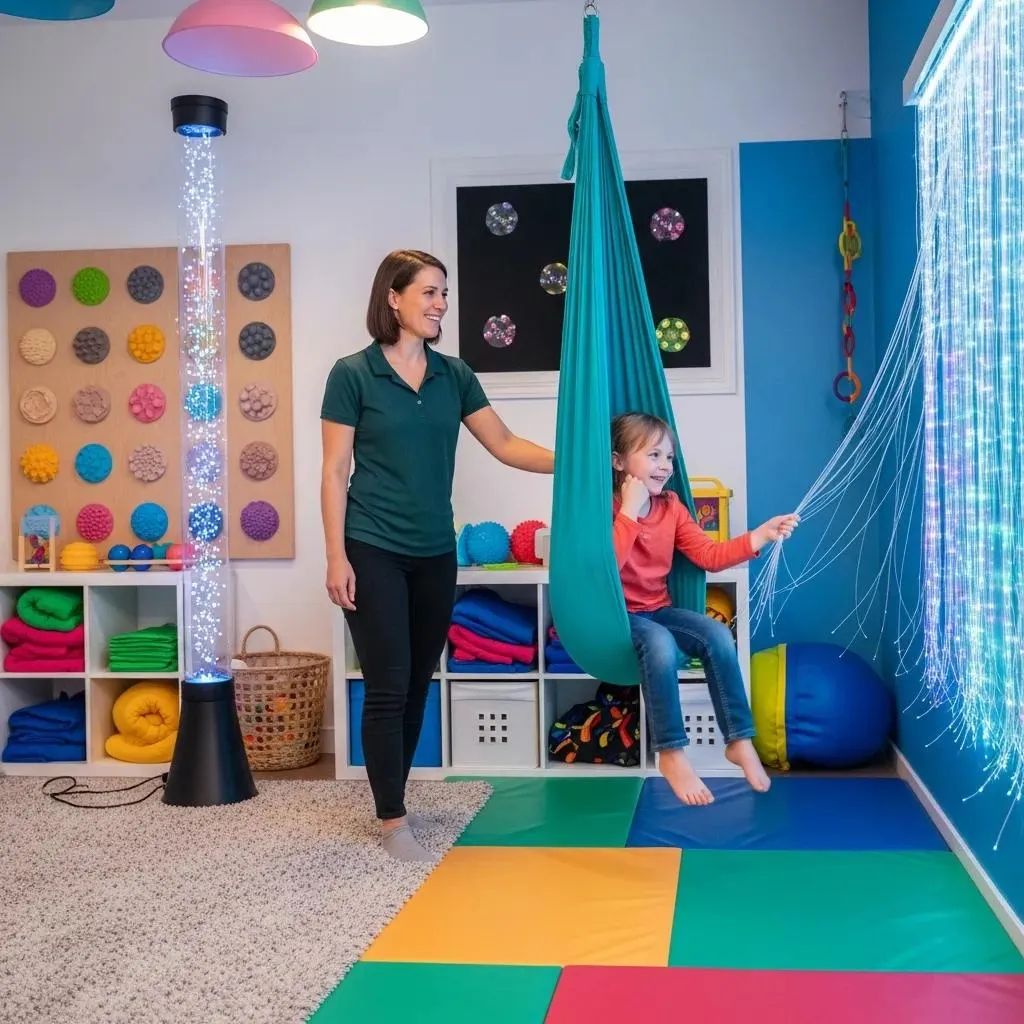

Choosing the right therapy can feel overwhelming for many families. Both DIRFloortime and ABA are well-known methods for supporting children with diverse developmental needs. Each approach has strengths, and both can play an important role as parents explore play-based therapy and ABA options in Tampa, Brandon, or Ruskin.
DIRFloortime is a research-supported, child-led model that began as an autism therapy but is now used for many challenges, including speech, fine motor, sensory, handwriting, and social skills. Children usually enjoy this approach because it uses play, fundamental interactions, and emotional connection to build strong learning foundations. Parents often tell us it fits naturally into home life, strengthens relationships, and can cost less because every therapy plan is individualized and based on the child’s natural interests.
ABA focuses on measurable behavior changes and uses structured steps to teach new skills. Many children benefit from its clear routines, predictable lessons, and focus on practicing behaviors that support daily success. While some ABA programs use drills or predefined plans, deciding between play-based therapy and ABA depends on each child’s needs—and in some cases, a thoughtful mix of both approaches can be the most helpful path forward.
Key Takeaways
- Assess your child’s specific needs to determine whether behavior-focused skills or emotional expression support is required for effective therapy.
- Consider integrating both ABA and play therapy to address different developmental aspects and enhance overall therapeutic outcomes.
- Explore local Tampa therapy centers that specialize in ABA or play therapy, ensuring they use evidence-based practices and provide suitable environments.
- Engage in community support groups and resources for parents to gain insights and connect with others navigating similar therapy choices.
- Evaluate the potential for improvement in social skills and emotional regulation when selecting a therapeutic approach for your child’s unique profile.
Comparing Structured ABA and Child-Led DIRFloortime
Choosing between DIRFloortime and ABA can feel confusing for many parents. Both methods help children grow, but in different ways. When families search for occupational therapy near me, they often want to understand how these approaches feel in real life.
ABA uses clear steps, routines, and rewards to teach new skills. Therapists break goals into small parts and practice them until the child can perform them independently. This structured approach can work well for children who enjoy predictable patterns and learn best with repeated practice.
DIRFloortime takes a different path by following the child’s interests. Instead of working through drills, therapists join the child’s play and use natural moments to build communication, motor skills, and emotional awareness. Many families like that this approach feels warm, flexible, and easy to blend into everyday life.
Both approaches can help children, and neither is “better” for every situation. What matters most is choosing the method that matches your child’s personality, learning style, and goals. A thoughtful mix of both—structured learning and playful connection—can sometimes create the most substantial progress.
Exploring Play Therapy: Concepts and Techniques
Understanding the diverse therapeutic options available to children is crucial for parents aiming to support their developmental needs. Play therapy offers a child-centered approach in which qualified therapists use play as a medium for affective expression and exploration. By leveraging children’s natural propensity for play, this method creates a safe space for them to confront challenging emotions.
Techniques vary, including directive approaches in which therapists guide activities and non-directive methods that enable children to choose their play. Tools such as puppets, sand trays, and role-playing cultivate affective understanding and social skills, making them valuable pediatric therapy options in Brandon.
Additionally, play therapy is particularly effective for children with unique neurological profiles, providing tailored strategies that honor their individual differences. Moreover, the DIR/Floortime model emphasizes emotional bonds that can significantly enhance the therapeutic experience. This approach enhances social engagement and emotional connection, making it a compelling alternative when considering child-led therapy vs ABA for their child’s distinct needs.
Comparing ABA and Play Therapy: Core Differences

Therapeutic choices for children often span a spectrum of approaches, each with distinctive characteristics and goals. Applied Behavior Analysis (ABA) is a highly structured, therapist-guided method focused on skill acquisition and behavior modification through positive reinforcement. Its techniques rely on data-driven progress monitoring.
In contrast, play therapy adopts a child-centered, flexible approach that emphasizes emotional expression and social development through play. This modality allows children to lead interactions in a supportive environment. While ABA suits children needing consistent skill development, play therapy is ideal for those facing emotional challenges, such as trauma or anxiety.
Both therapies can be complementary, supporting different aspects of a child’s growth and wellbeing depending on their individual needs. Research supports the effectiveness of both treatments in enhancing the development of children with autism through targeted therapeutic approaches. Additionally, the multidisciplinary approach employed by various providers in the Tampa Bay area can further enrich the therapeutic experience by integrating multiple methods tailored to each child’s unique requirements.
Moreover, incorporating integrated therapy approaches can facilitate better communication skills and emotional regulation for children with autism.
Identifying Your Child’s Needs: Which Therapy Is Right?
When determining the appropriate therapy for a child, it is crucial to assess both their behavioral skill development and psychological support needs. Understanding these core areas can help caregivers make informed decisions tailored to the child’s distinct challenges and strengths. By evaluating personal needs, families can better navigate the decision between play-based therapy and ABA interventions for better outcomes.
Additionally, a thorough needs assessment is essential to identify if the child has Care and Support needs that may influence the choice of therapy. Recognizing the child’s unique strengths and challenges can further enhance the effectiveness of the chosen therapeutic approach. Implementing sensory integration therapy can also provide valuable support for improving sensory processing capabilities.
Behavioral Skill Development
Selecting the right therapy starts with knowing how your child learns and grows. In recent years, many families and professionals have moved toward child-led, play-based approaches because research shows children often learn more deeply when they feel connected and engaged. This shift fits well with DIRFloortime, which uses play and relationships to build real, meaningful learning moments.
DIRFloortime helps children build communication, emotional understanding, and motor skills by following their natural interests. Children stay motivated because they lead the play, and the therapist joins in to support new skills in a warm, real-life way. Many families like that this flexible style blends easily into home routines and strengthens the bond between the child and the people they trust most.
ABA still plays an important role, especially for families seeking clear steps, measurable progress, and predictable learning routines. Early ABA programs have shown strong results in building adaptive behaviors and communication skills, and many children do well with structured teaching. Parents now often compare the structure of ABA with the flexibility of child-led, play-based therapy to find what best matches their child—and for some children, a thoughtful mix of both can create the strongest path forward.
Emotional Support Needs
Understanding a child’s emotional support needs is crucial in determining the most suitable therapeutic approach, particularly for those on the autism spectrum. Play-based therapies, such as DIRFloortime, create a nurturing environment where children can express feelings and reduce anxiety. Research highlights significant improvements in emotional regulation and social skills after just a few sessions, fostering resilience and enhancing emotional intelligence.
These interventions also promote parental involvement, strengthening bonds and improving family dynamics. Additionally, play therapy activates neural pathways essential to emotional and cognitive development, providing a framework for social engagement and the development of empathy. For children who demonstrate severe social withdrawal or communication challenges, play therapy may be especially beneficial, offering a framework for social engagement and the development of empathy.
Furthermore, DIRFloortime shows promising outcomes compared to traditional methods, reinforcing the importance of aligning therapy with a child’s emotional needs to impact overall wellbeing positively. Additionally, significant improvements in empathy and social skills can be observed after just 8eightsessions of CCPT, reinforcing its effectiveness.
Integrating Approaches: Benefits of Combining Therapies

Integrating play-based therapy with Applied Behavior Analysis (ABA) can significantly improve therapeutic outcomes for children with autism spectrum disorder (ASD). This combined approach allows for a more thorough development strategy, offering several key benefits:
- Improved skill acquisition, enhancing communication by 65% and adaptive behaviors by 72%.
- Better generalization of skills, enabling children to use learned behaviors in different settings. This integration facilitates the natural learning of skills during play, making them applicable in real-life scenarios.
- Affective and social development, fostering better interactions with peers and reducing anxiety.
- Holistic outcomes, addressing both behavioral and affective needs for long-term psychological health.
Resources for Tampa Parents: Finding the Right Support
Tampa parents seeking the proper support for their children with autism have access to a wide array of resources, including tailored therapy centers and community support groups. Local organizations provide essential services, ranging from evidence-based treatment approaches to workshops that enable families. Furthermore, online resource portals offer valuable information and connections to help parents navigate their options and ensure the best outcomes for their children.
Evidence-Based Practices ensure that therapies address core symptoms and relevant life skills through tailored evaluations, fostering measurable improvements in communication and social integration.
How to Find Quality Therapy Support Near You
Finding the right therapy for your child can feel overwhelming, especially with many options available. Start by looking for local providers who specialize in evidence-based approaches like DIRFloortime and ABA and who customize plans to fit your child’s unique needs. It’s important to ask questions about how therapists work with children and families, the flexibility of their programs, and whether they encourage parent involvement.
Insurance coverage and affordability are key factors to consider when exploring therapy options near you. Many clinics accept insurance or offer payment plans, so be sure to check what financial support is available. Connecting with local parenting groups or your pediatrician can also help you find trusted therapists who focus on developmental goals important to your family.
Here’s a simple table to help you evaluate potential therapy providers in your area:
| What to Look For in a Therapy Provider | Why It Matters |
|---|---|
| Uses child-led, play-based therapy like DIRFloortime | Supports natural learning and emotional growth |
| Offers structured ABA programs with clear goals | Provides measurable progress and skill-building |
| Customizes therapy to your child’s needs | Ensures the best fit for your child’s personality and challenges |
| Encourages parent involvement | Helps carry learning into everyday life |
| Accepts your insurance or has affordable options | Makes therapy accessible and sustainable |
Taking the time to research and ask these questions will help you feel confident choosing a therapy program that supports your child’s growth, development, and happiness.
The Value of Community Support Groups
Finding the proper support while raising a child with autism can be much easier with the help of community support groups. Many areas have regular gatherings where families and caregivers come together to discuss topics such as sensory integration, social skills, and various therapy options. These meetings often include expert speakers and opportunities for parents to share experiences and advice.
Some groups focus on specific needs or demographics, such as teenagers or military families, creating safe spaces for open, inclusive conversations. Community support networks provide valuable connections, resources, and emotional support, helping families feel less isolated. Being part of these groups can empower caregivers with knowledge and encouragement as they navigate the challenges and joys of supporting their children.
Online Resource Portals for Therapy Support
Reliable online resources can empower parents to better support their children’s development from home. Many platforms offer educational materials, training, and tools for both ABA and play-based therapies, such as DIRFloortime. Exploring these options helps families make informed decisions and actively participate in their child’s growth.
- DIRFloortime® Online Training and Resources: The official DIRFloortime organization offers online courses, parent guides, and community support to help caregivers learn child-led, relationship-based therapy techniques.
- Online ABA Programs: These offer strategies and tutorials to manage behavior and teach skills independently.
- Autism Speaks 100 Day Kits: Practical guides for families following a new autism diagnosis, including resources on various therapy approaches.
- Webinars and Workshops: Many organizations provide accessible sessions covering both play-based and ABA methods to help parents understand their options.
- Center for Autism and Related Disabilities (CARD): A statewide network offering tailored support and resources to families navigating therapy decisions.
Using a mix of these online tools ensures parents stay informed, supported, and empowered as they help their children thrive.
Frequently Asked Questions
Looking at Play-Based Therapy and ABA, which would better fit my child’s learning style?
Play-based therapy focuses on connection and child-led engagement, while ABA offers structured teaching, observation sessions, and goal discussion to help parents decide which approach is best.
How can I tell which approach will help them make real progress?
Parents can observe how their child responds to play versus structure; children who thrive on emotional connection may prefer play-based therapy, while those who benefit from predictable routines may do well with ABA.
How Do I Find Qualified Therapists in Tampa for Each Therapy Type?
Like a compass guiding a traveler, qualified therapists in Tampa can be found through online directories, referrals from healthcare providers, or professional organizations. Contact the various providers and ask questions.
What Are the Costs Associated With ABA and Play Therapy in Tampa?
In Tampa, ABA therapy costs range from $50 to $250 per hour, while play therapy costs $80 to $150 per hour. Families often manage these costs through insurance or financial assistance programs, ensuring their children have accessible support.
How Long Does Each Therapy Typically Last for a Child?
Typically, play-based therapy sessions span 45-60 minutes and continue for several weeks to months. Children often show progress after 12-16 sessions, while therapy’s duration closely aligns with personal needs and parental engagement levels.
Are There Any Specific Age Recommendations for Starting These Therapies?
ABA therapy is recommended to start between ages 2 and 6, ideally before age 4, while play-based treatment typically begins at ages 2 to 5. Both focus on enhancing developmental skills through targeted interventions.
How Can I Involve My Child in the Therapy Decision-Making Process?
To involve a child in therapy decision-making, parents can use visual supports, offer choice-making opportunities, and provide positive reinforcement. These strategies foster autonomy, improve motivation, and develop critical self-advocacy skills in a supportive environment.
Conclusion
A child-led, playful therapy session often feels like stepping into the child’s world. The therapist follows the child’s interests, joins their play, and uses those moments to build communication, motor skills, and emotional growth. Children stay engaged because the session feels fun, natural, and centered around who they are—not what they “should” do.
An ABA session usually follows a structured plan with clear steps and defined goals. Therapists may use repeated practice, routines, or rewards to help a child learn new behaviors or daily skills. Many children respond well to this predictable structure, and it can be helpful when families want measurable, step-by-step progress.
At Skill Point Therapy, we use the DIRFloortime approach because we believe children learn best when they feel connected, understood, and free to explore. Every child is different, and Skill Point Therapy wants you to make the best choice based on your child’s needs and your family’s values. Contact Skill Point Therapy today to learn how a child-led, playful therapy model may support your child’s growth, confidence, and everyday success.
References
- https://autismcenterforkids.com/aba-vs-play-therapy/
- https://eagleswill.com/aba-therapy-vs-play-therapy-key-differences-explained/
- https://www.intellistarsaba.com/blog/what-is-play-therapy-for-autism
- https://pmc.ncbi.nlm.nih.gov/articles/PMC9850869/
- https://wellspringlearningcenters.com/aba-vs-other-autism-therapies/
- https://www.apexaba.com/blog/aba-therapy-and-play-based-learning
- https://www.discoveryaba.com/aba-therapy/aba-therapy-and-play-therapy
- https://anybehavior.com/custom-aba-therapy-vs-standard-programs/
- https://www.alpacahealth.io/provider-resources/seven-dimensions-applied-behavior-analysis
- https://www.autismparentingmagazine.com/aba-principles/